
Practical help for building a better enclosure.
Species guides, equipment explanations and simple answers about custom backdrops, hides and habitat features. Start with whatever question you are trying to solve.
Guide library
Find the right guide in seconds.
107 guides
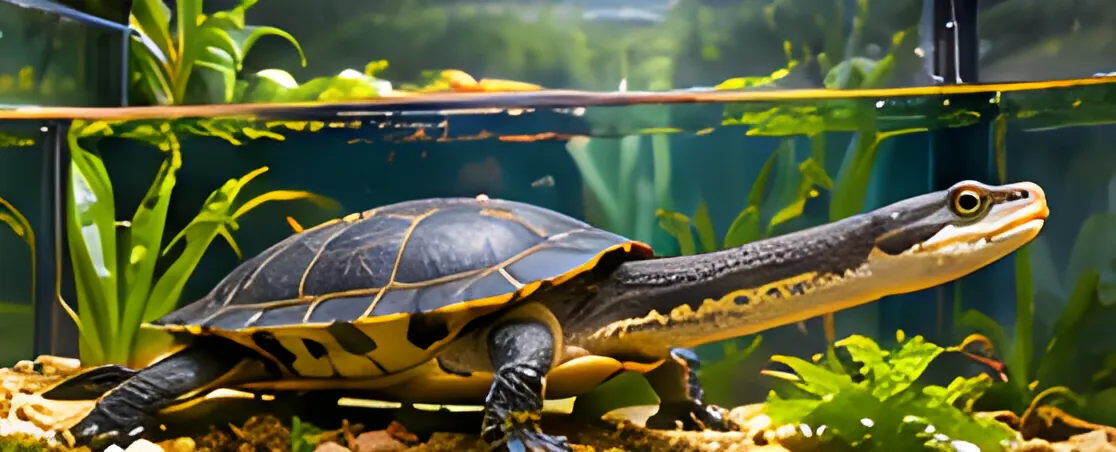 Eastern Long-Necked Turtle Tank Setup in AustraliaSet up a tank for an eastern long-necked turtle in Australia — adult tank size, water depth and temperature, filtration, a dry basking dock, UVB and diet.
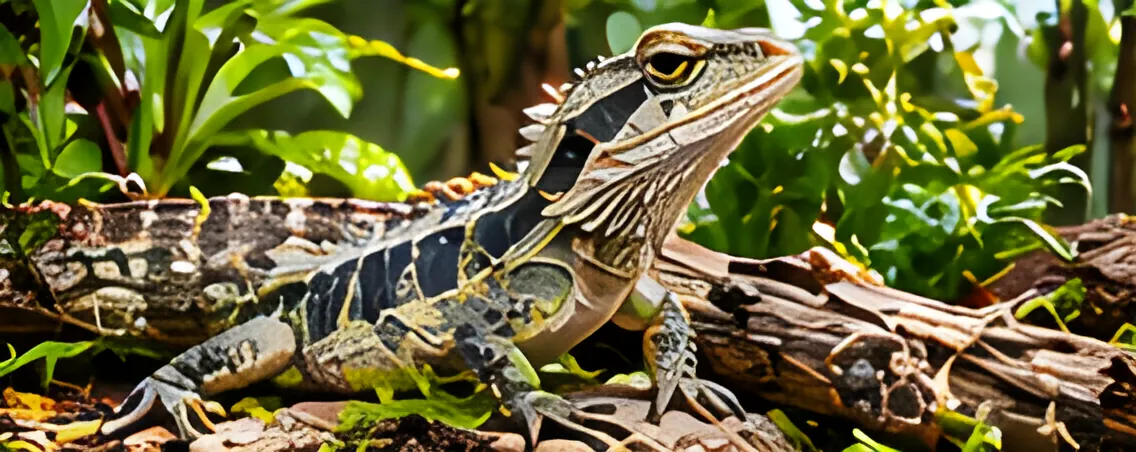 Eastern Water Dragon Enclosure Setup in AustraliaHow to set up an eastern water dragon enclosure in Australia — adult size, basking and cool-end temperatures, UVB, a proper water area, humidity and climbing.
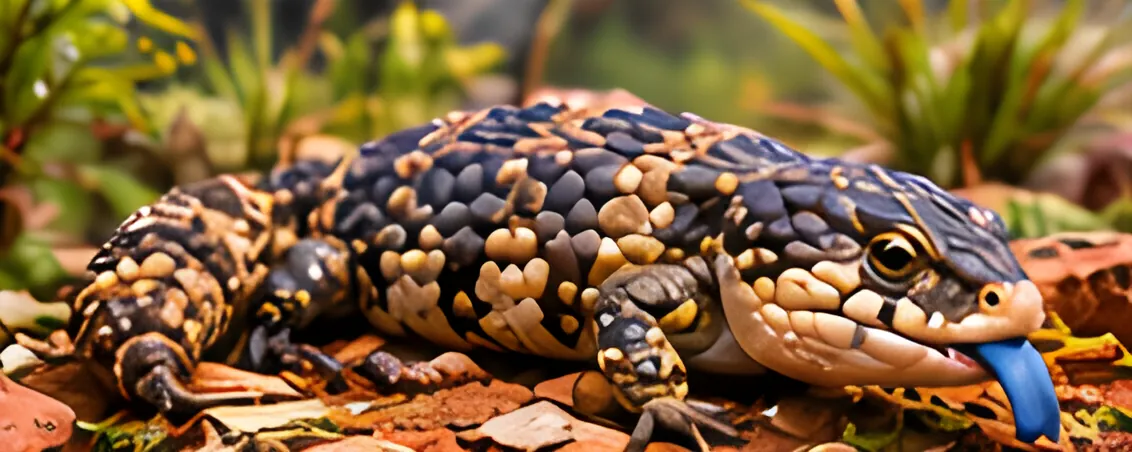 Shingleback Lizard Enclosure Setup in AustraliaSet up a shingleback (sleepy lizard) enclosure in Australia — adult size, basking temperatures, low humidity, substrate for burrowing and a mostly plant-based diet.
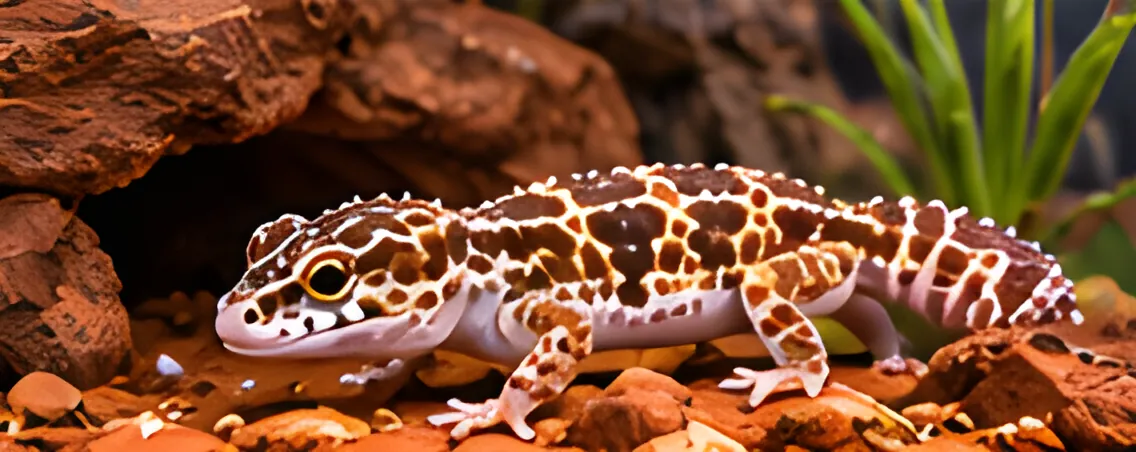 Thick-Tailed Gecko Enclosure Setup in AustraliaSet up a thick-tailed (barking) gecko enclosure in Australia — size, a warm floor zone, night-time heat, humid hide, substrate, feeding and supplementation.
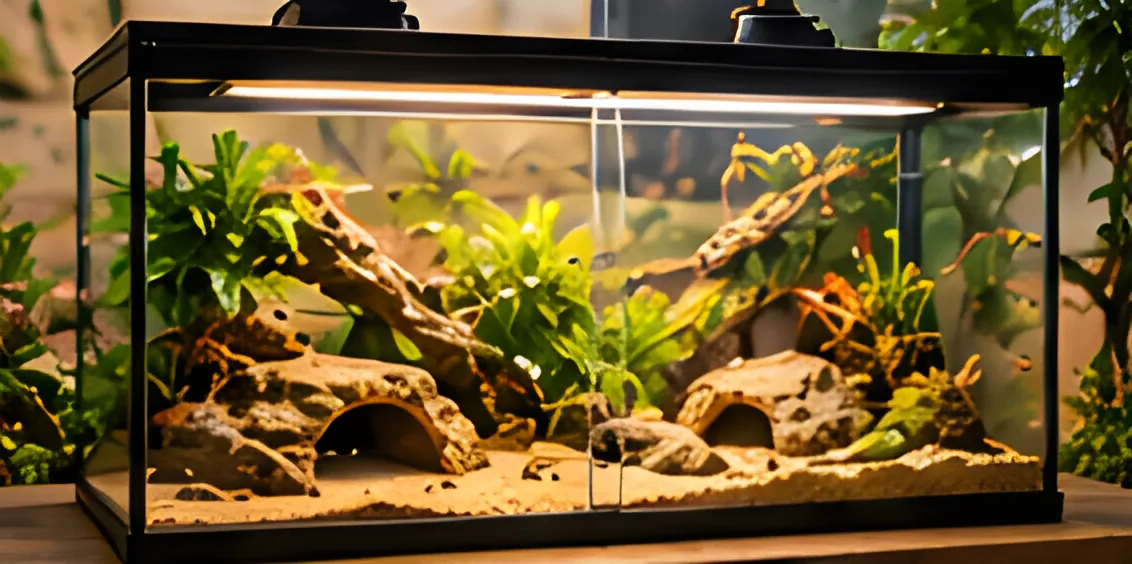 Best Reptile Enclosures in AustraliaCompare PVC, glass, melamine and custom reptile enclosures for Australian keepers — sizes by species, heat and humidity trade-offs, and what to check before you buy.
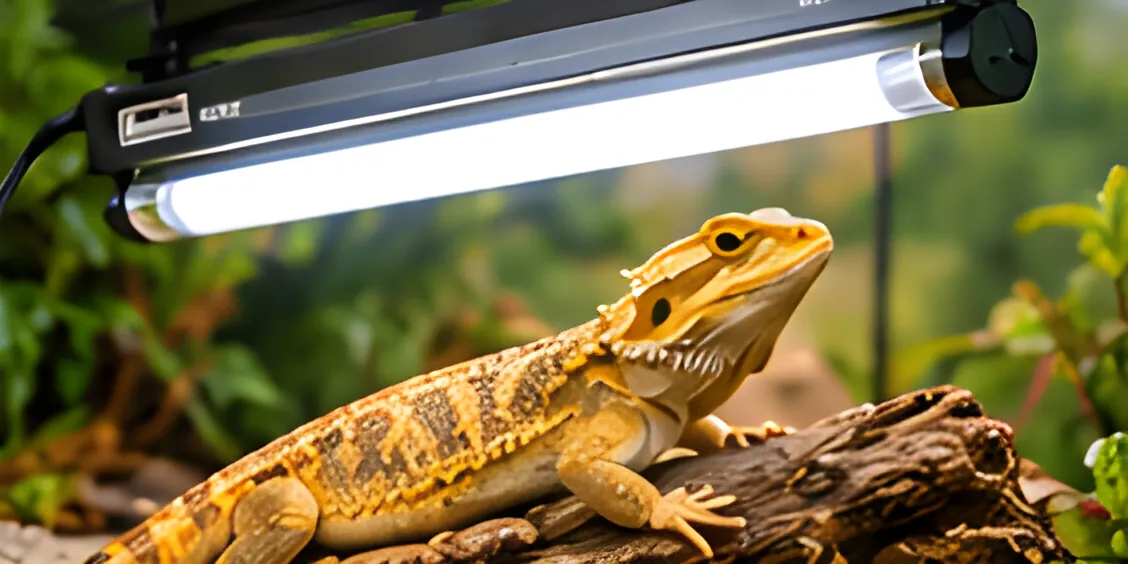 Best Reptile UVB Lights in AustraliaChoose the right UVB light for Australian reptiles: T5 HO vs compact bulbs, 5–7% vs 10–12% strength, Ferguson zones, mounting distance and when to replace.
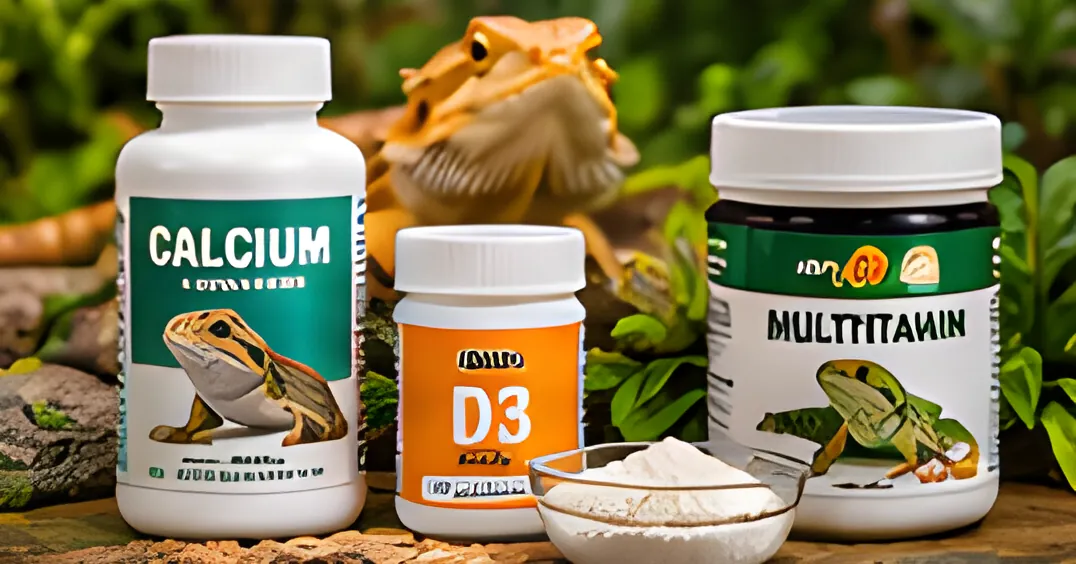 Reptile Calcium & Vitamin Supplements in AustraliaA plain-English guide to reptile calcium, D3 and multivitamin supplements for Australian keepers — what each one does, a simple dusting routine and common mistakes.
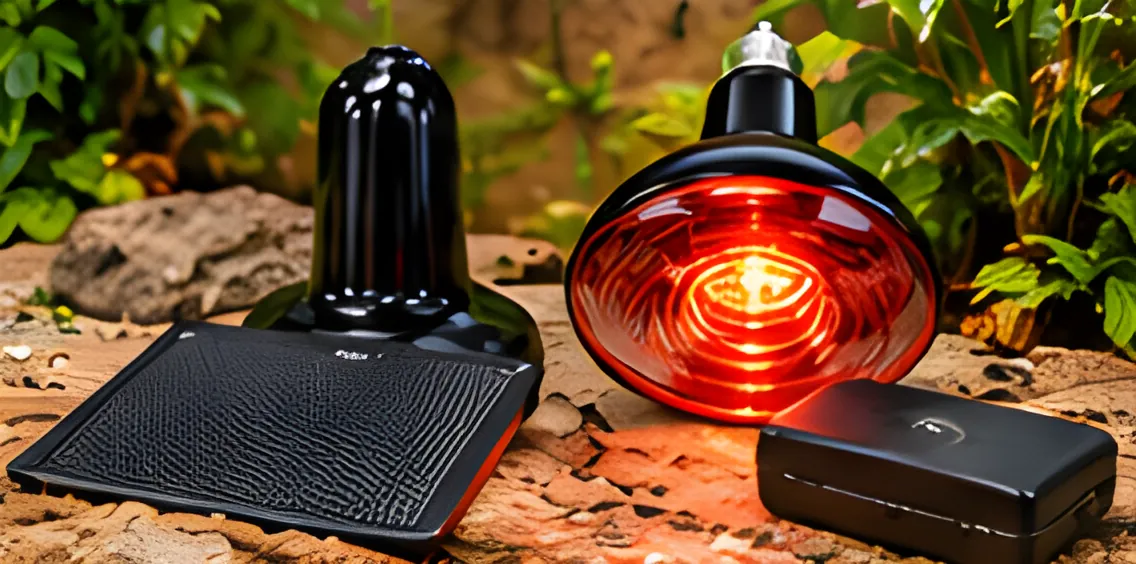 Reptile Heat Mats, Ceramic Heaters & Deep Heat Projectors in AustraliaHeat mats, ceramic heat emitters, deep heat projectors and basking globes compared for Australian reptiles — which heater suits which species, and how to run them safely.
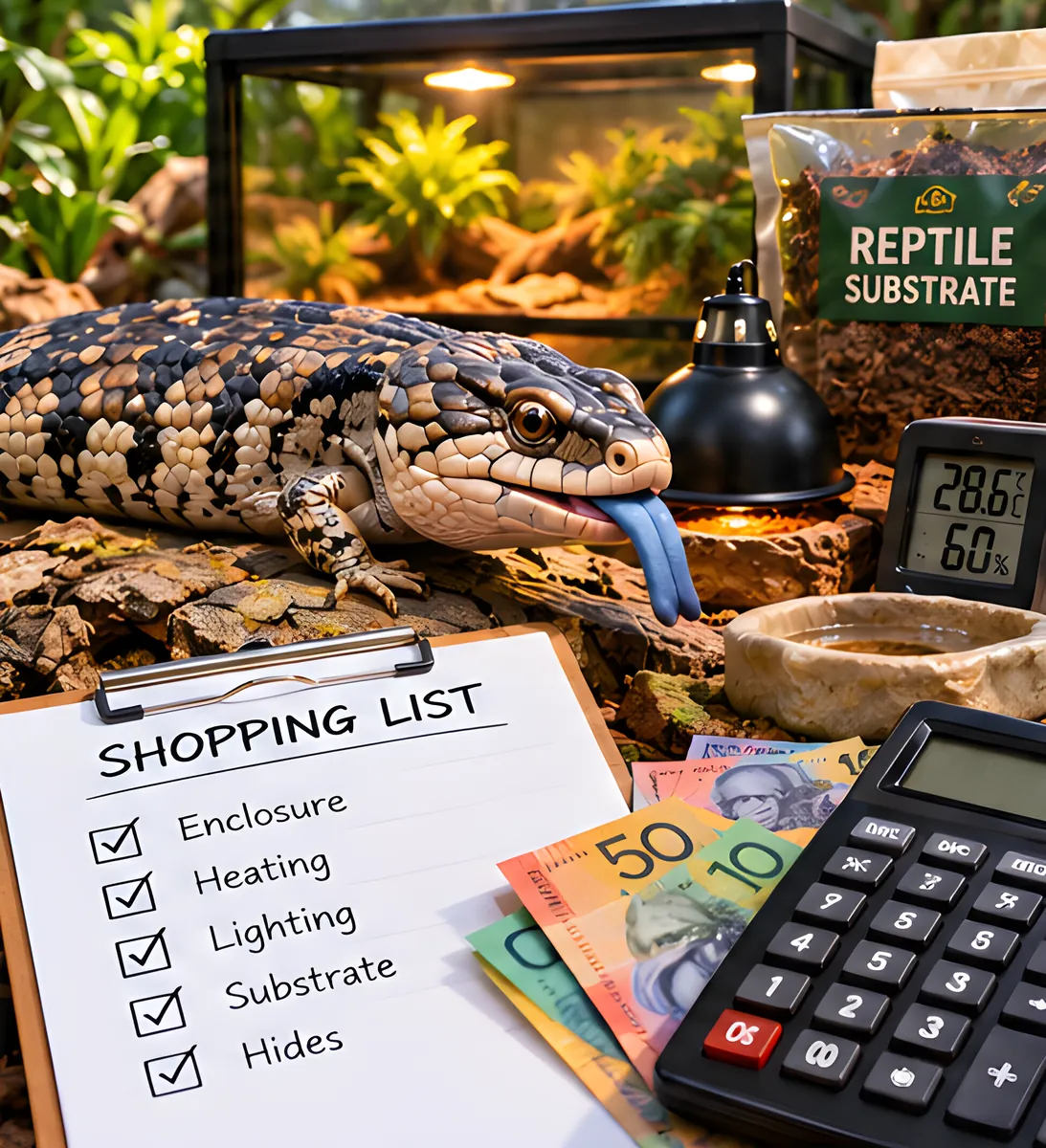 Blue-Tongue Lizard Shopping List & Setup Cost in AustraliaEverything you need for a blue-tongue lizard in Australia — a printable shopping list with 2026 price ranges, from enclosure and UVB to food, hides and supplements.
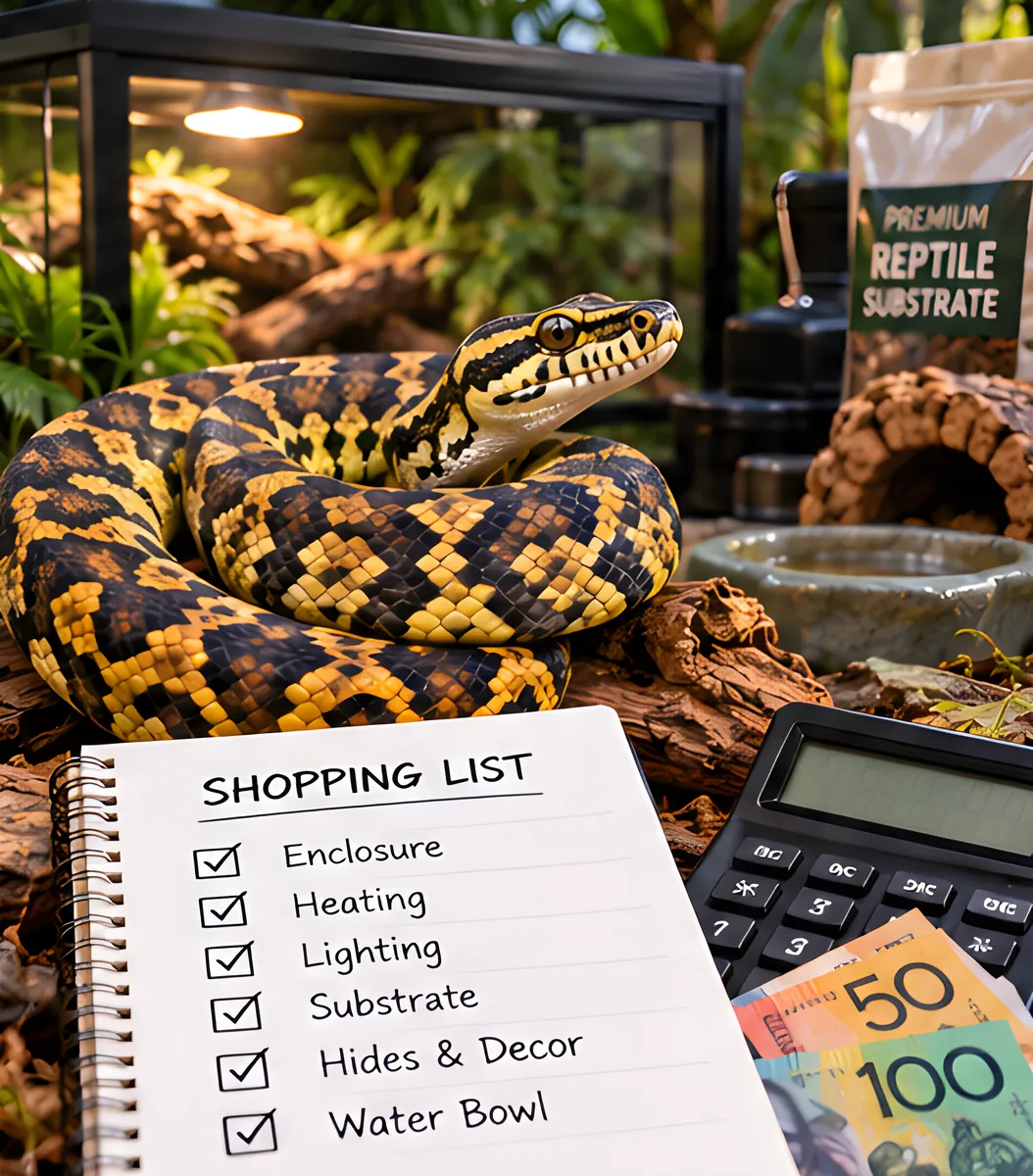 Carpet Python Setup Cost in AustraliaWhat a carpet python costs to set up in Australia in 2026 — tall enclosure, guarded heating, thermostat, hides, climbing branches, licence, food and running costs.
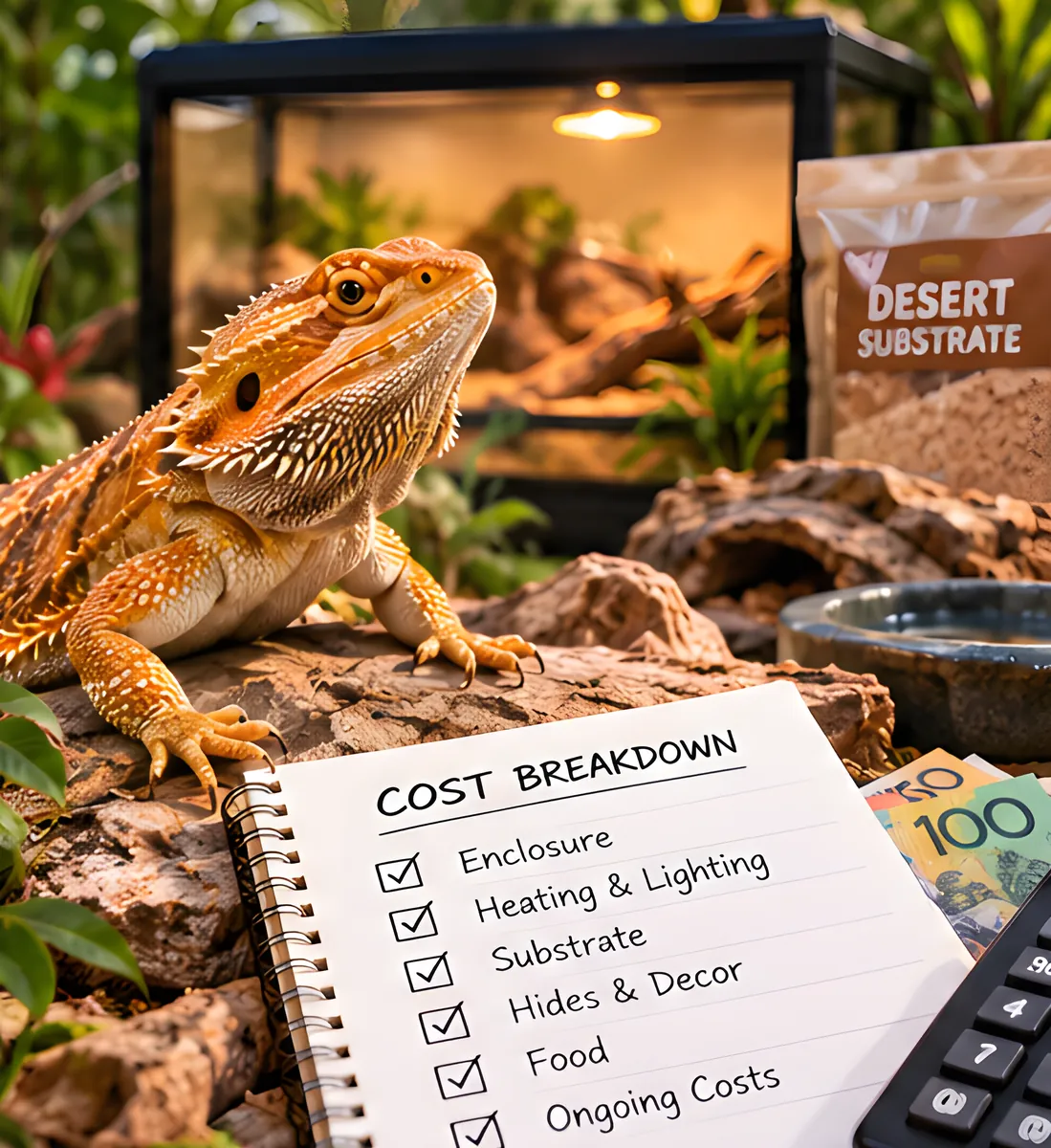 How Much Does a Bearded Dragon Cost in Australia?Real 2026 costs for a bearded dragon in Australia — the dragon, enclosure, UVB, heating, thermostat, decor, licence, vet checks and monthly running costs.
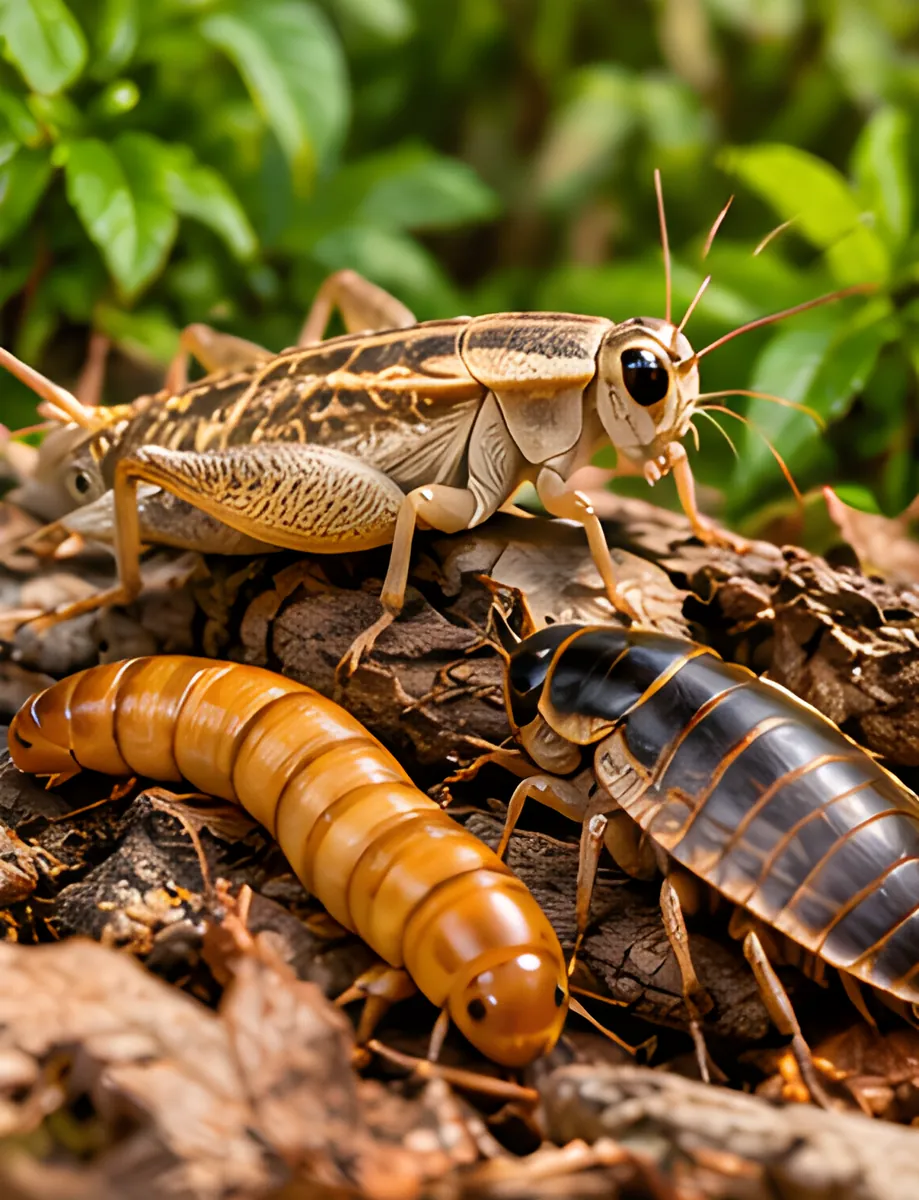 Feeder Insects in AustraliaCompare feeder insects available in Australia — crickets, wood roaches, black soldier fly larvae, mealworms, superworms and silkworms — plus gut-loading and dusting tips.
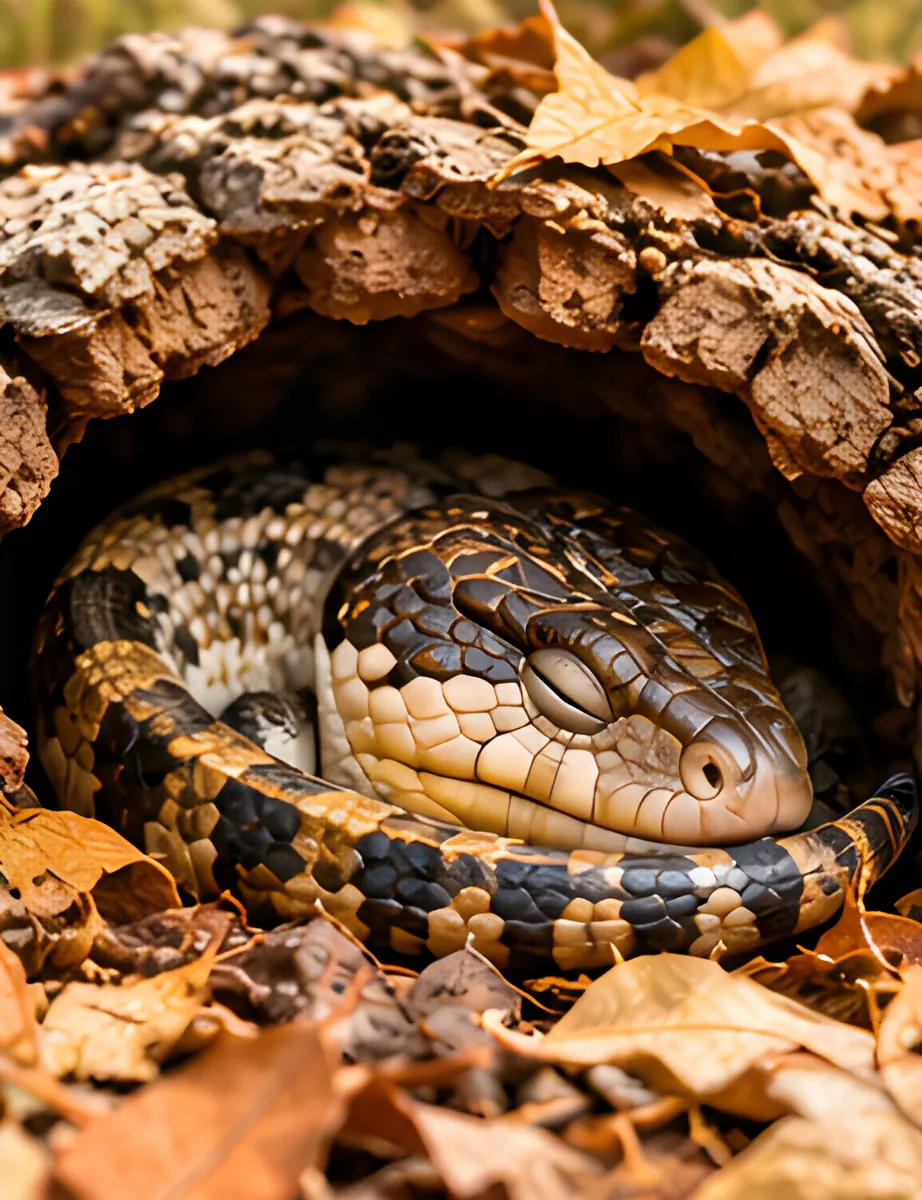 Reptile Brumation in AustraliaA plain-English guide to brumation for Australian reptile keepers — when it happens, normal signs, vet checks, water, lighting and when lethargy isn’t brumation.
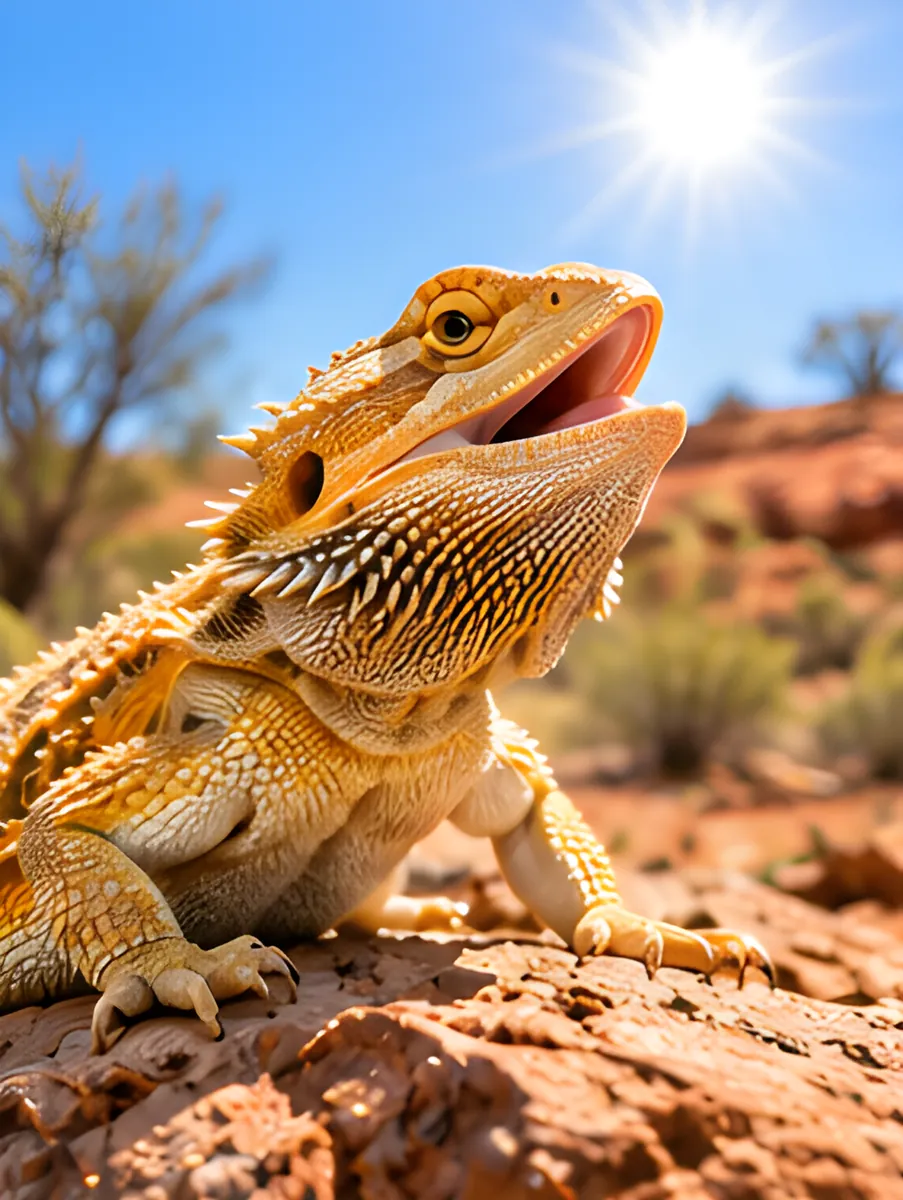 Reptile Heatwave Safety in AustraliaHow to protect reptiles during an Australian heatwave — overheating signs, safe cooling steps, enclosure placement, power-outage plans and when to call a vet.
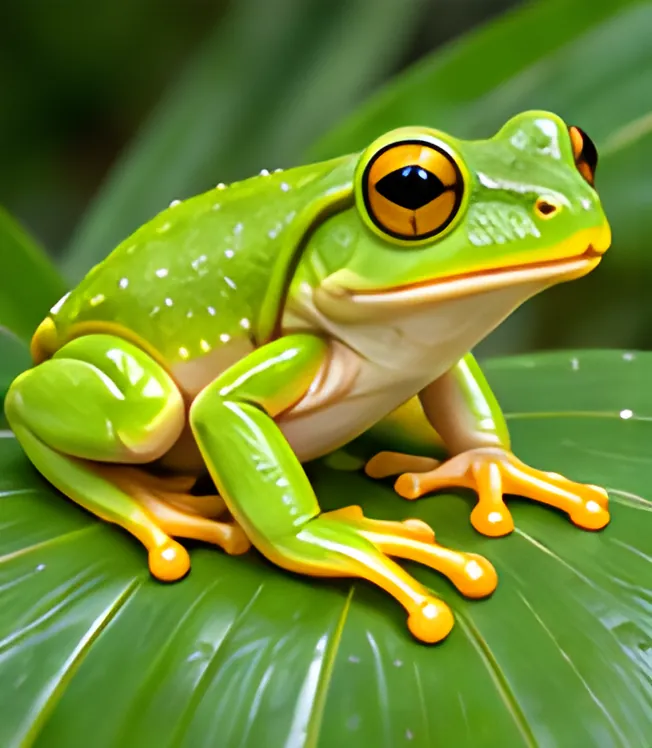 Australian green tree frogThe friendly green frog in your toilet or downpipe was the very first Australian frog ever named by European science.
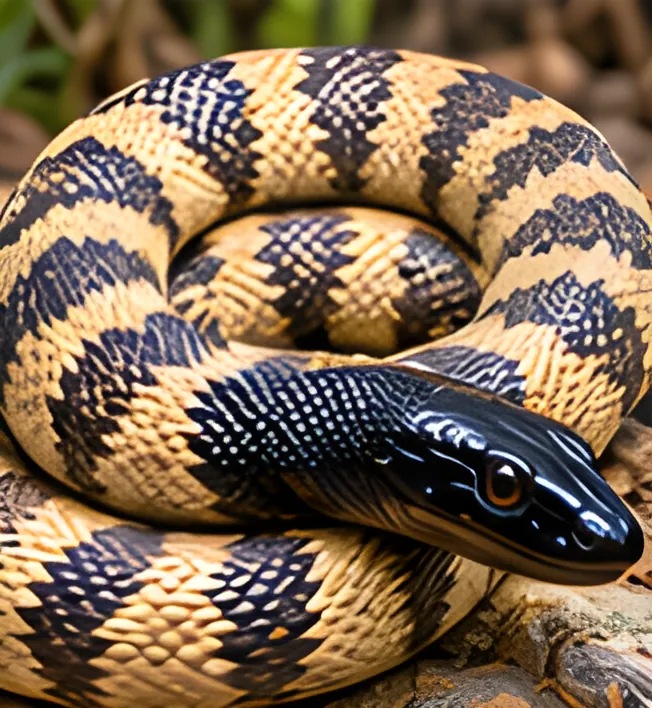 Black-headed pythonThe black-headed python warms up by poking just its jet-black head out of its burrow, like a living solar panel.
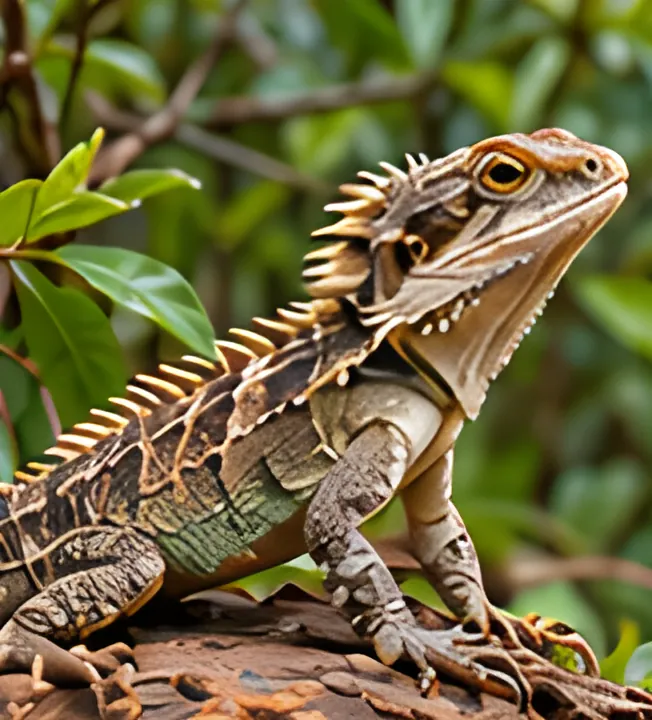 Boyd's forest dragonBoyd's forest dragon is a sun-shy dragon: instead of basking, it lets its body temperature drift with the cool rainforest air.
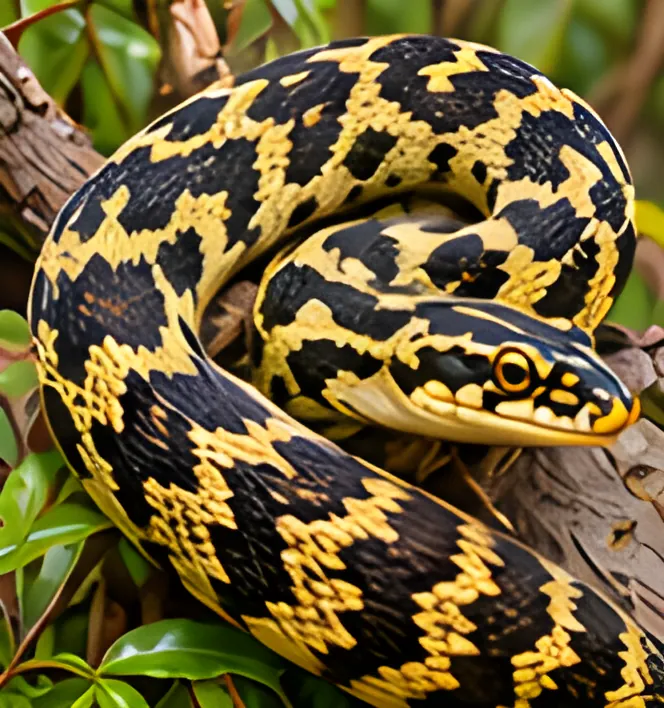 Carpet pythonFrom Sydney's diamond python to Queensland's yellow-and-black jungle carpet, this one species wears more outfits than any other Australian snake.
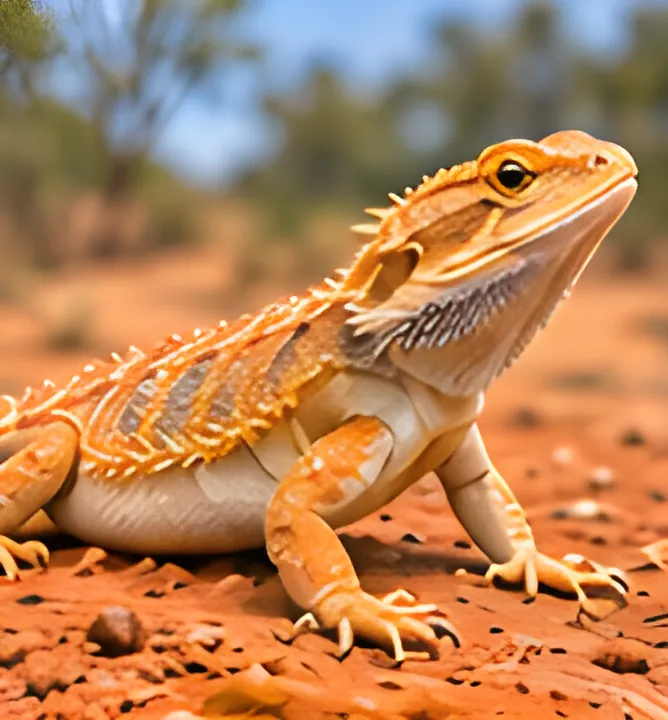 Central bearded dragonEvery pet bearded dragon outside Australia descends from animals that left the country illegally, because Australia banned the export of its native wildlife in the 1960s.
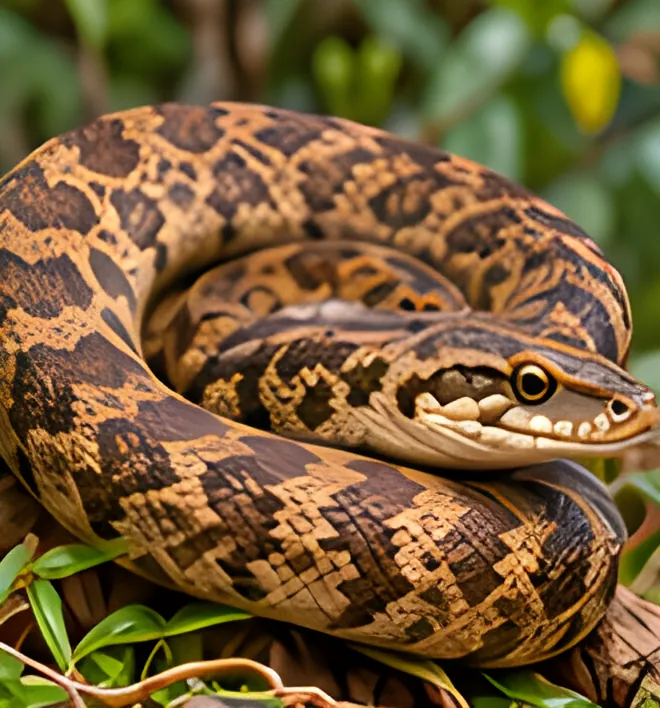 Children's pythonDespite its name, the Children's python has nothing to do with kids: it honours a 19th-century British Museum curator.
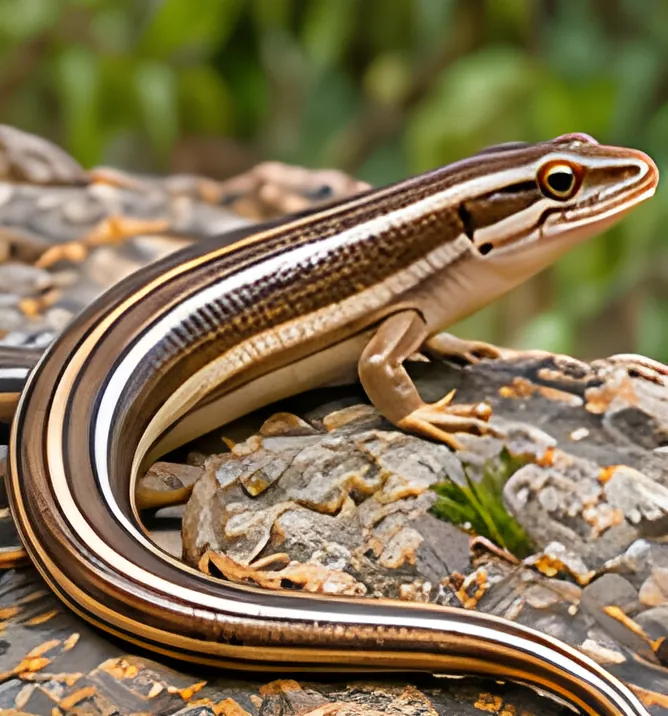 Cunningham's skinkA spiny, family-minded skink that wedges itself into a rock crack by puffing up with air, so predators can't pull it out.
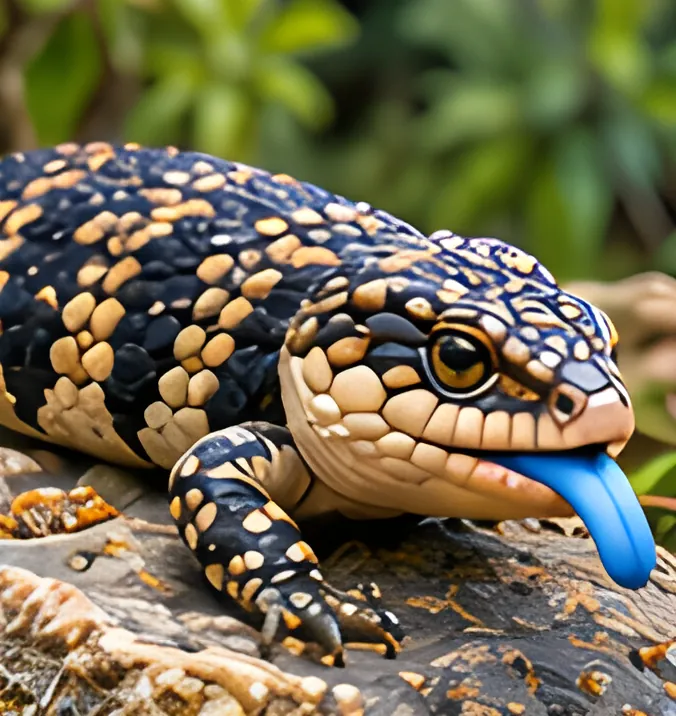 Eastern blue-tongueThe backyard lizard that bluffs its way out of trouble by flashing a startling cobalt-blue tongue.
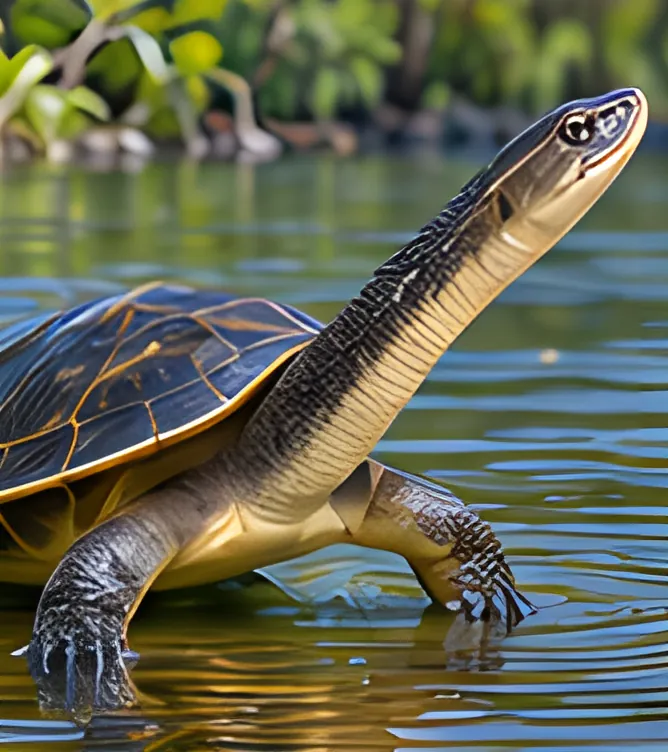 Eastern long-necked turtleGrab an eastern long-necked turtle and you'll find out why its nickname is 'stinker'.
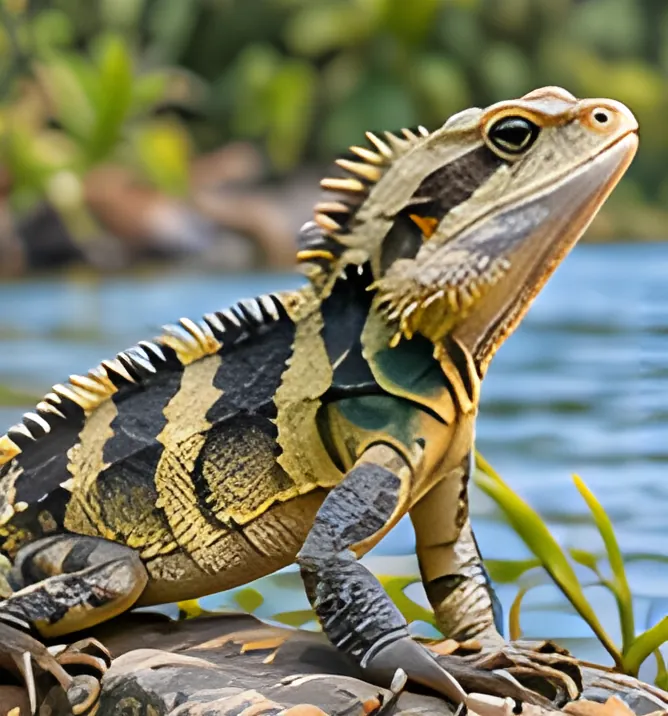 Eastern water dragonStartle an eastern water dragon and it will drop from its branch into the creek and wait out the danger on the bottom, holding its breath for half an hour or more.
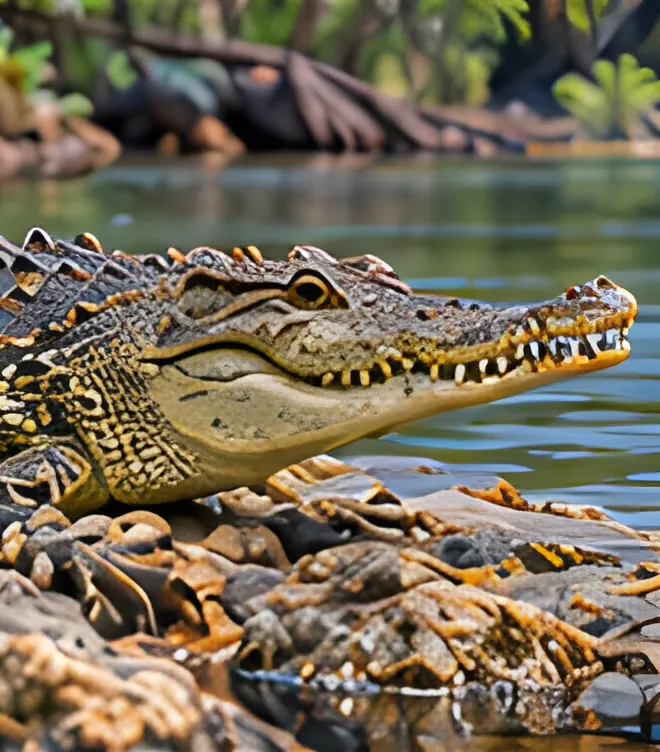 Freshwater crocodileFound nowhere else on Earth, the freshie is Australia's slender-snouted, fish-snapping crocodile.
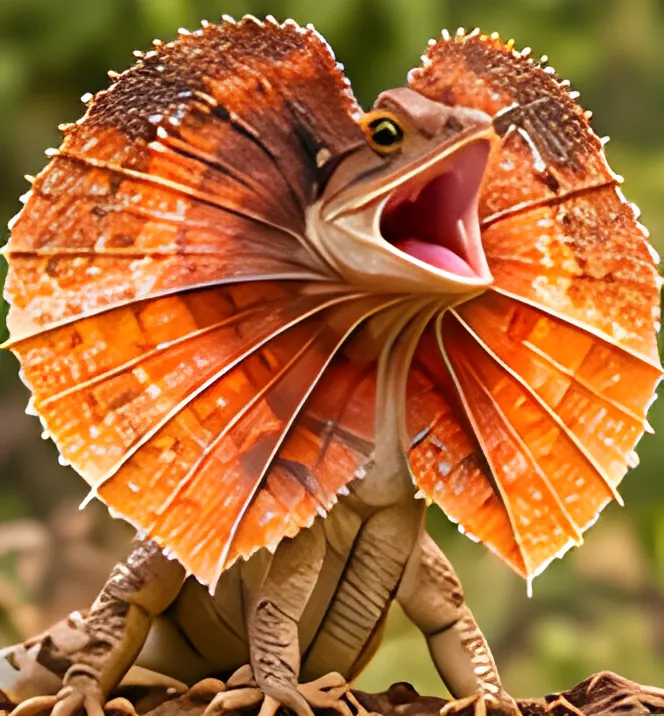 Frilled-neck lizardWhen cornered, the frilled-neck lizard flings open a cape of skin around its head, gapes, hisses and, if that fails, sprints away on its hind legs.
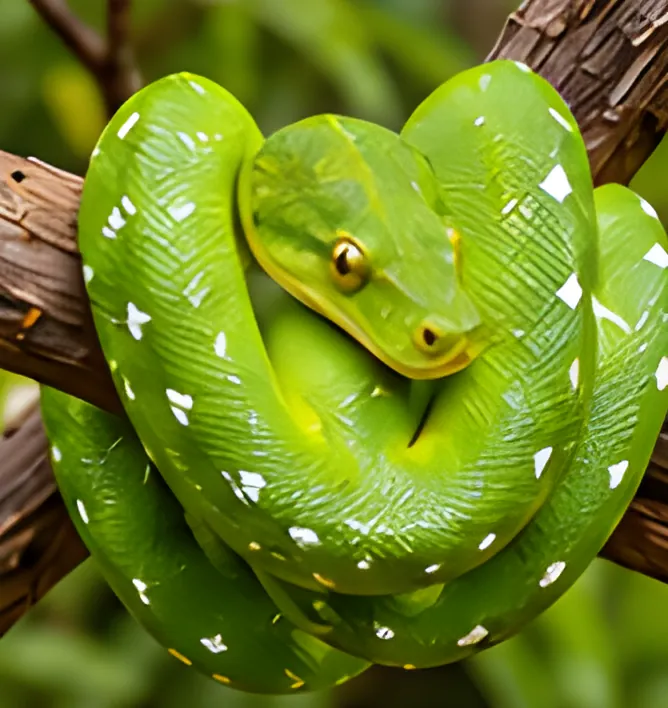 Green tree pythonAustralia's green tree pythons hatch bright yellow and turn emerald green in just a few days.
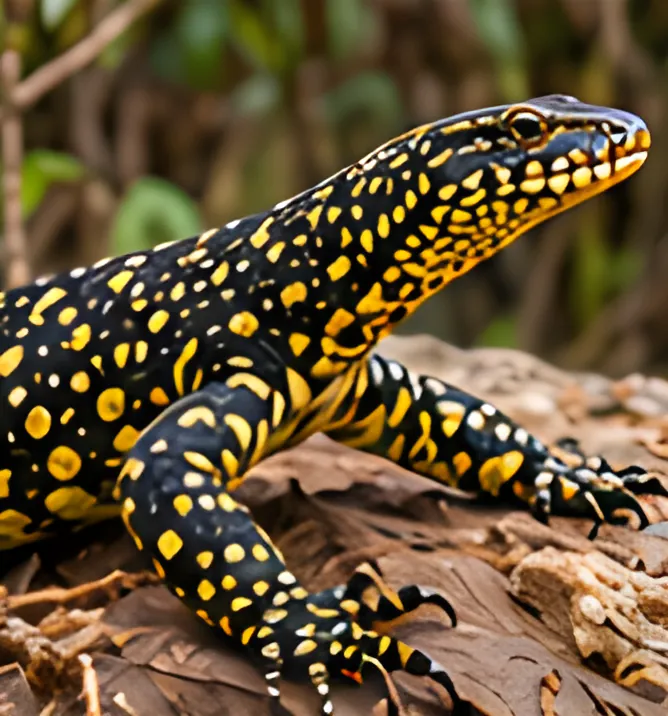 Lace monitorThe lace monitor lays its eggs inside active termite mounds, where they incubate right through winter.
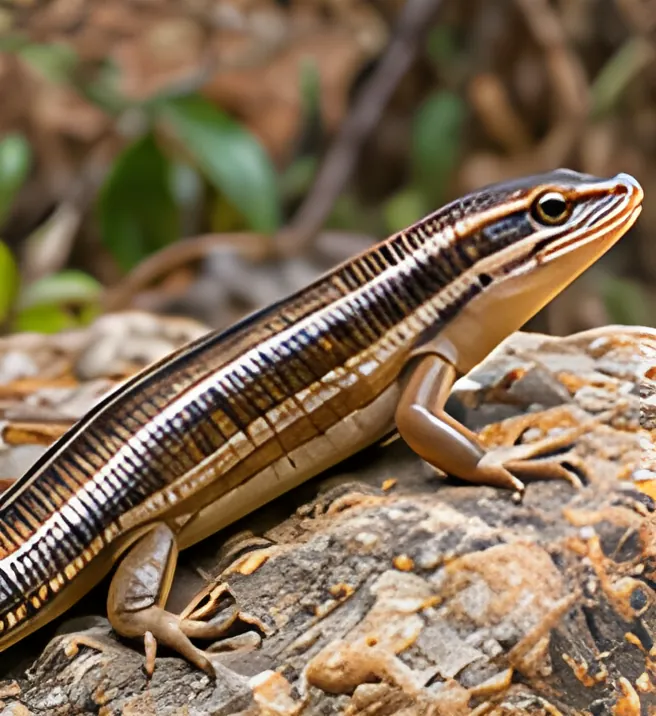 Land mulletOne of the world's biggest skinks, this glossy black rainforest lizard was named for its resemblance to a fish.
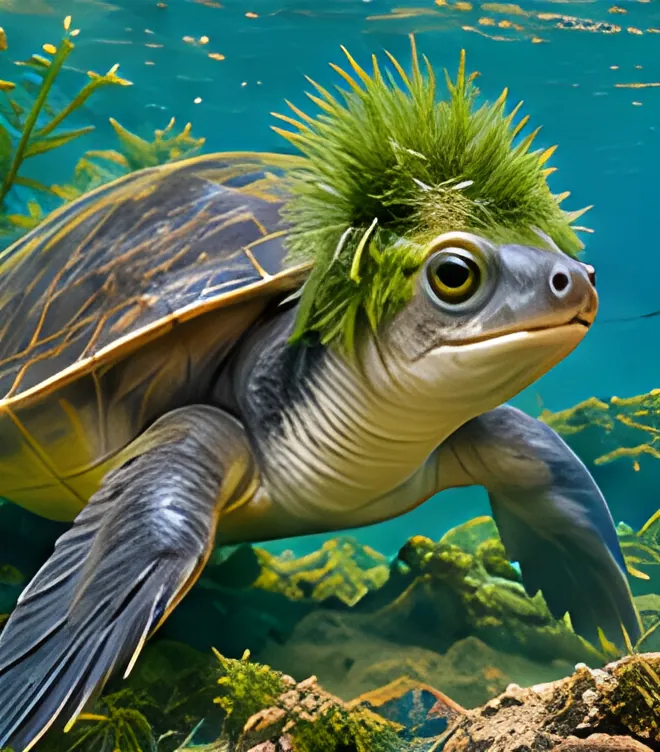 Mary River turtleAustralia's 'punk turtle' sports a green algae mohawk and can stay underwater for up to three days by breathing through its bottom.
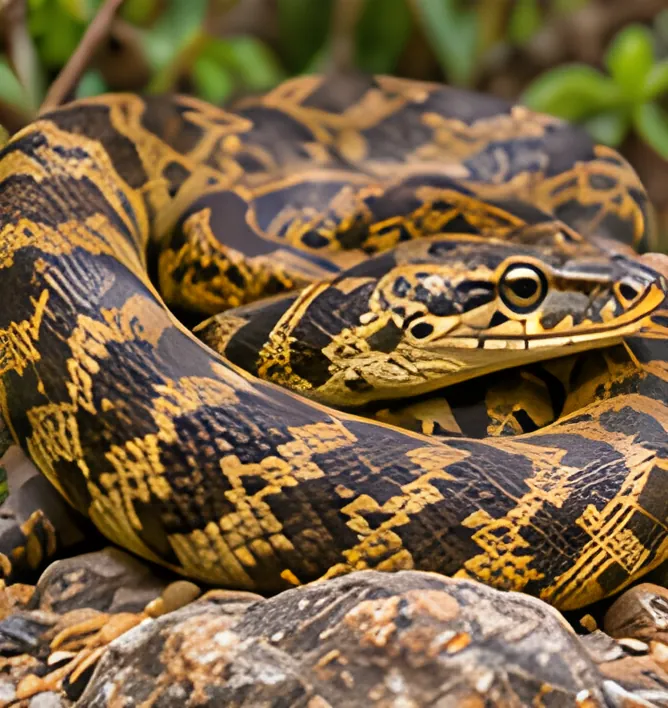 Oenpelli pythonOne of Australia's biggest pythons stayed hidden from Western science until 1977, tucked away in the sandstone country of western Arnhem Land.
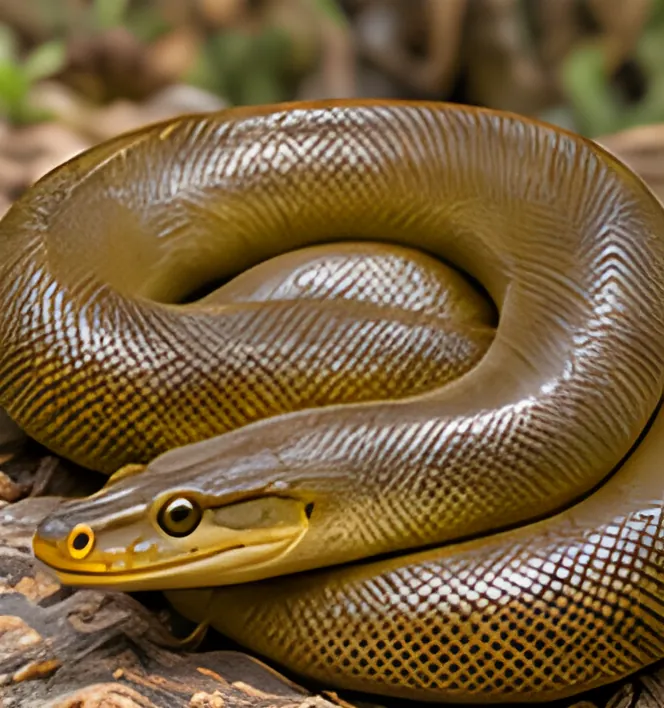 Olive pythonAustralia's second-longest snake has been photographed swallowing a freshwater crocodile whole.
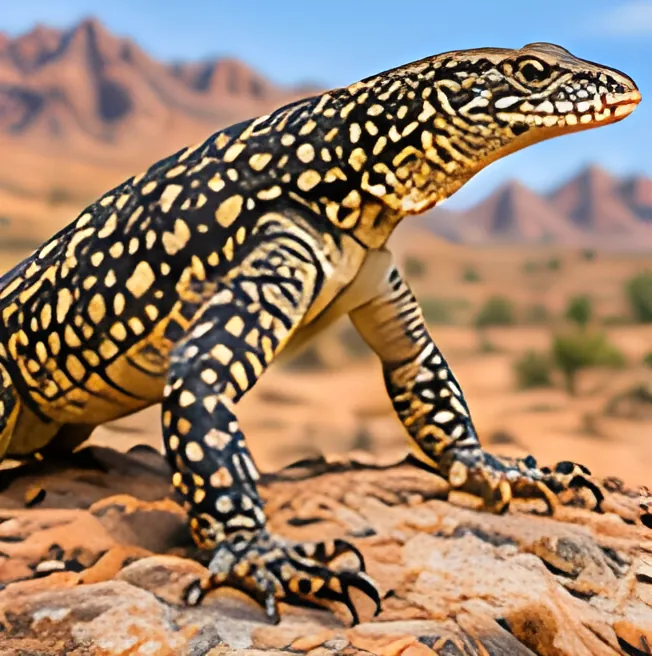 PerentieThe perentie is Australia's largest lizard, a desert goanna that can grow longer than 2.5 metres.
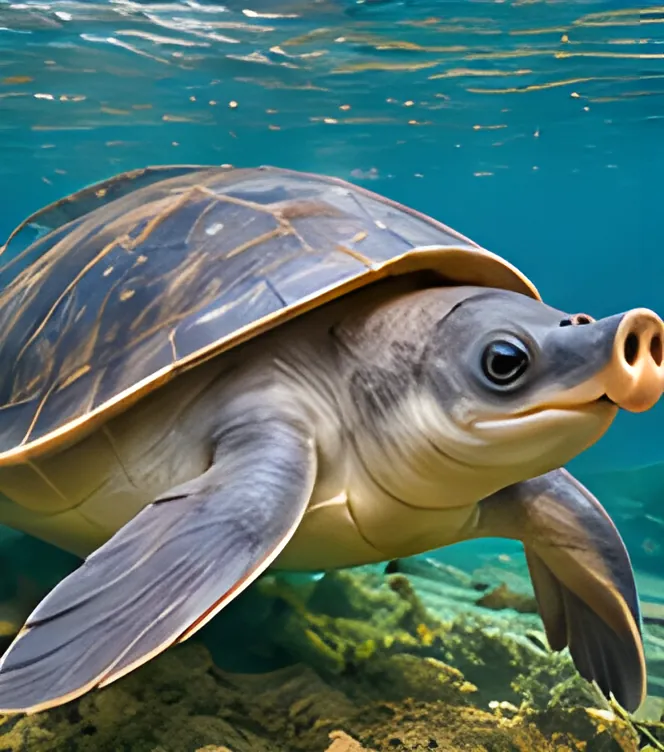 Pig-nosed turtleWith a snout like a pig and flippers like a sea turtle, the pig-nosed turtle is the last living member of an entire turtle family.
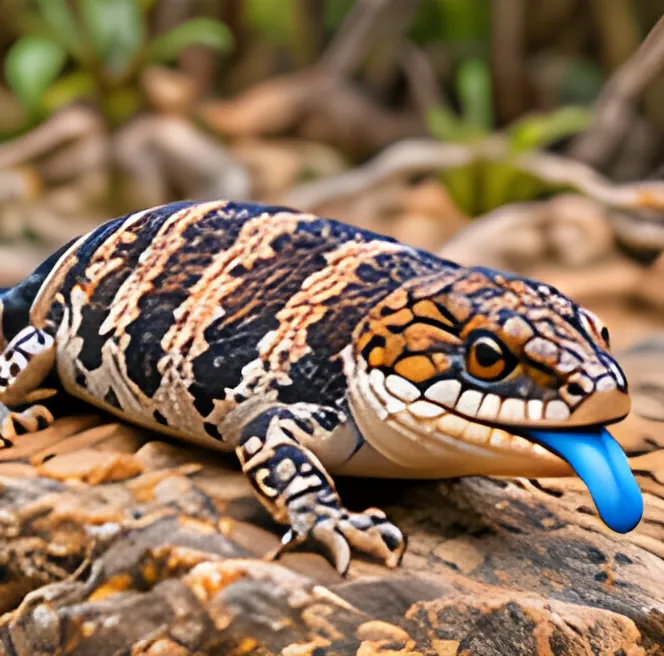 Pygmy blue-tongue lizardWritten off as extinct, Australia's smallest blue-tongue was rediscovered in 1992 inside the stomach of a dead brown snake.
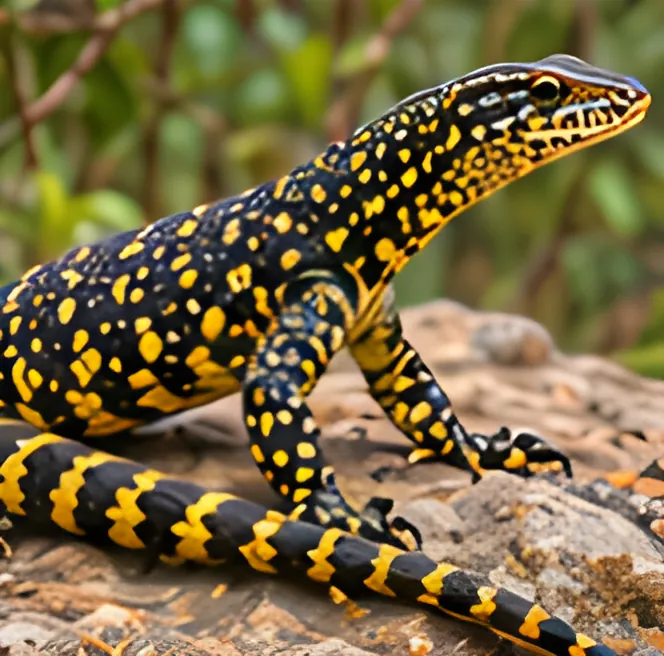 Ridge-tailed monitorThe ackie wedges itself into rock crevices and guards the entrance with its spiky, club-like tail.
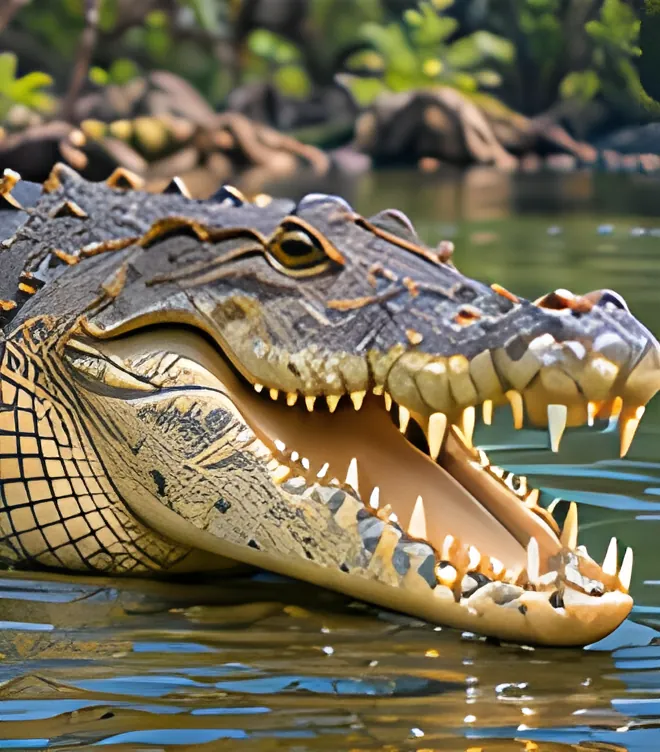 Saltwater crocodileThe saltwater crocodile is the largest living reptile on Earth, and northern Australia is its stronghold.
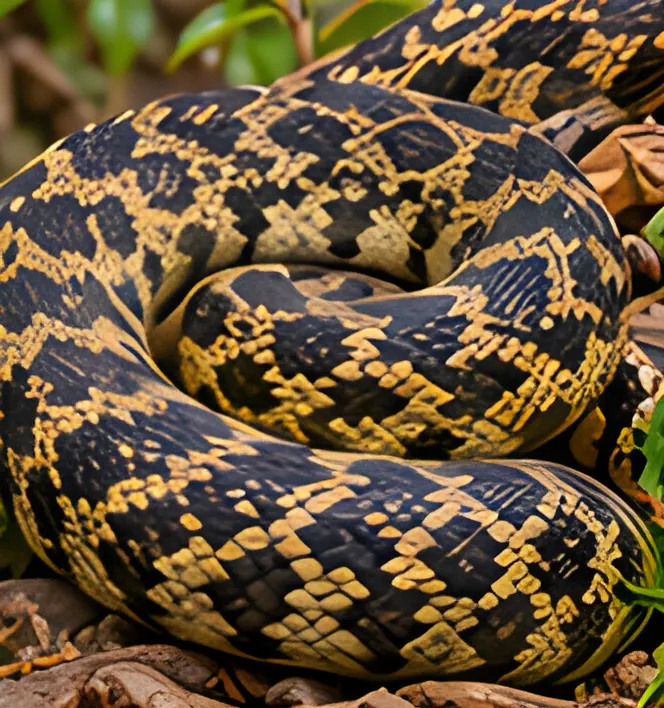 Scrub pythonAustralia's longest snake can top 5.5 m and shimmers like an amethyst in the sun.
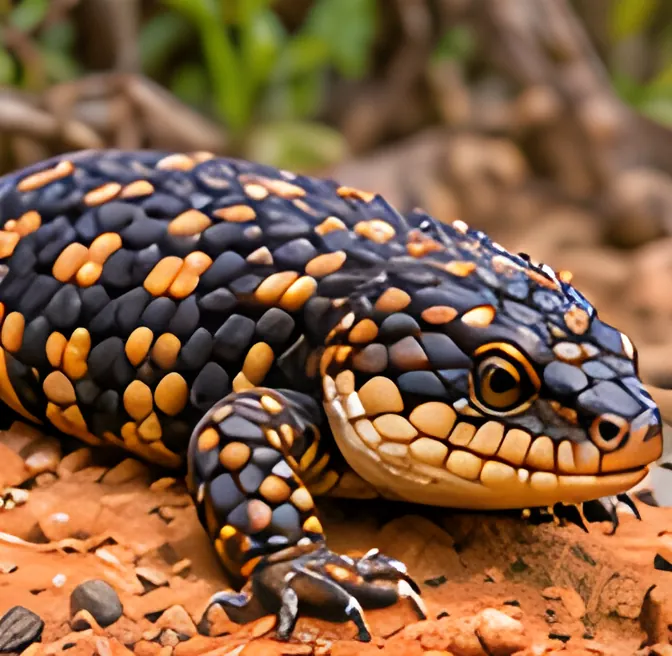 ShinglebackA lizard famous for faithfulness: shingleback pairs reunite every spring, and one pair was still together after 27 years.
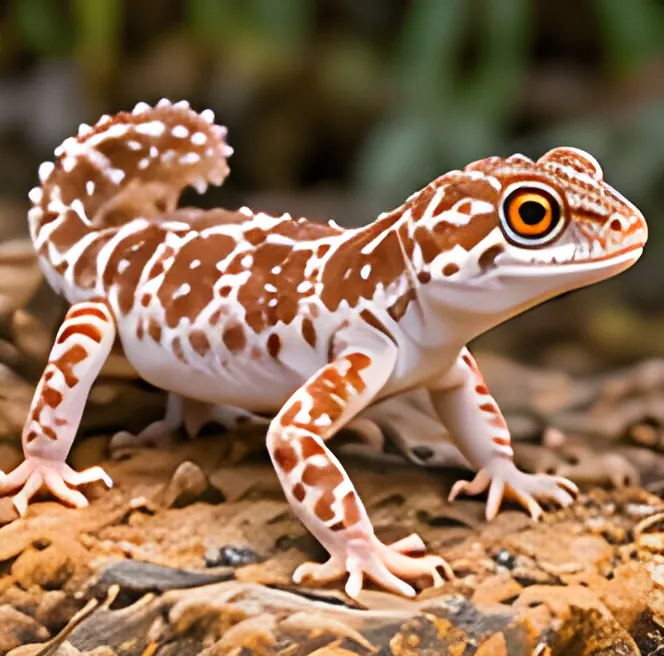 Smooth knob-tailed geckoA big-eyed desert gecko whose stubby tail ends in a mysterious little knob that scientists still can't fully explain.
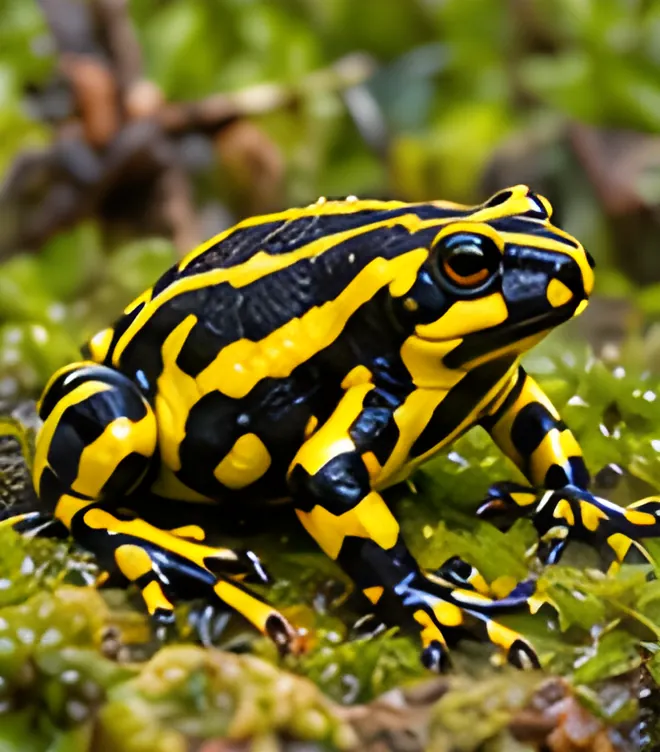 Southern corroboree frogPainted in bold yellow and black, the tiny corroboree frog is one of Australia's rarest animals, and it makes its own poison.
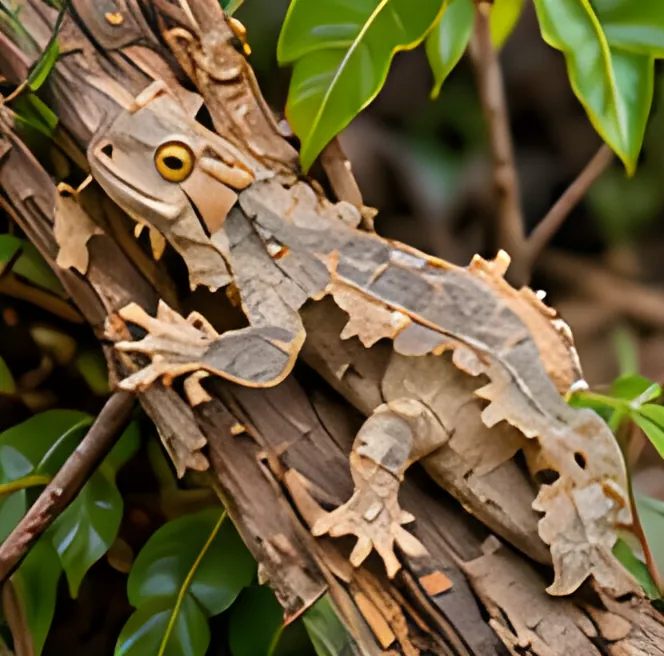 Southern leaf-tailed geckoSydney's sandstone shapeshifter: a gecko so well camouflaged it vanishes against the rock, and whose leafy tail is a detachable decoy.
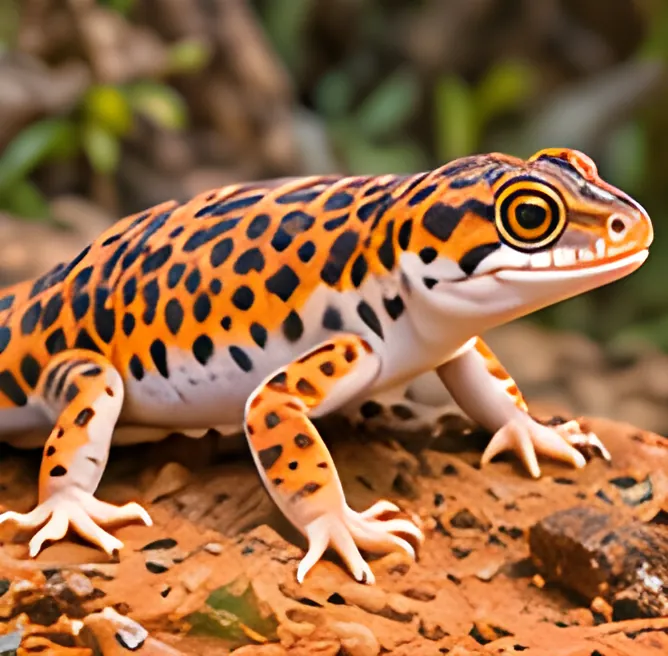 Thick-tailed geckoA small gecko with a big voice: when cornered it arches its back, raises its fat tail and barks.
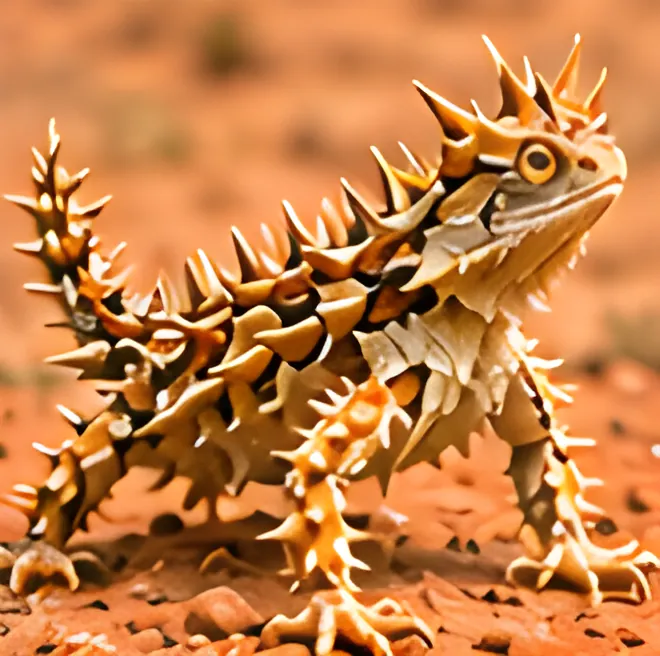 Thorny devilThe thorny devil drinks through its skin: water from damp sand or dew wicks along tiny grooves between its spikes all the way to its mouth.
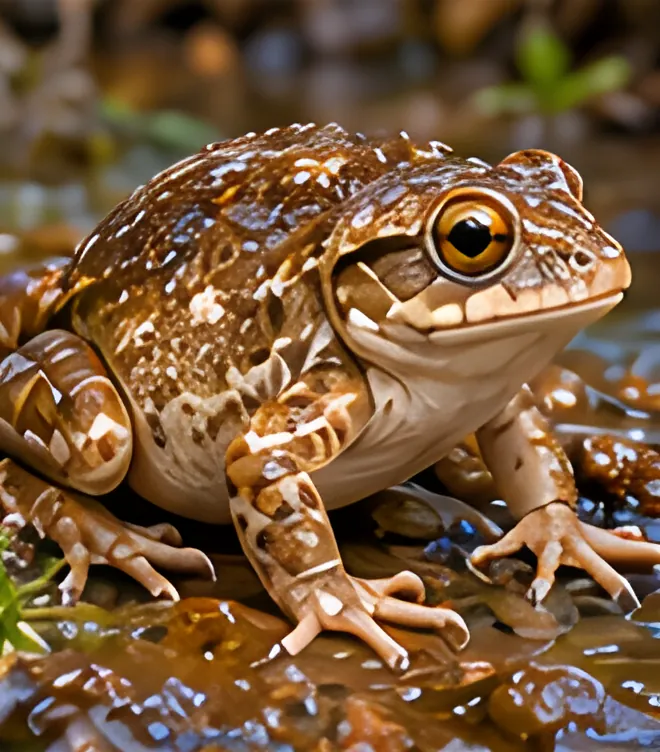 Water-holding frogThe water-holding frog survives Australia's droughts by burying itself, sealing itself in a skin cocoon and waiting underground for years.
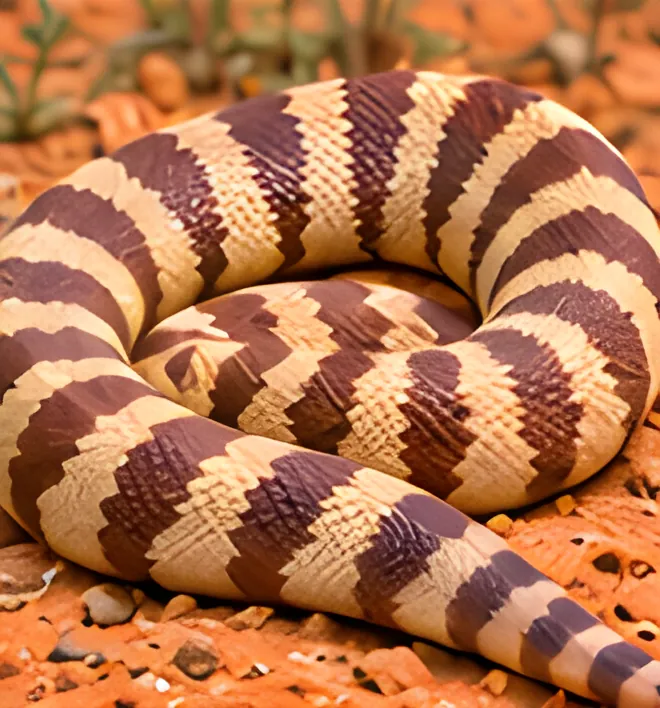 Woma pythonThe woma hunts underground, pinning prey against the walls of burrows with loops of its body.
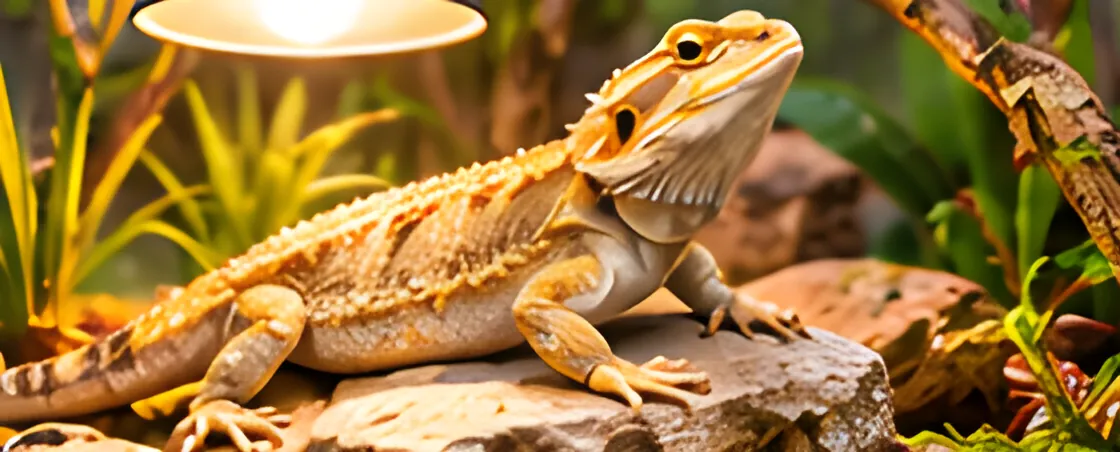 A bearded dragon setup where every part has a jobAustralian bearded dragon enclosure setup guide covering custom habitat pieces, thermostat, heating, UVB, temperature monitoring and practical layout planning.
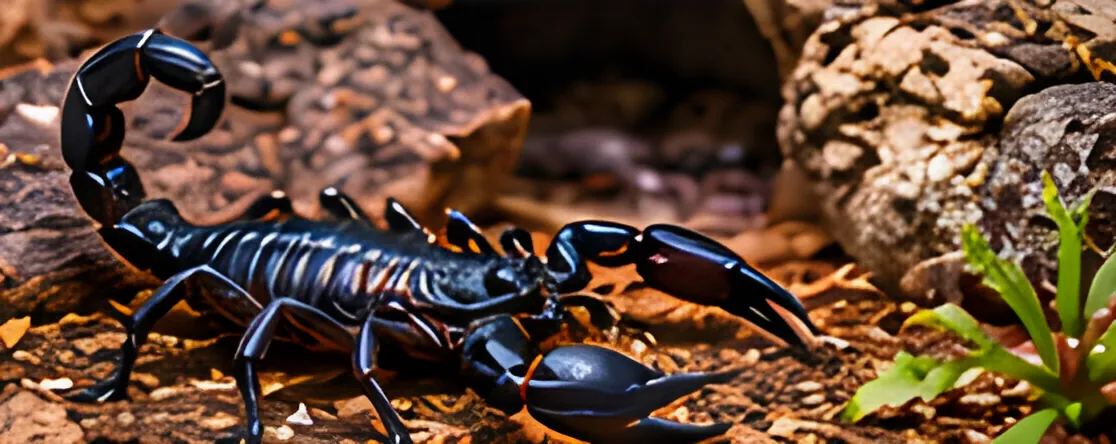 Australian scorpion enclosureAustralian scorpion enclosure guide covering Urodacus species, burrowing and rock-dwelling setups, secure containment, moisture gradients, tool access and licensing considerations.
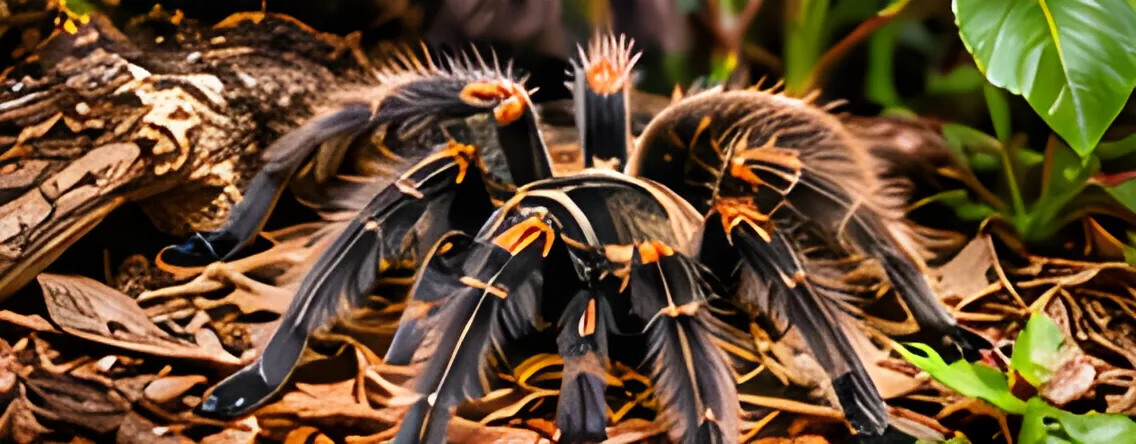 Australian tarantula enclosureAustralian tarantula enclosure guide covering secure lids, burrowing substrate, retreat design, moisture differences, maintenance access and wildlife licensing considerations.
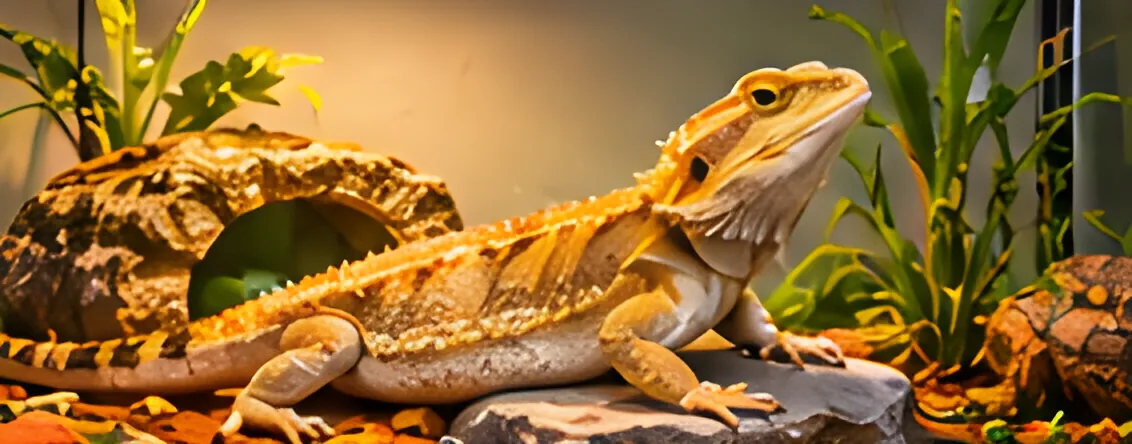 Bearded Dragon Care & Enclosure Guide AustraliaDetailed Australian bearded dragon guide covering temperatures, UVB, enclosure size, diet, behaviour, enrichment and custom backdrop ideas.
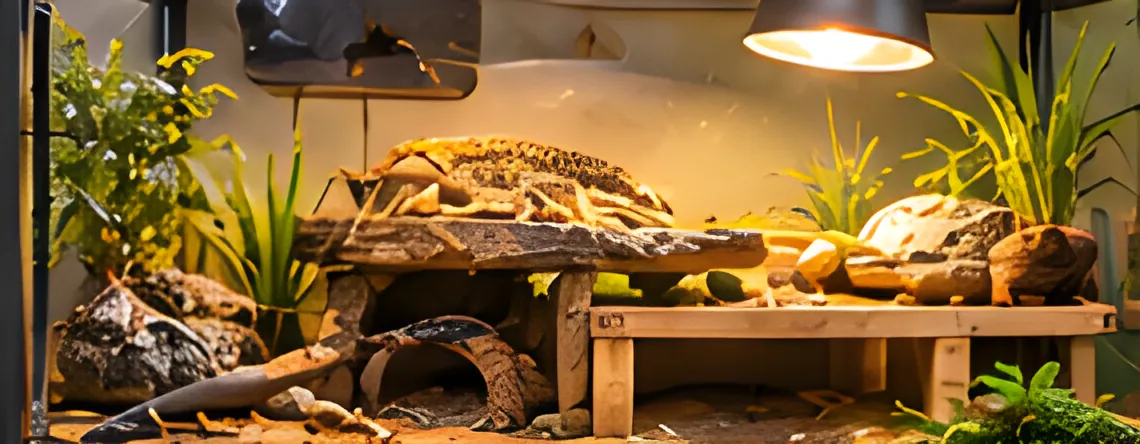 Bearded dragon enclosure checklistA practical Australian bearded dragon enclosure checklist covering size, thermal gradient, UVB, basking surface, hides, climbing, monitoring, cleaning and custom backdrop planning.
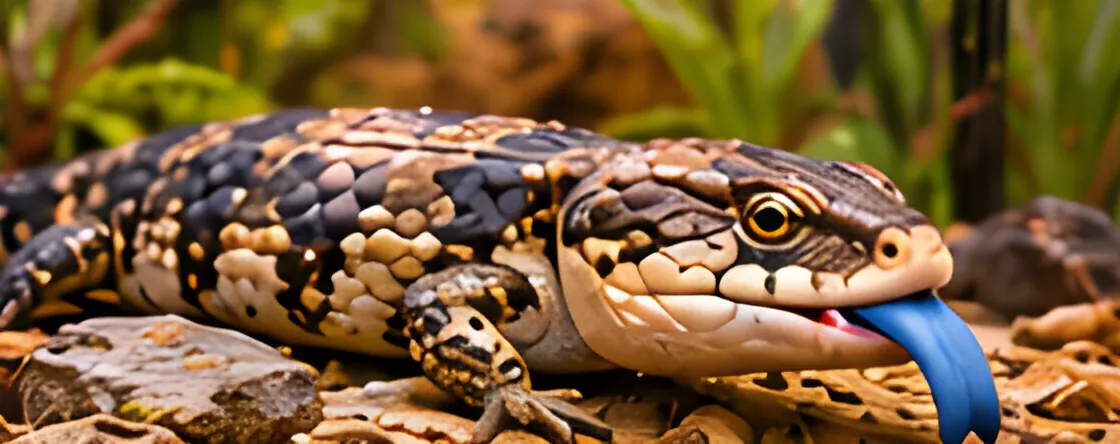 Blue Tongue Lizard Care & Enclosure Guide AustraliaDetailed blue tongue lizard guide for Australian keepers covering temperature, humidity, UVB, enclosure size, diet, substrate, hides and custom habitat ideas.
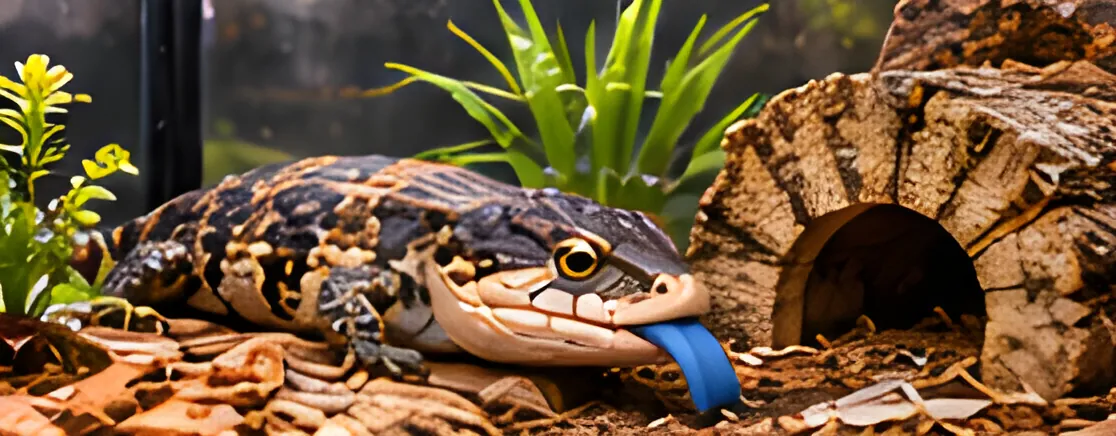 Blue-tongue enclosure checklistA practical Australian blue-tongue enclosure checklist covering floor space, basking, hides, substrate, UVB, humidity monitoring, cleaning and backdrop planning.
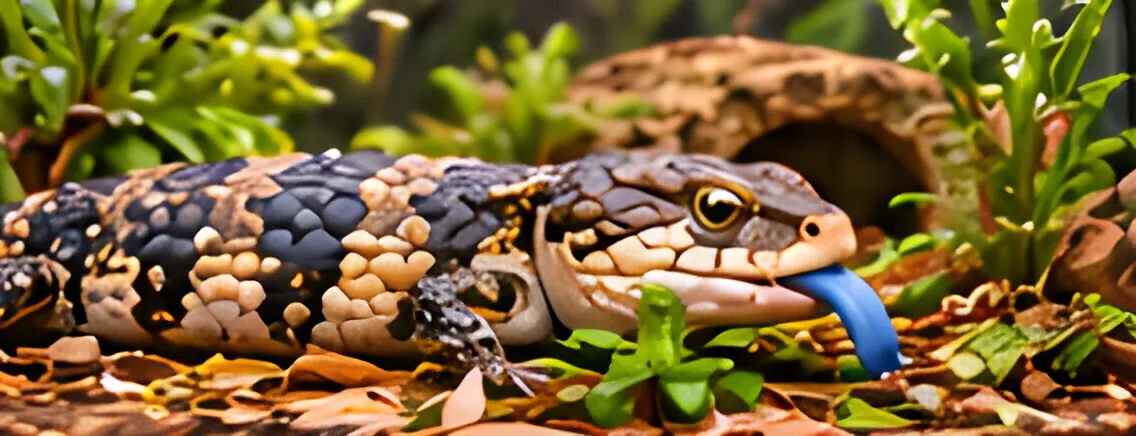 Blue-tongue setup: keep the floor usefulA practical Australian blue-tongue enclosure setup guide covering floor space, heating, UVB, hides, substrate, humidity monitoring and useful equipment.
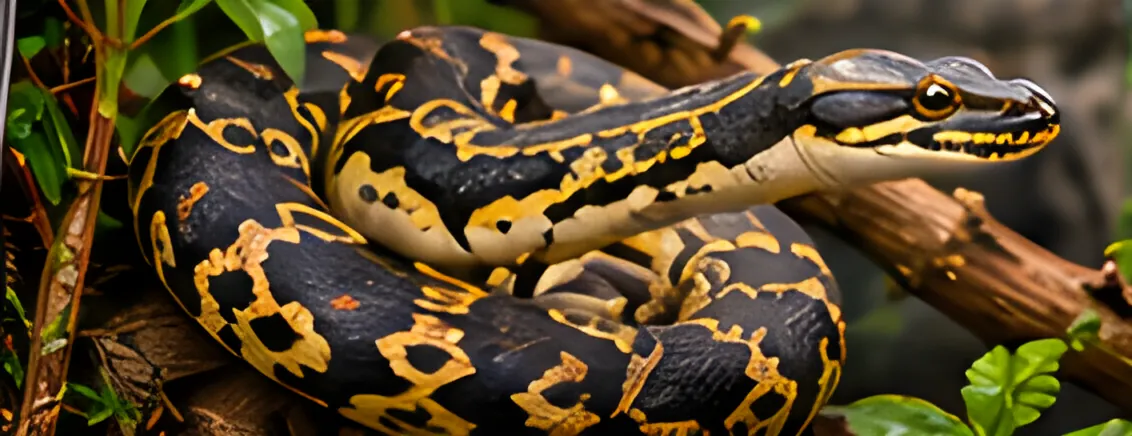 Carpet Python Care & Enclosure Guide AustraliaDetailed carpet python guide covering enclosure dimensions, climbing, temperature gradient, humidity, UVB, feeding and custom branch/background ideas for Australian keepers.
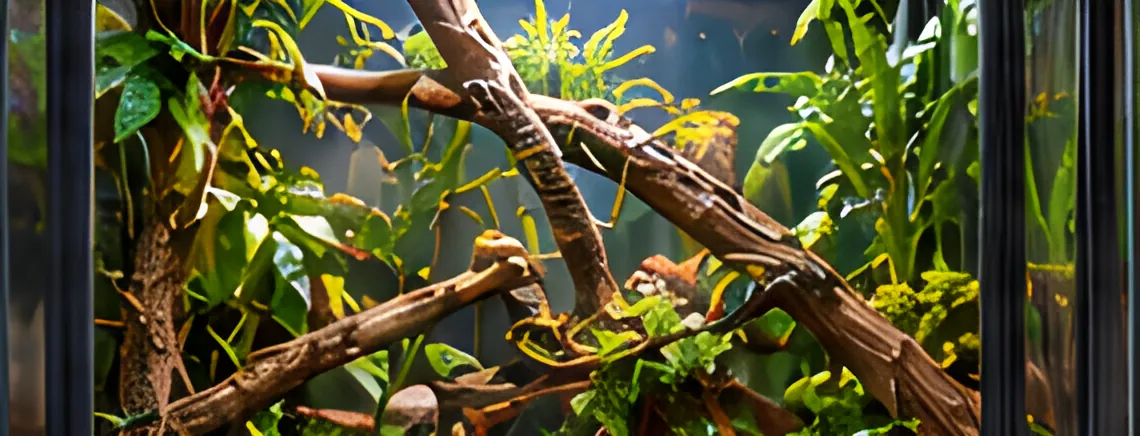 Carpet python setup: make the height usableAustralian carpet python enclosure setup guide covering secure climbing structure, thermal gradients, hides, monitoring and useful equipment.
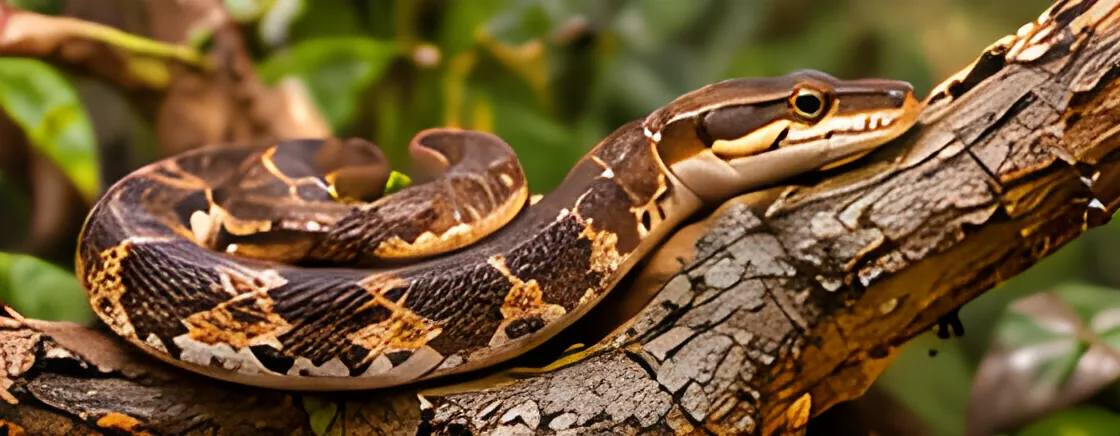 Children's Python Care & Enclosure Guide AustraliaDetailed Children's python guide covering temperature choices, hides, climbing, enclosure security, feeding and custom habitat ideas for Australian keepers.
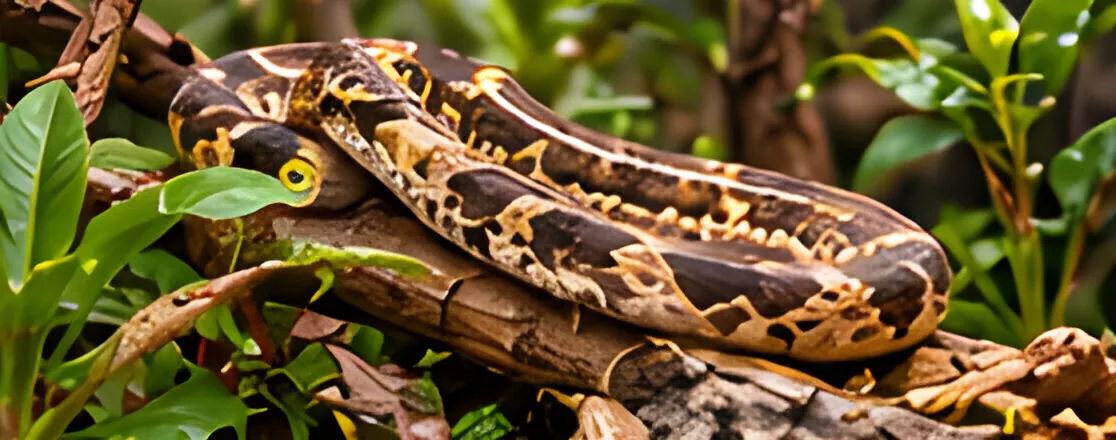 Children's Python Habitat & Enclosure Setup AustraliaPractical Australian Children's python setup guide covering warm/cool hides, climbing, heating, UVB, water, timers and temperature monitoring.
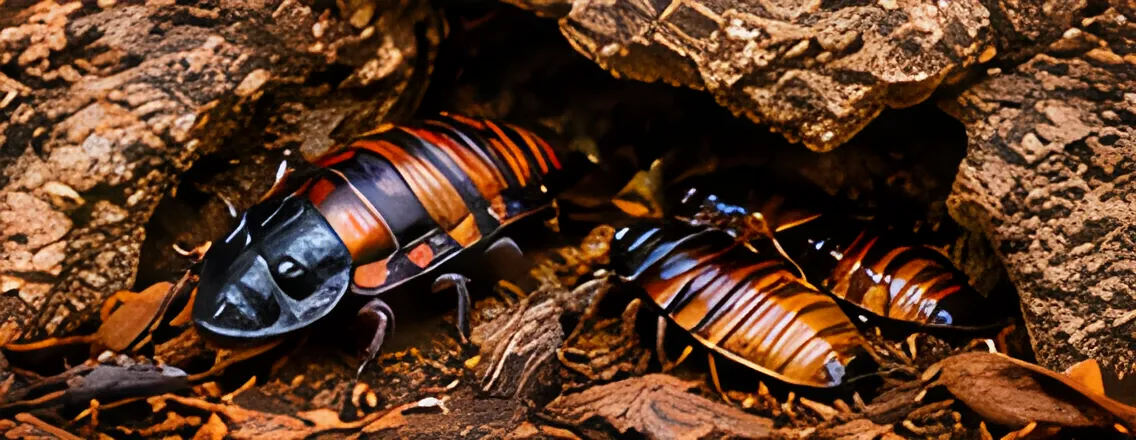 Giant burrowing cockroach setupAustralian giant burrowing cockroach enclosure guide covering leaf litter, burrowing substrate, moisture, safe hides and custom low-profile terrarium features.
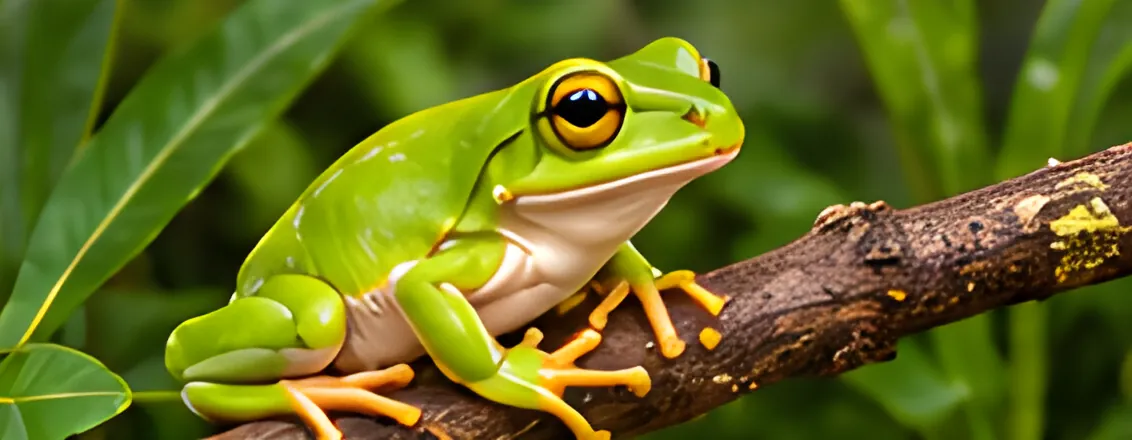 Green Tree Frog Care & Enclosure Guide AustraliaDetailed Australian green tree frog guide covering temperature, humidity, UVB, water, enclosure size, feeding, hygiene, climbing and custom vivarium ideas.
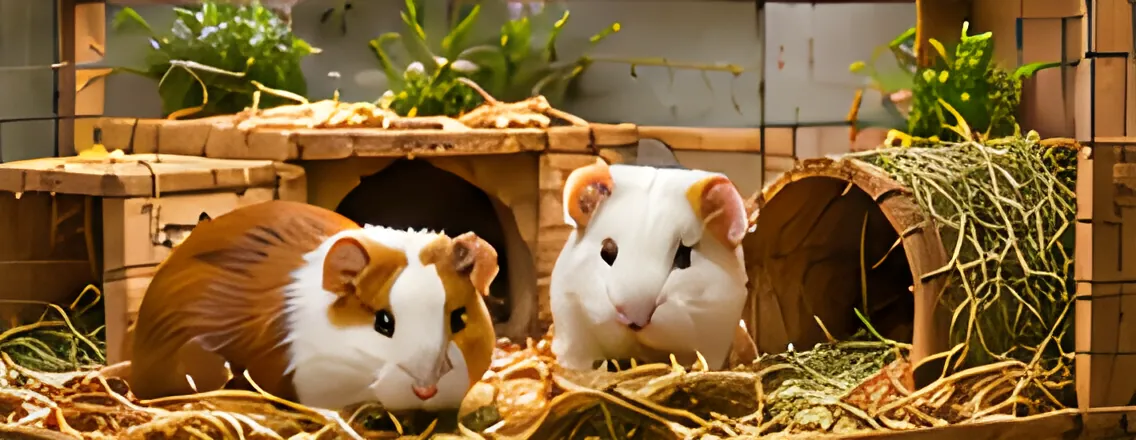 Guinea-pig enclosure setupPlan an Australian guinea-pig enclosure with generous usable floor space, companions, hides, bedding, enrichment, cleaning access and heat protection.
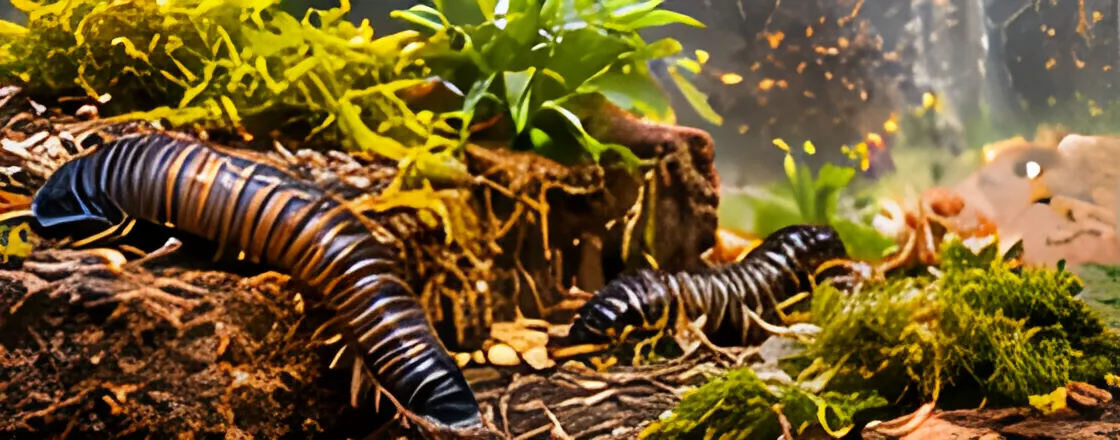 Invertebrate terrariumsAustralian guide hub for insect, spider and scorpion terrariums, including stick insects, giant burrowing cockroaches, jumping spiders, mantids, tarantulas and scorpions.
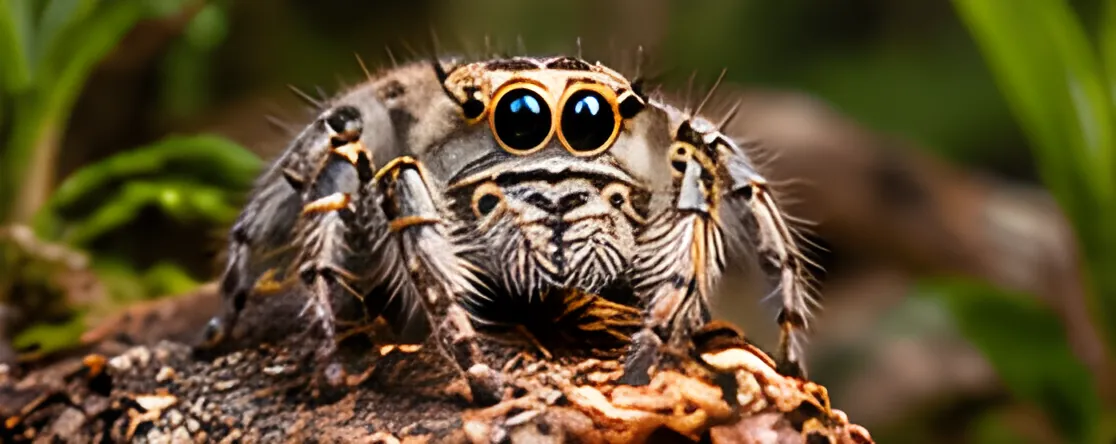 Jumping spider terrariumAustralian jumping spider terrarium guide covering vertical structure, daylight hunting, web retreats, small escape gaps, feeding access and micro backdrops.
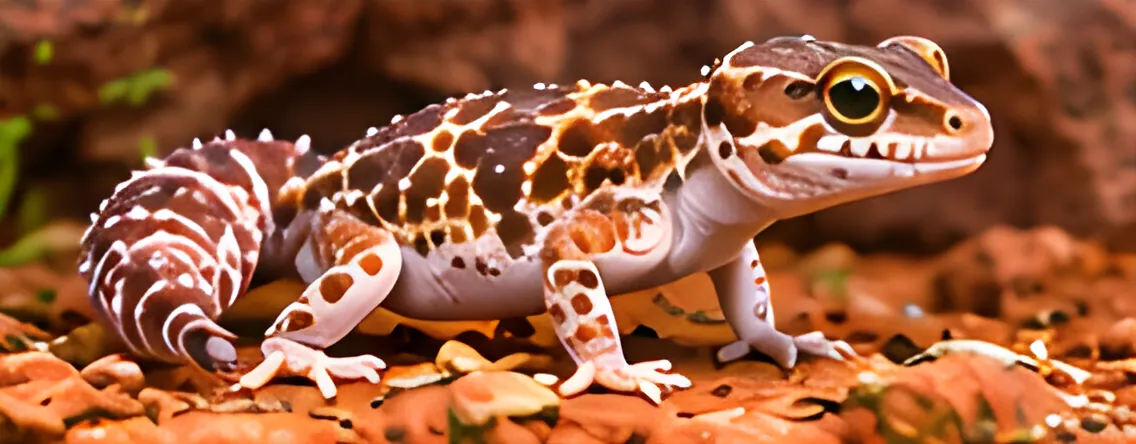 Knob-Tailed Gecko Care & Enclosure Guide AustraliaDetailed knob-tailed gecko enclosure guide for Australian keepers, using Nephrurus levis as a reference for heat, deep substrate, humid retreats, nocturnal behaviour and custom desert habitat ideas.
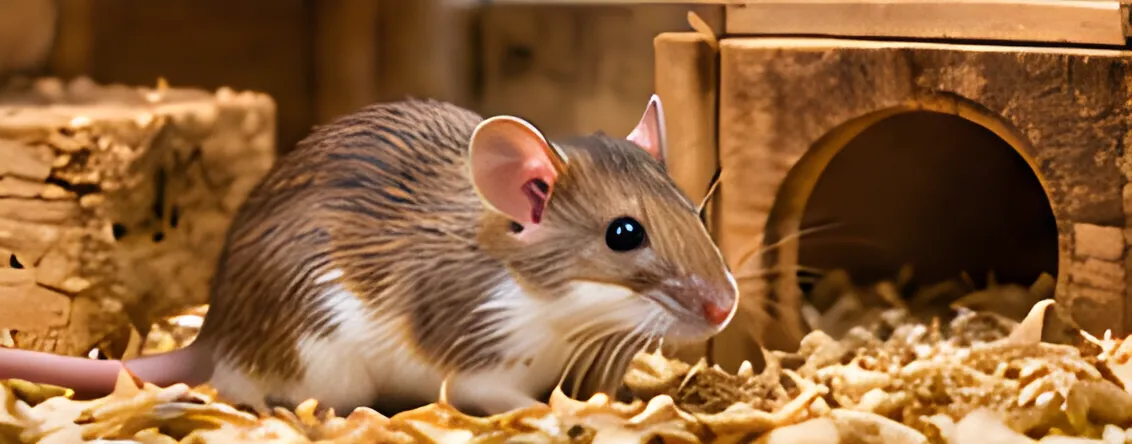 Mouse enclosure setupAustralian pet-mouse enclosure planning covering secure ventilation, social considerations, substrate depth, hides, climbing, enrichment and cleaning.
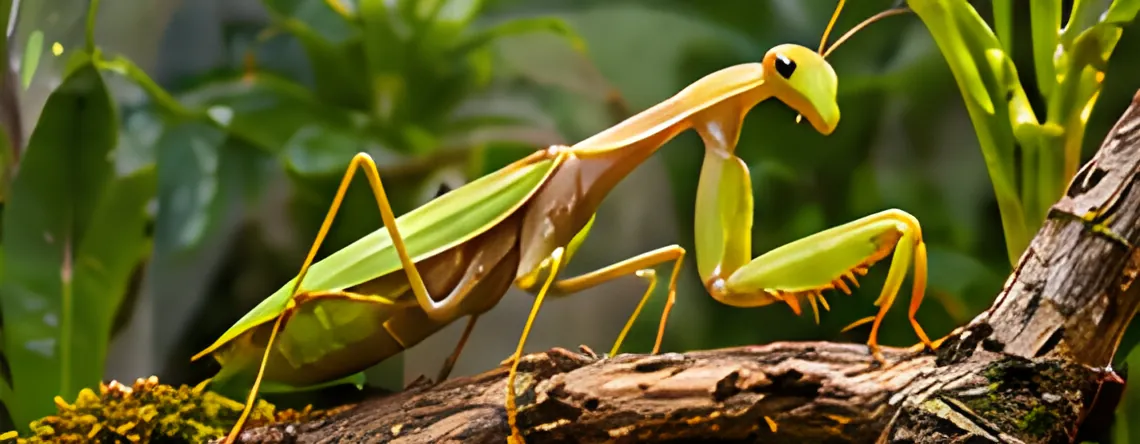 Praying mantis enclosureAustralian praying mantis enclosure guide covering moulting clearance, perches, ventilation, live prey, solitary housing and compact custom terrarium structure.
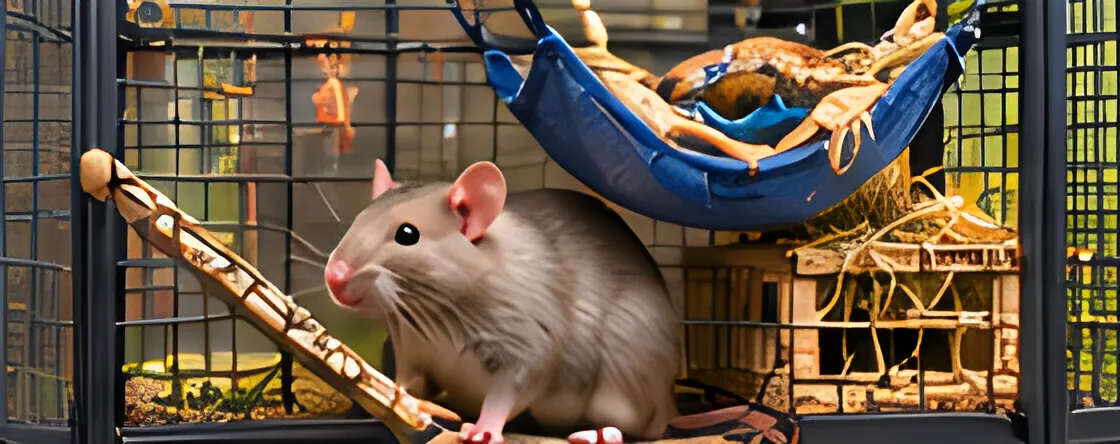 Rat cage setup: make vertical space usableAustralian pet-rat cage setup covering compatible companions, usable climbing routes, hammocks, hides, substrate, enrichment, cleaning and household safety.
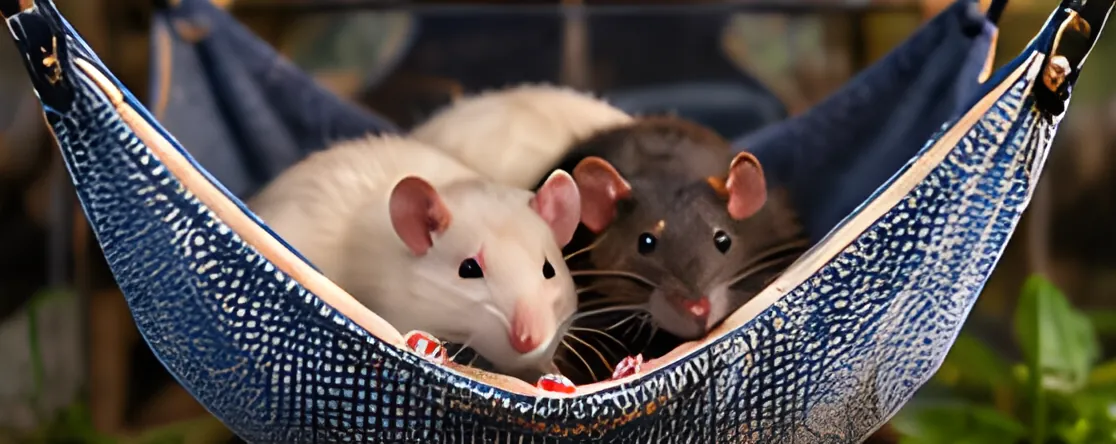 Rat hammocksA practical rat-hammock guide covering cage placement, fall routes, attachment hardware, chewing inspections, washing, rotation and retirement.
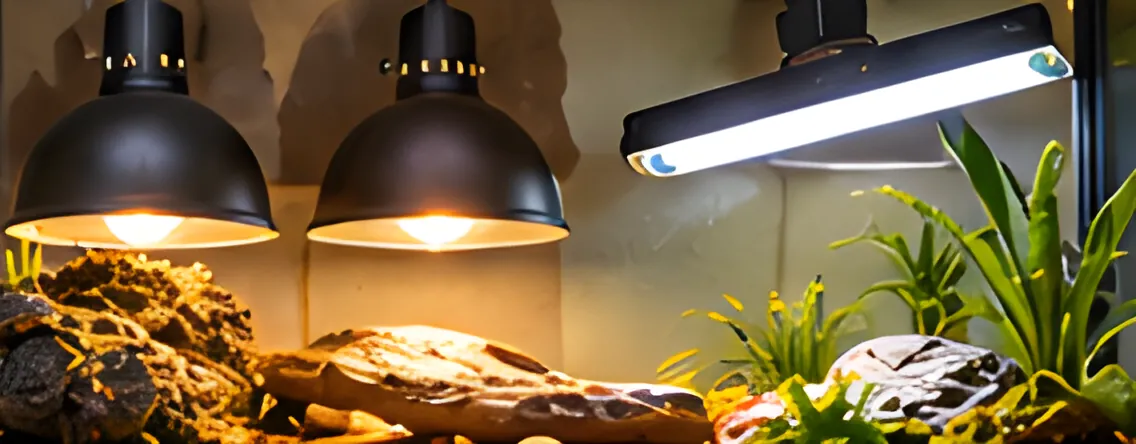 Reptile heat and lighting safety checklistA printable Australian reptile enclosure preflight checklist for heaters, thermostats, probes, UVB, cables, monitoring and post-change verification.
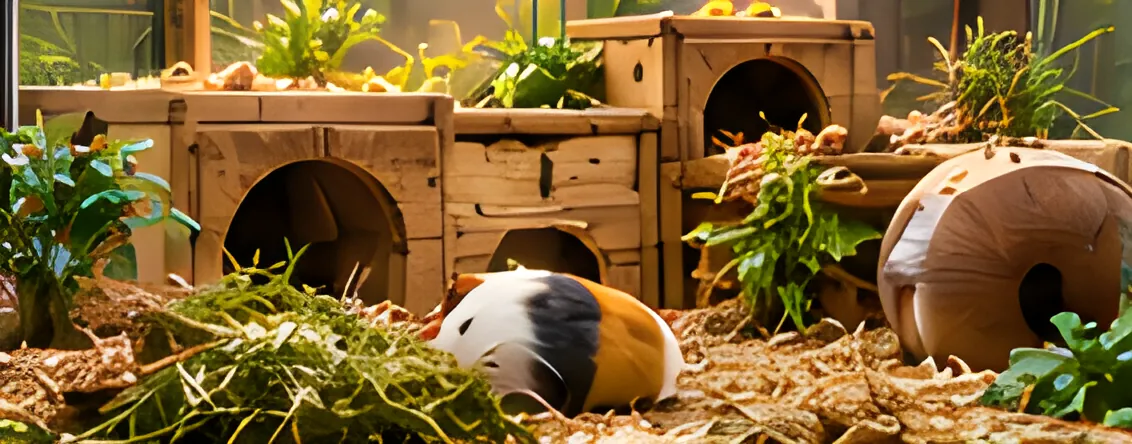 Small-pet habitats that support real behaviourAustralian habitat planning for guinea pigs, rats and mice, including housing, enrichment, heat safety, hammocks and easy-clean custom pieces.
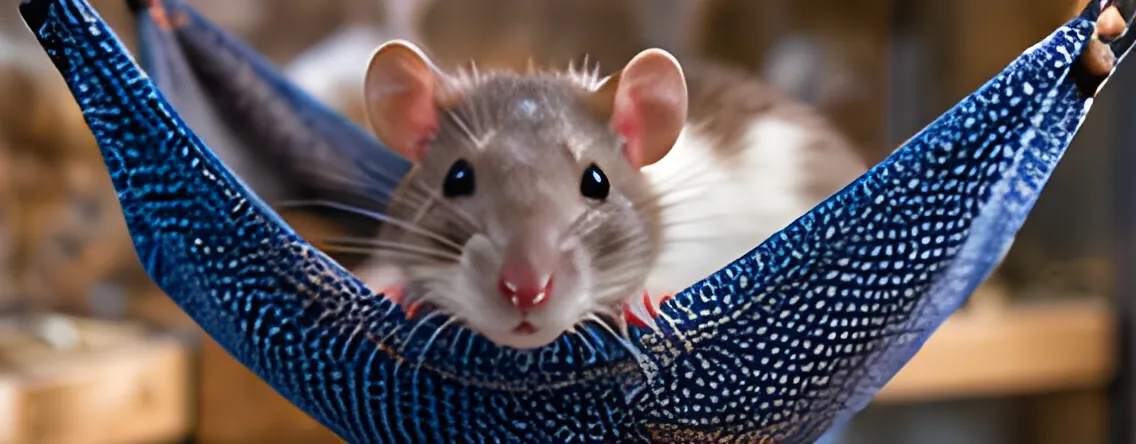 Small-pet hammock safetyA practical small-pet hammock safety guide for guinea pigs, rats and other appropriate pets, covering fit, fall risk, chewing, attachments and cleaning.
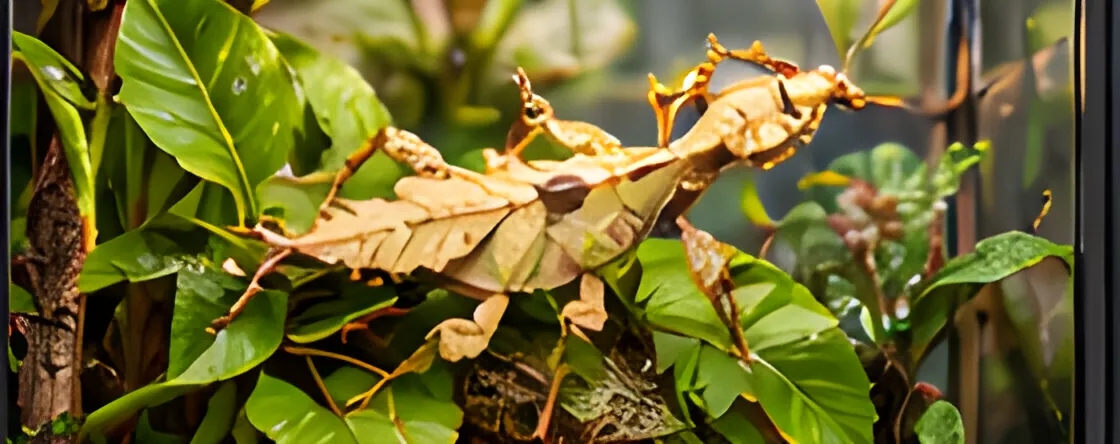 Spiny leaf insect enclosureAustralian spiny leaf insect enclosure guide covering moulting height, airflow, eucalyptus food branches, nymph safety and custom terrarium features.
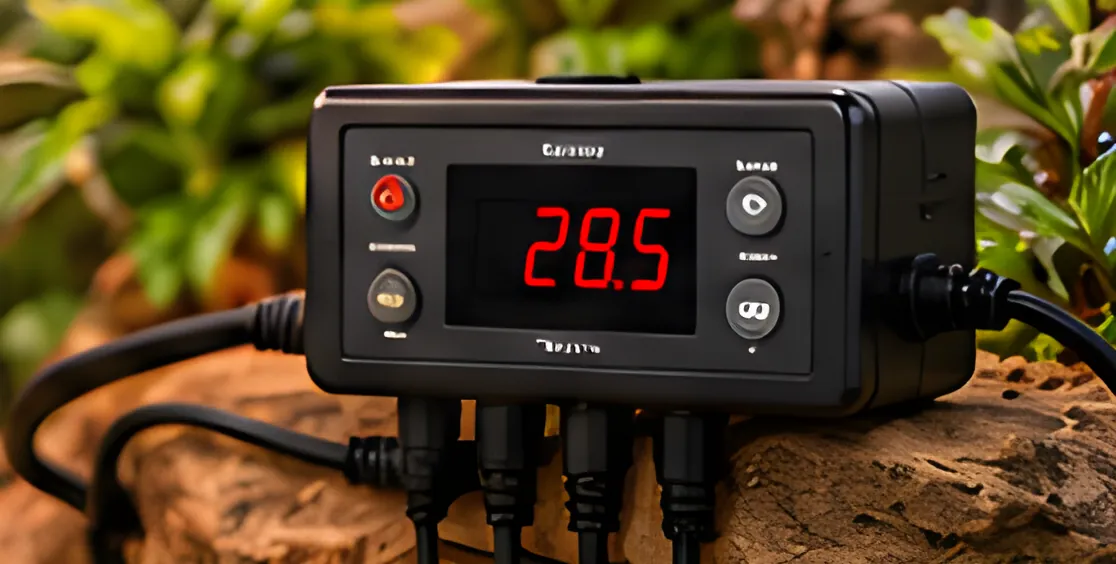 10 Reptile Thermostats Available in Australia ComparedCompare 10 reptile thermostat options available to Australian keepers, including dimming, pulse and on/off controllers, with honest best-use and limitation notes.
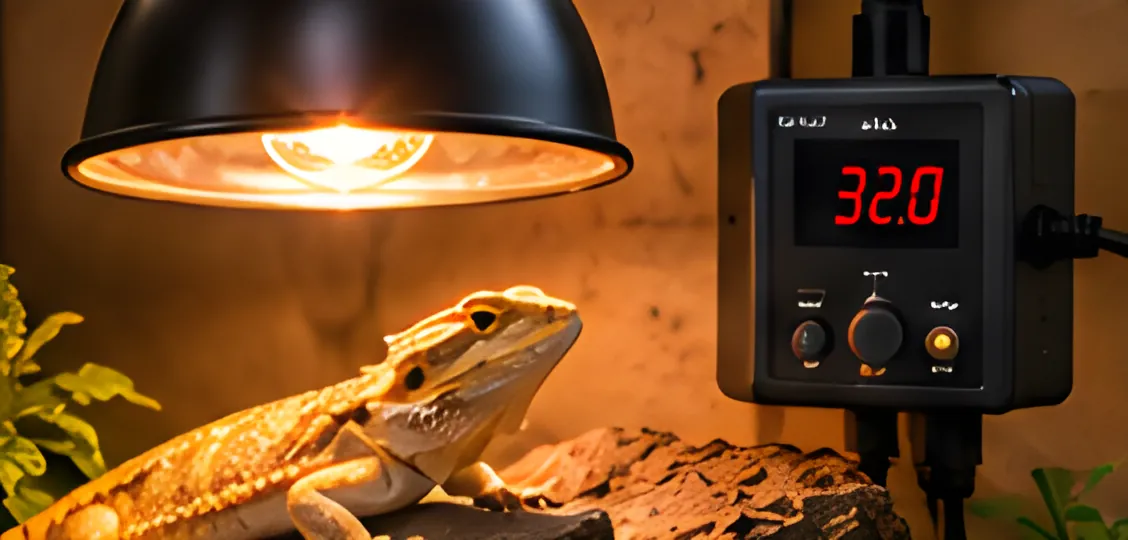 Best Thermostat for a Reptile Heat Lamp in AustraliaChoose a thermostat for a reptile basking or heat lamp in Australia: why dimming matters, what to check, product comparisons and common setup mistakes.
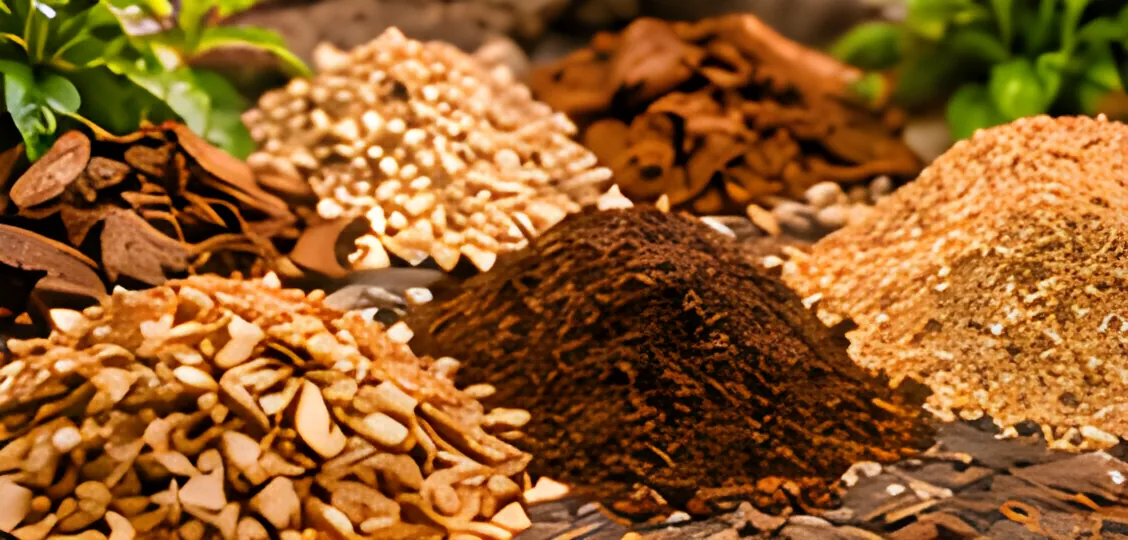 Choosing reptile substrate in Australia without chasing one “best” productA decision-led Australian reptile substrate guide covering species behaviour, moisture, ingestion risk, cleaning, quarantine and bioactive use.
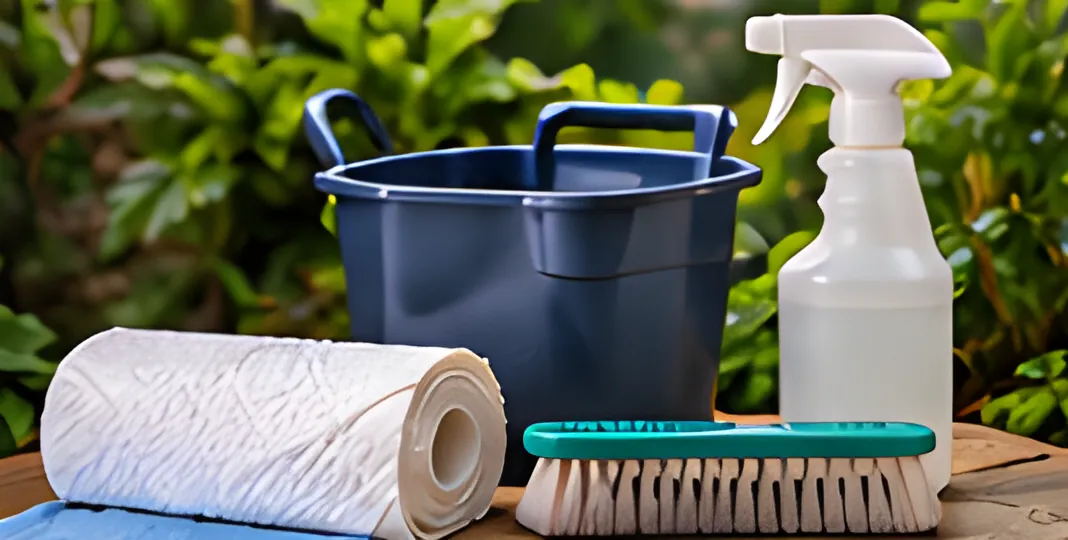 Cleaning equipmentPlain-English reptile enclosure cleaning guide covering removable bowls, dedicated tools, spot cleaning and custom scenery that can actually be maintained.
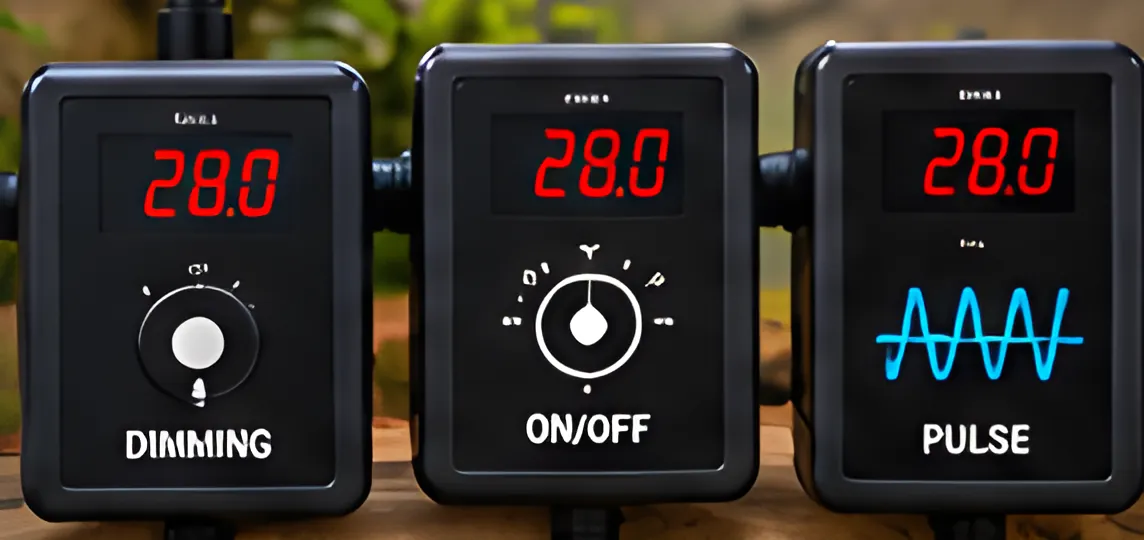 Dimming vs On/Off vs Pulse Reptile ThermostatsA plain-English Australian guide to dimming, on/off and pulse proportional reptile thermostats, which heaters they may suit and what to check before buying.
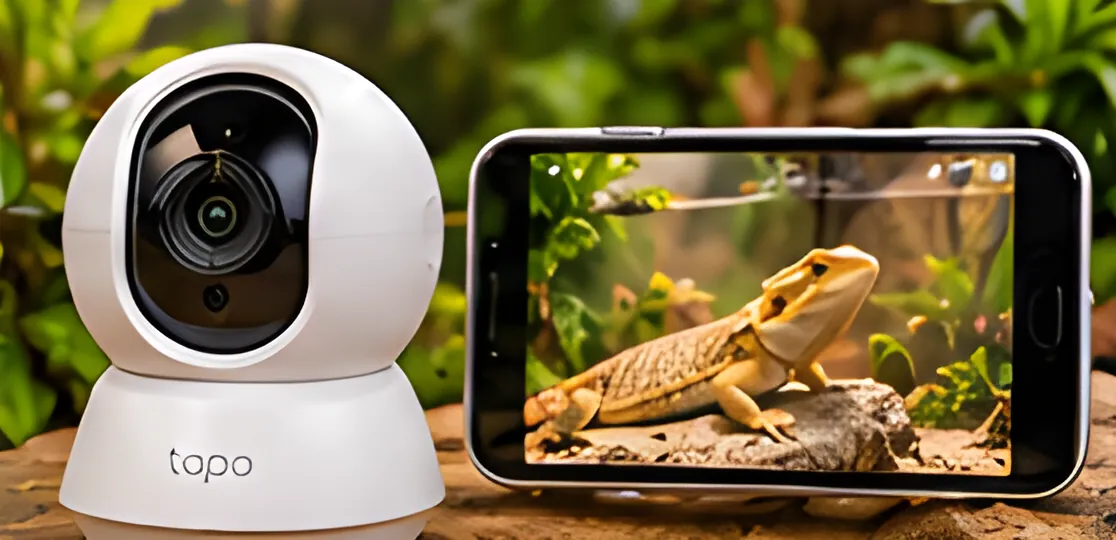 Enclosure camerasPractical guide to choosing a camera for a reptile enclosure, including viewing angle, night vision, cable placement, mounting and privacy.
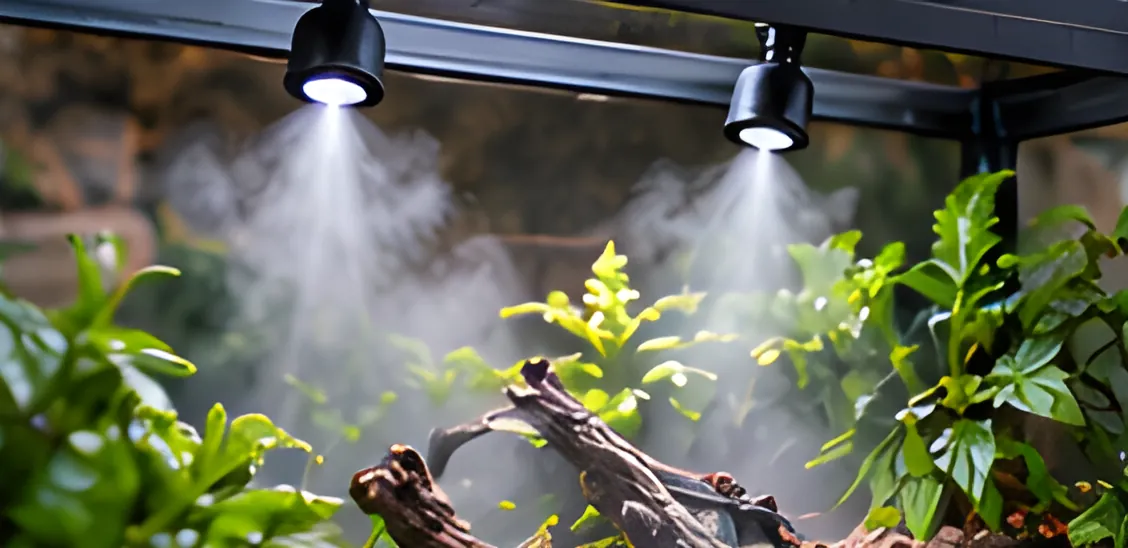 Humidity & mistingAustralian reptile humidity and misting guide explaining hygrometers, misting, fogging, drainage and why humidity targets must be species-specific.
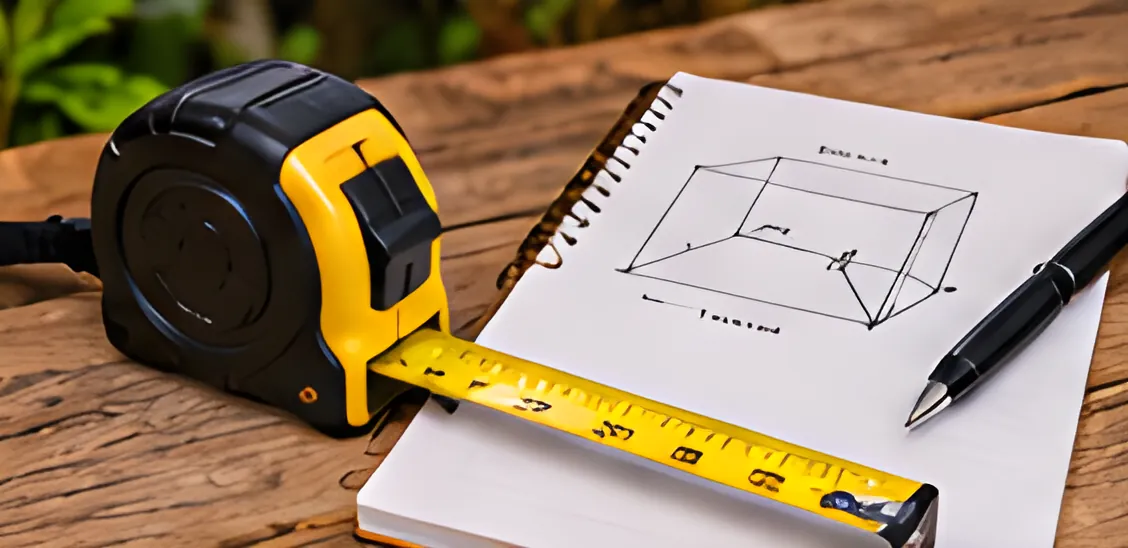 Measure the enclosure you haveAustralian reptile thermometer and hygrometer guide covering digital probes, infrared temperature guns, humidity monitoring and practical placement.
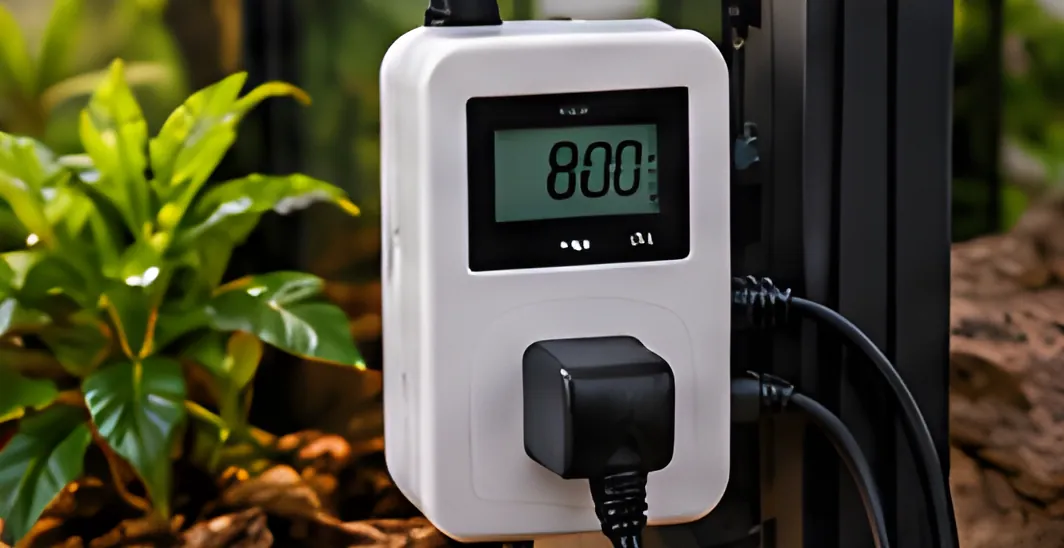 Reptile enclosure timersPractical reptile enclosure timer setup guide covering lighting schedules, timer vs thermostat roles, smart plugs, outage behaviour, electrical loads and labelling.
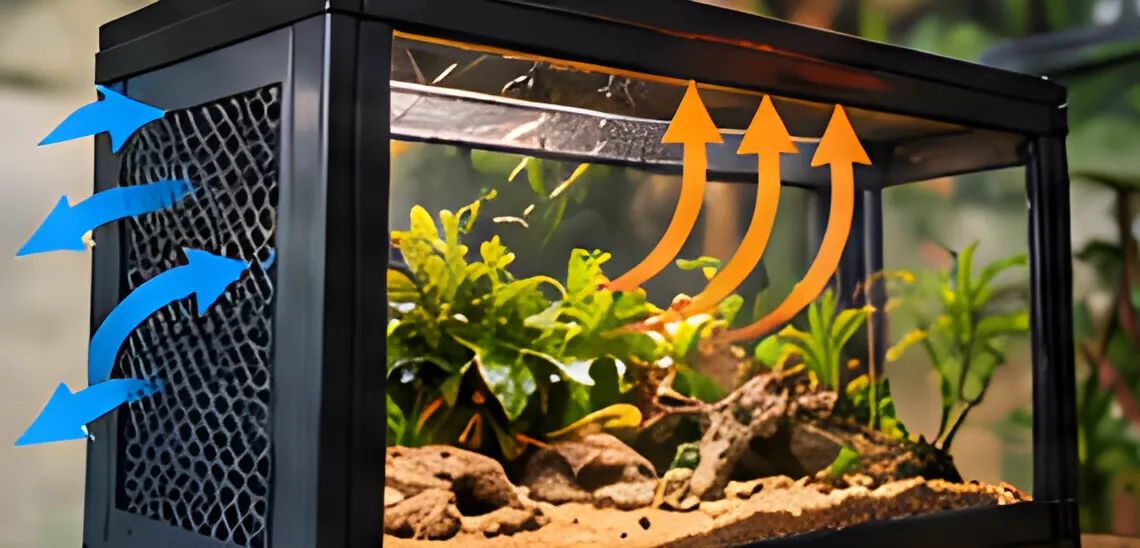 Reptile enclosure ventilation and humidityPlan reptile enclosure ventilation and humidity together, with practical Australian room-climate, monitoring and maintenance considerations.
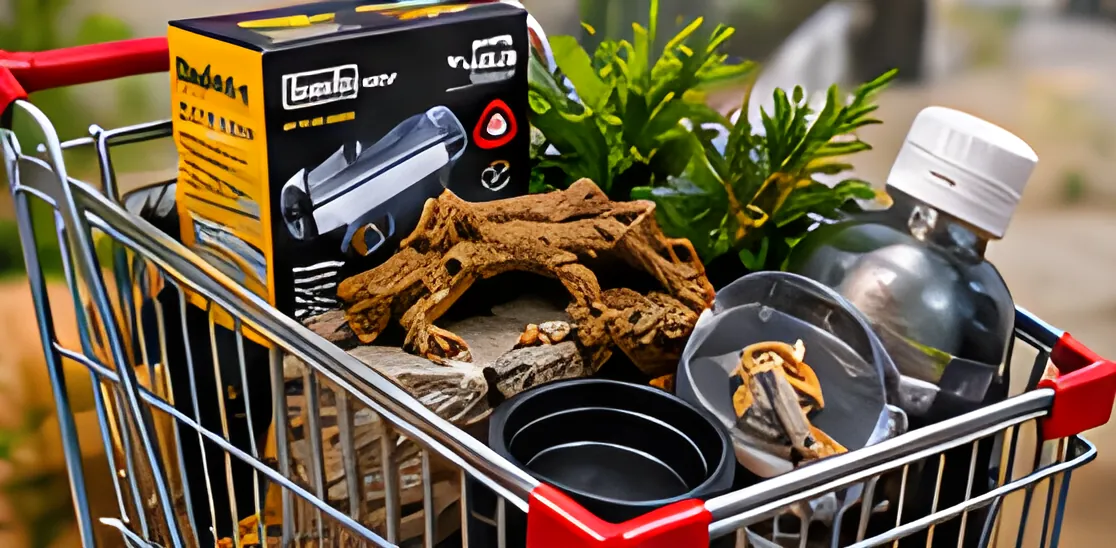 Reptile equipment without the random shopping listA practical Australian reptile equipment hub covering thermostats, heating, UVB, temperature monitoring and how these fit around custom habitat pieces.
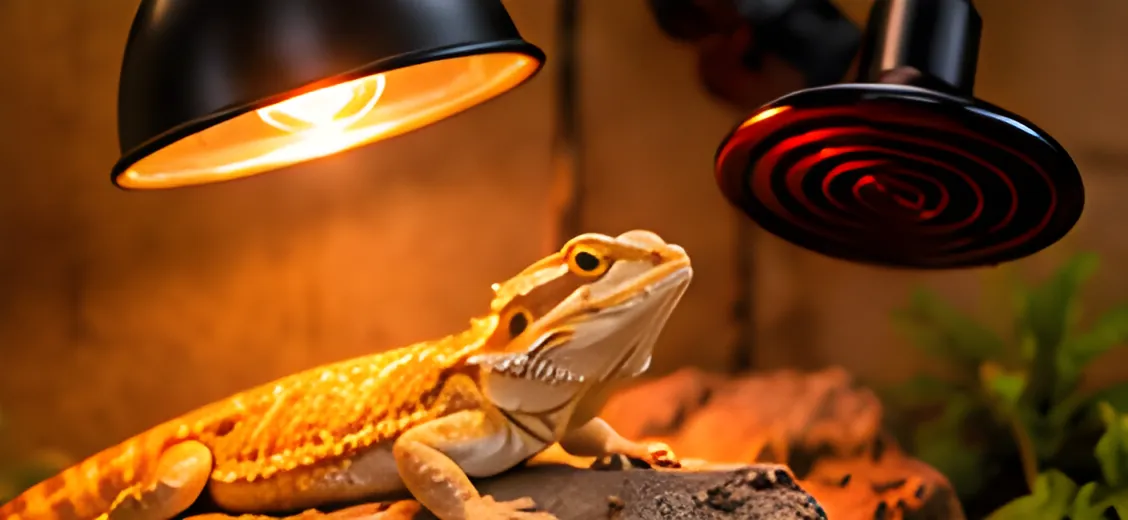 Reptile heatingAustralian reptile heating guide covering basking lamps, ceramic heat emitters, heat mats, thermostatic control, gradients and enclosure planning.
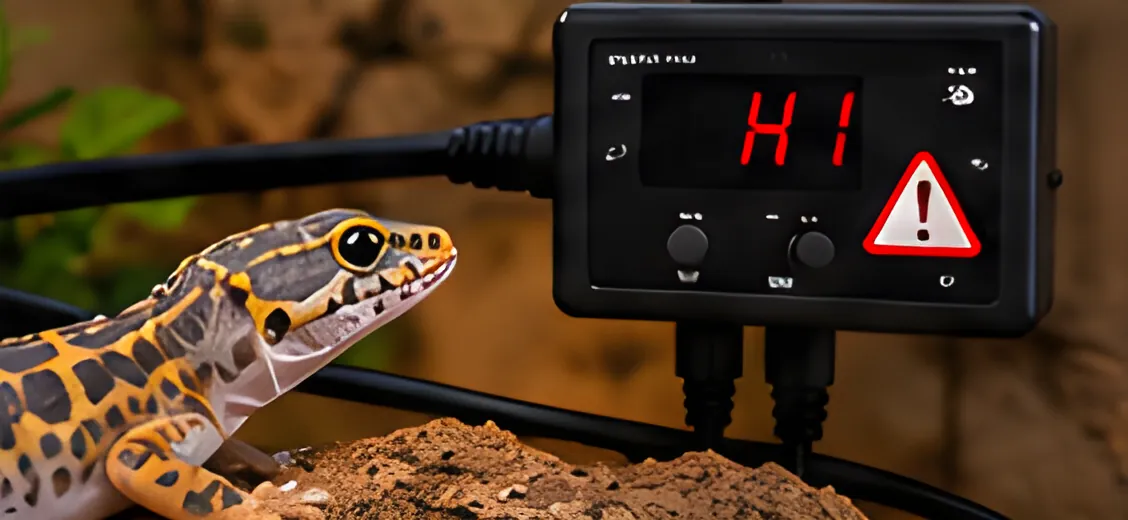 Reptile thermostat problemsA practical Australian reptile thermostat troubleshooting guide covering probe position, controller type, short cycling, room temperature, heater sizing and common setup mistakes.
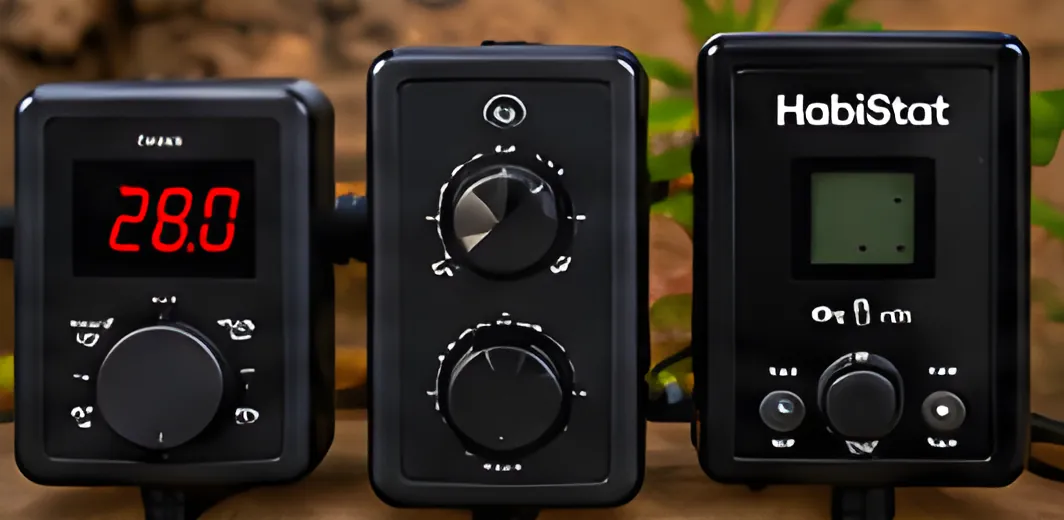 Reptile thermostatsAustralian reptile thermostat guide explaining dimming, pulse proportional and on/off control, probe placement principles and what to check before buying.
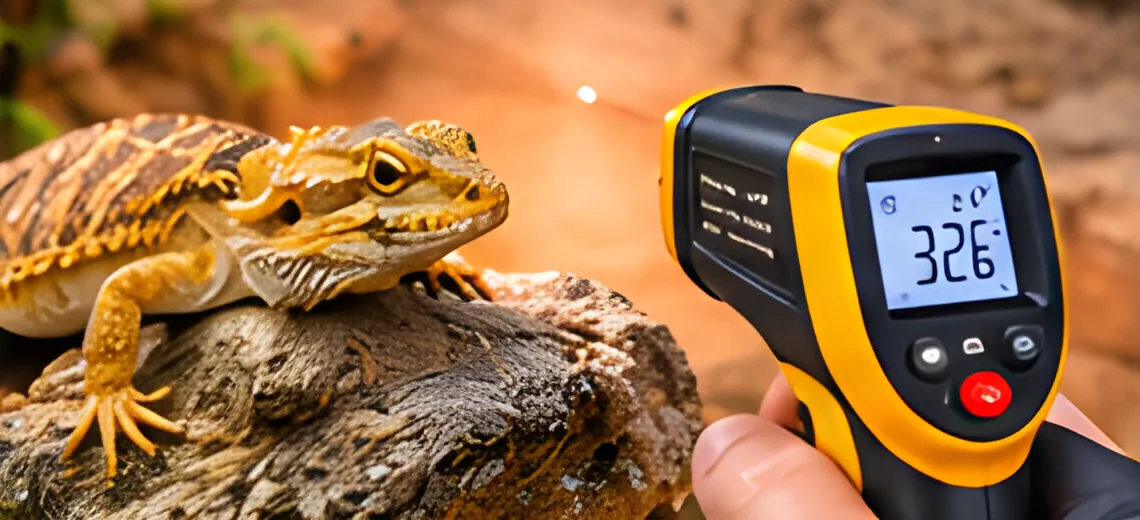 Temperature guns for reptile enclosuresHow to use an infrared temperature gun in a reptile enclosure, what it measures, common mistakes, emissivity limitations and how it complements fixed probe thermometers.
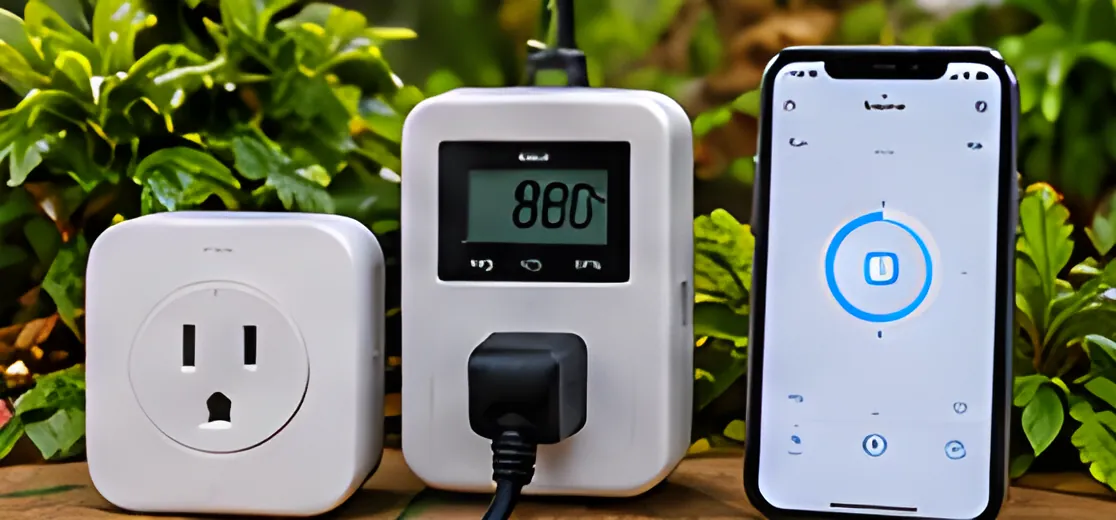 Timers & smart controlsSimple Australian guide to using timers and smart plugs for reptile lighting and suitable scheduled equipment without confusing them with thermostats.
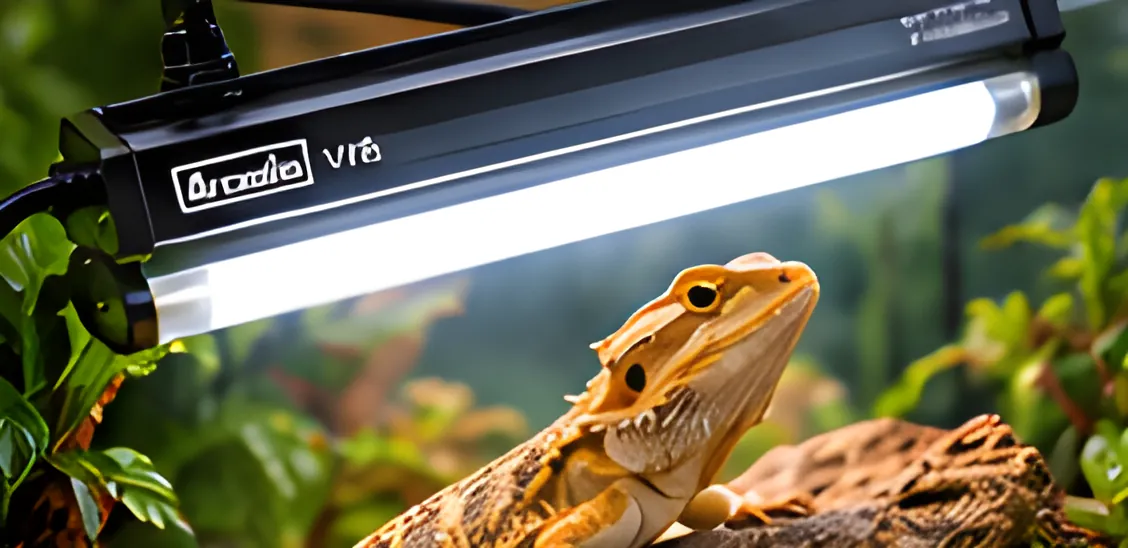 UVB lightingAustralian reptile UVB guide covering why UVB matters, obstruction, mounting distance, manufacturer guidance and how to plan custom habitat features around lighting.
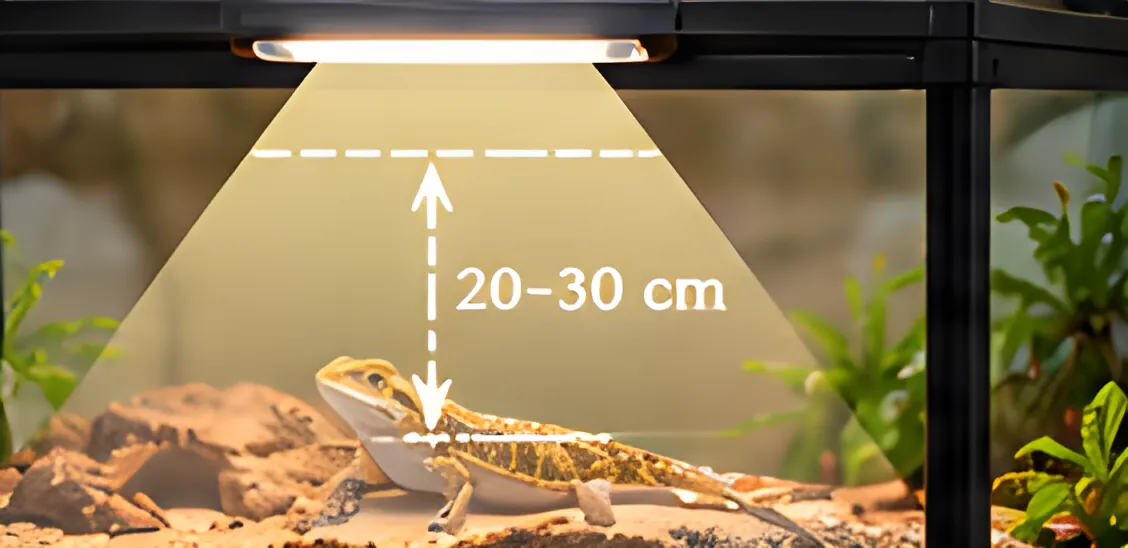 UVB placementPractical reptile UVB placement guide covering lamp distance, mesh, basking ledges, shade, replacement access and how to plan scenery around UVB.
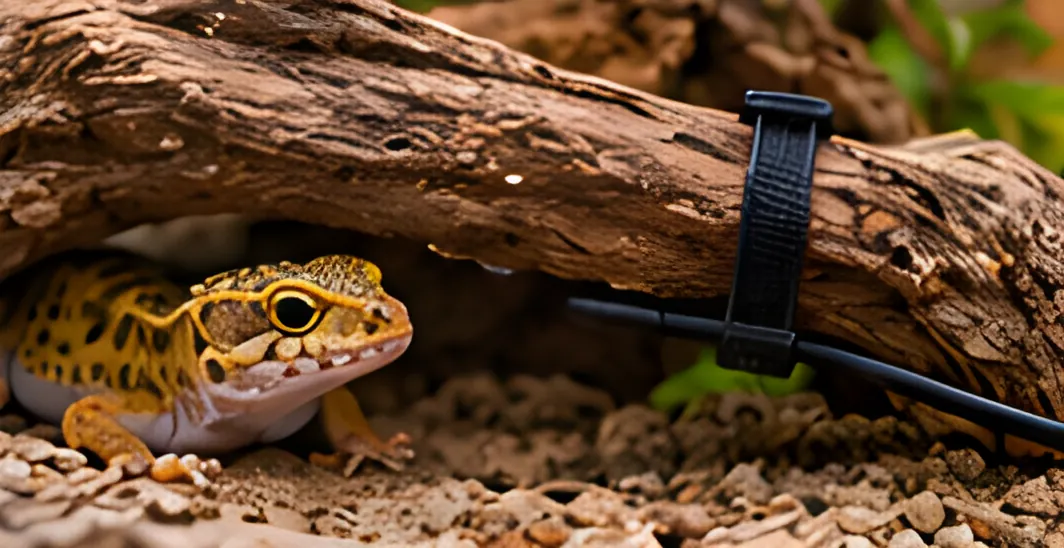 Where should a reptile thermostat probe go?Probe placement is one of those small details that can change how the whole heating system behaves. The useful answer is not one magic centimetre measurement — it is understanding what the probe is meant to control and making sure it stays there.
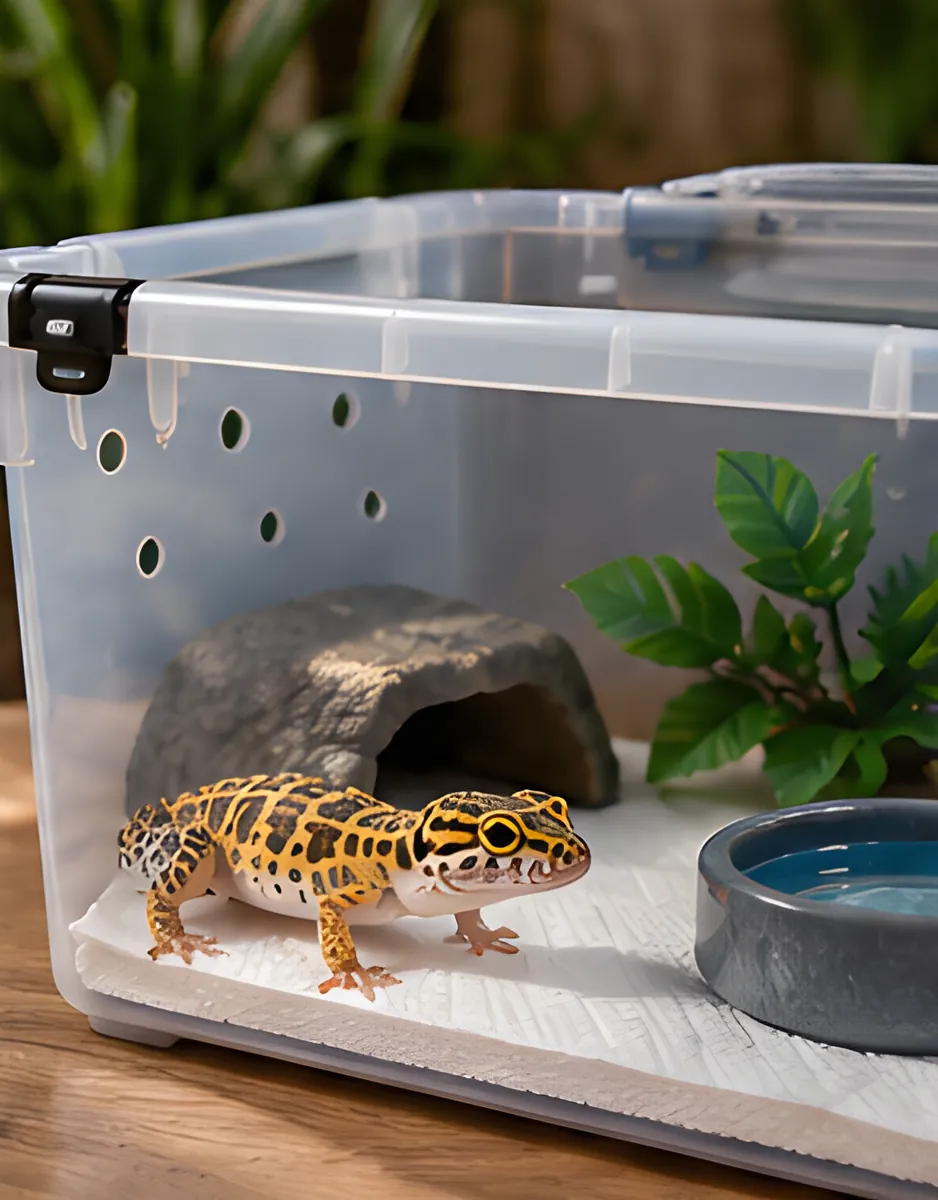 A practical reptile quarantine enclosurePlan a practical reptile quarantine enclosure with separable equipment, visible waste, secure housing and veterinarian-led escalation.
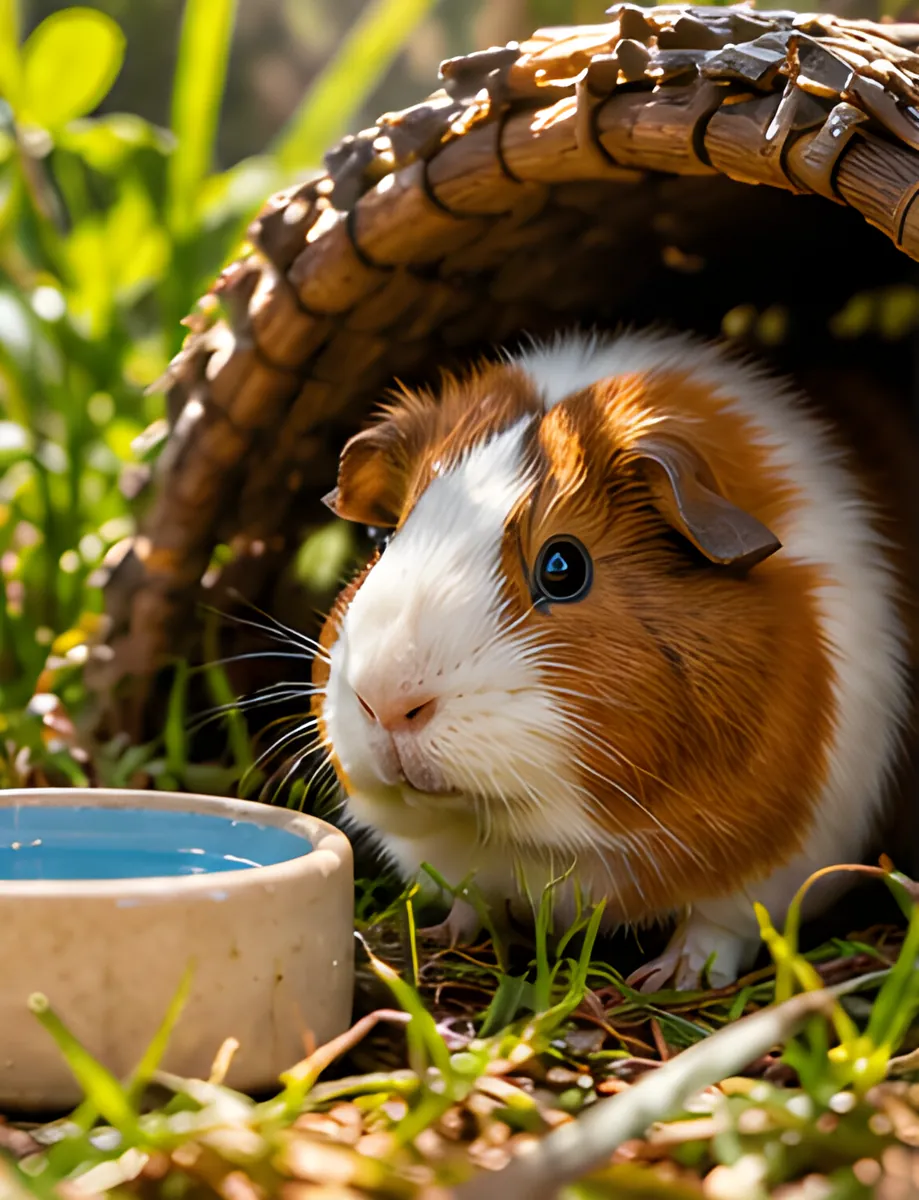 Guinea pigs and Australian heatAustralian guinea-pig heat-safety planning covering enclosure location, monitoring, shade, cooling options, transport and emergency veterinary escalation.
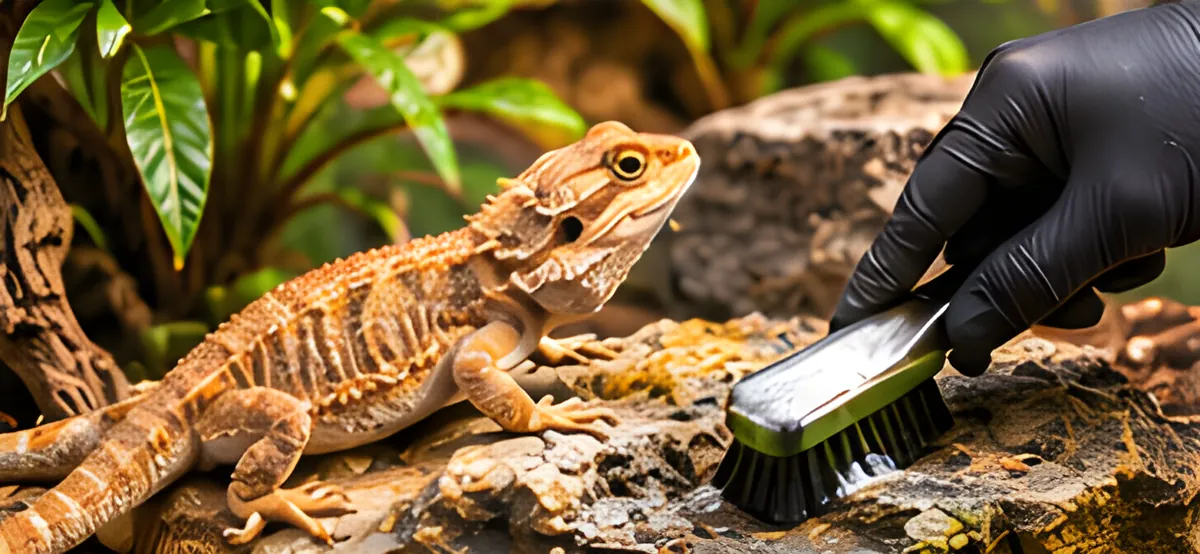 A reptile enclosure cleaning schedule that protects the habitatBuild a practical reptile enclosure cleaning schedule around daily observation, targeted cleaning, equipment checks and material compatibility.
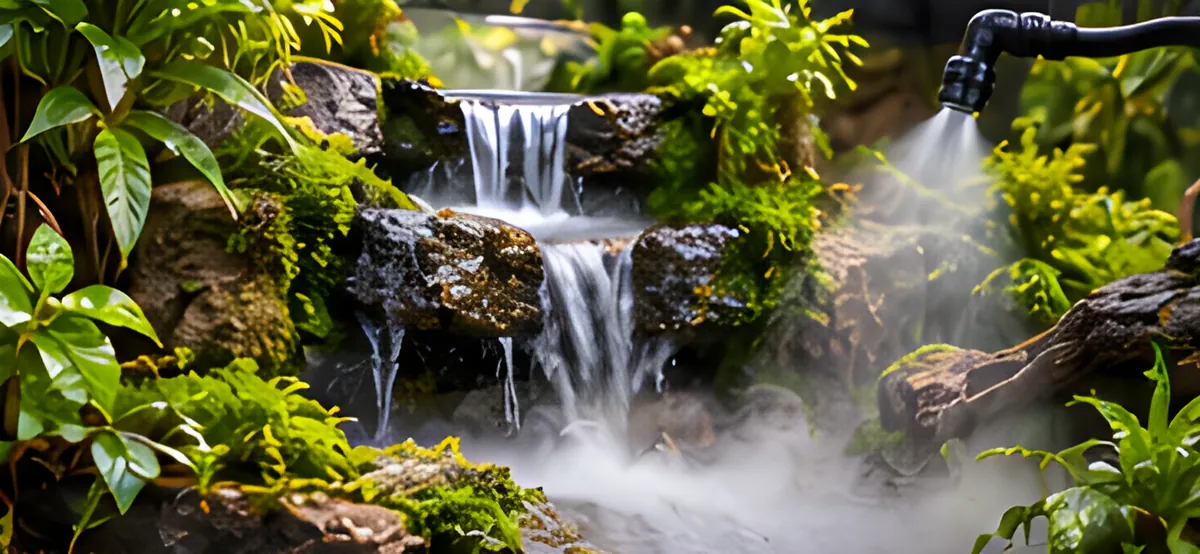 Adding a Waterfall, Fogger or Misting System to an EnclosureWant a waterfall, fogger or misting system built into your enclosure? Here are the practical things to plan first so it still works, drains and can be cleaned later.
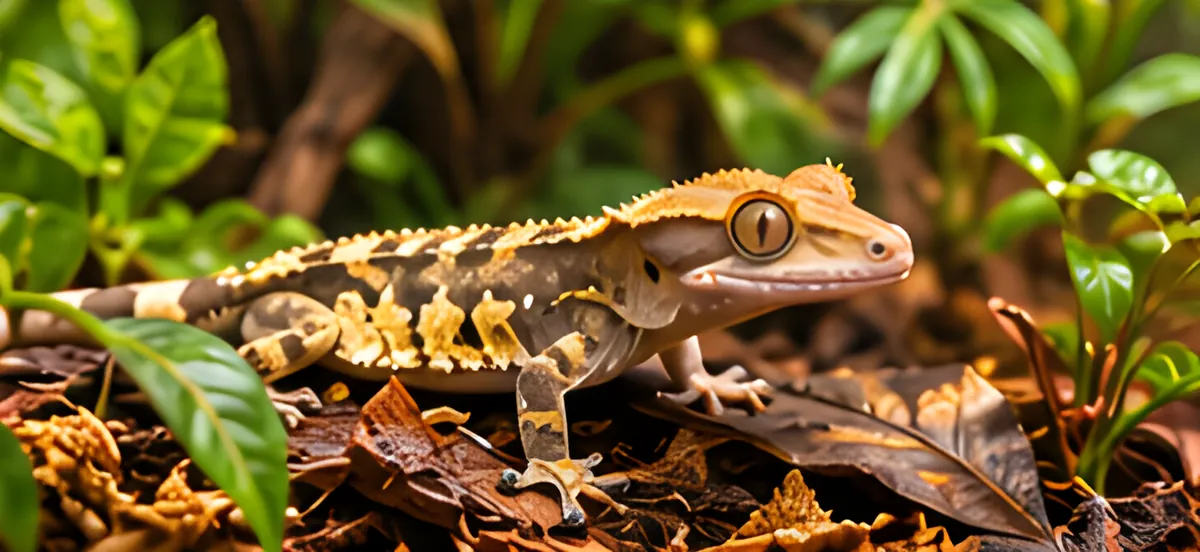 Bioactive reptile enclosures in AustraliaA practical Australian guide to deciding whether a bioactive reptile enclosure is suitable, maintainable and safe for the animal and keeper.
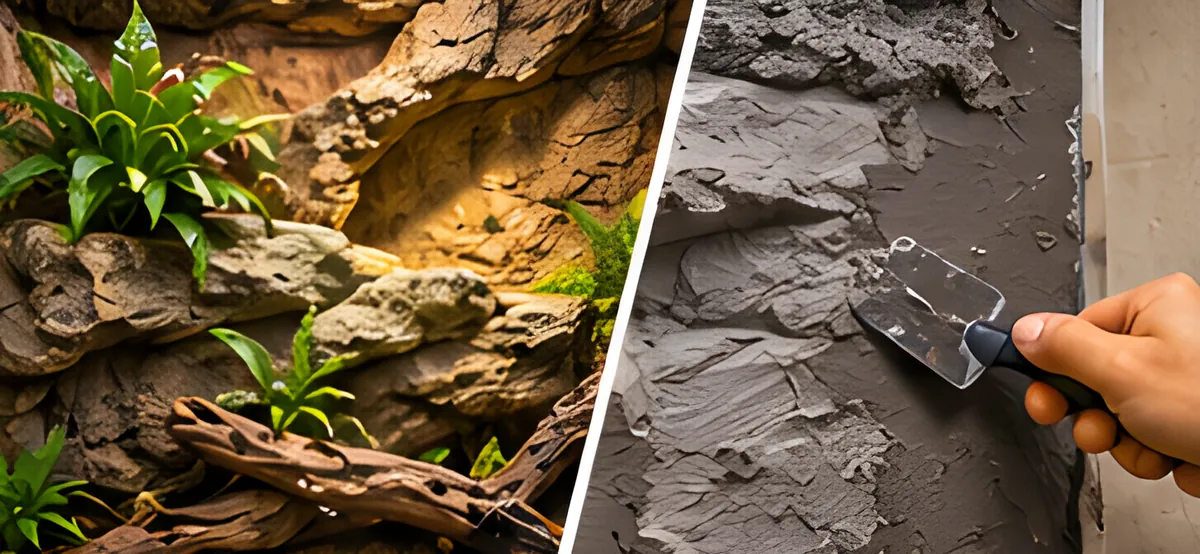 Custom reptile backdrop vs DIYDIY can be a great choice. Custom fabrication makes more sense when fit, complexity, access or the time involved matters more than doing every step yourself.
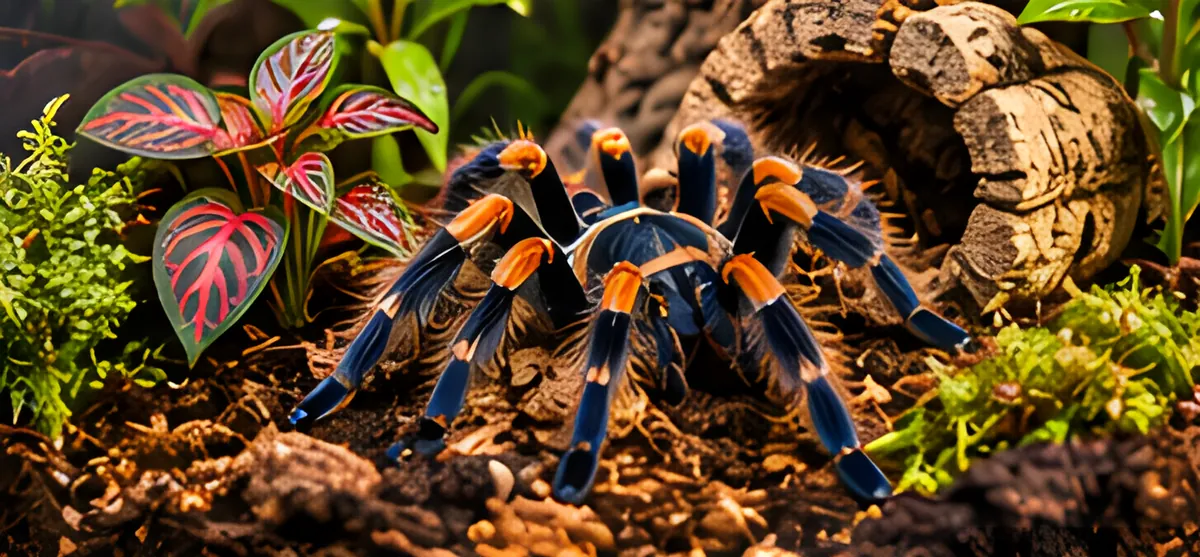 Designing an invertebrate terrariumPractical Australian invertebrate terrarium design guide covering escape-proof gaps, moulting space, ventilation, substrate depth, web anchors and removable custom pieces.
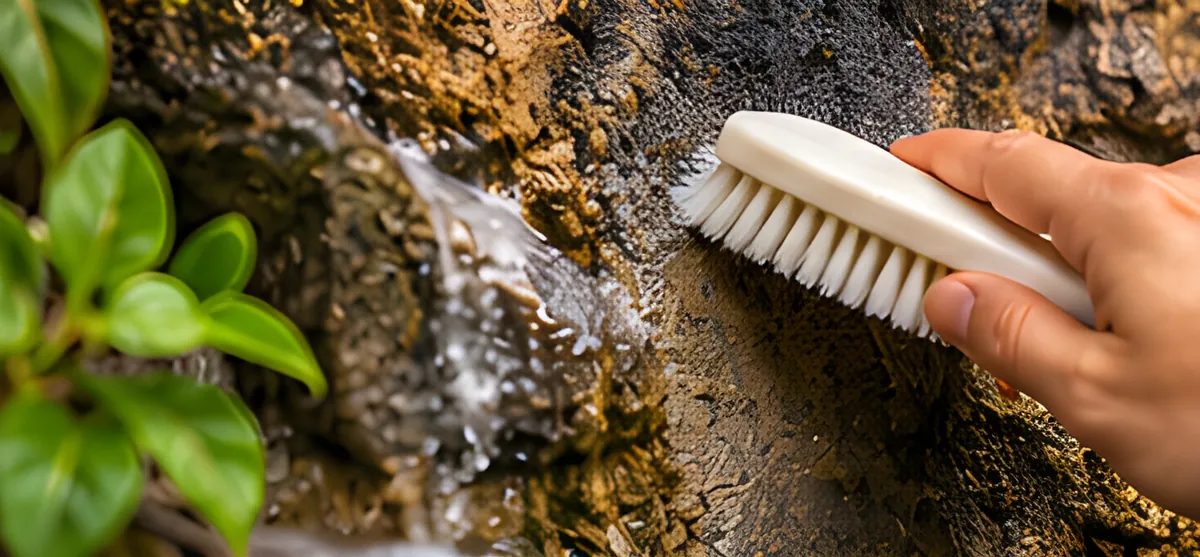 How do you clean a custom reptile backdrop?The best time to think about cleaning is before the backdrop is built. Good texture should look natural without turning routine maintenance into an archaeological dig.
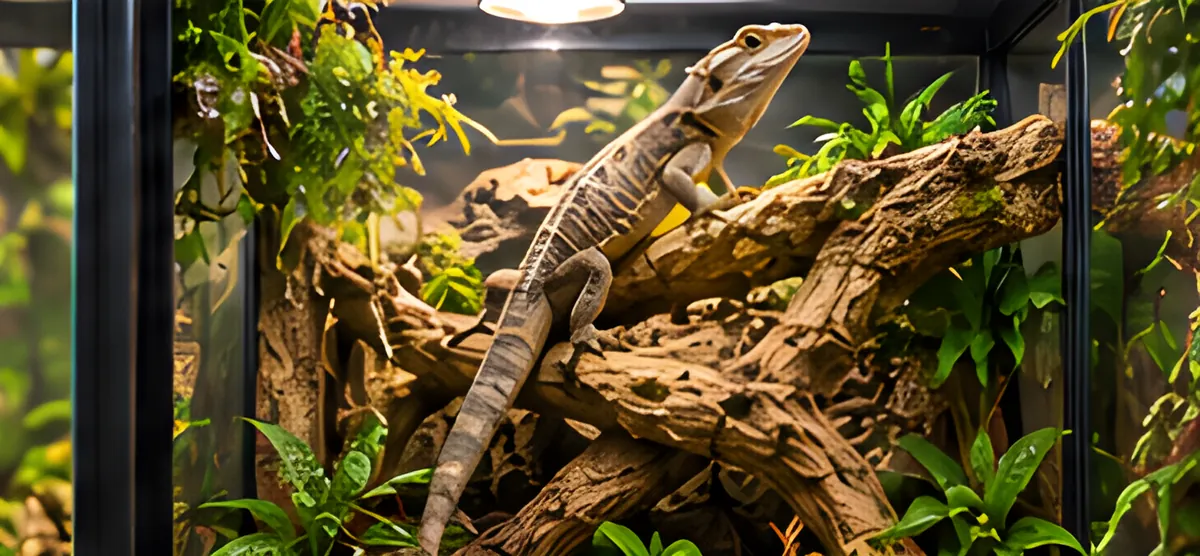 How to make reptile enclosure height actually usefulA tall enclosure is not automatically a usable enclosure. The animal needs sensible routes, resting places and ways to move back down — not a collection of tiny shelves stuck to a wall.
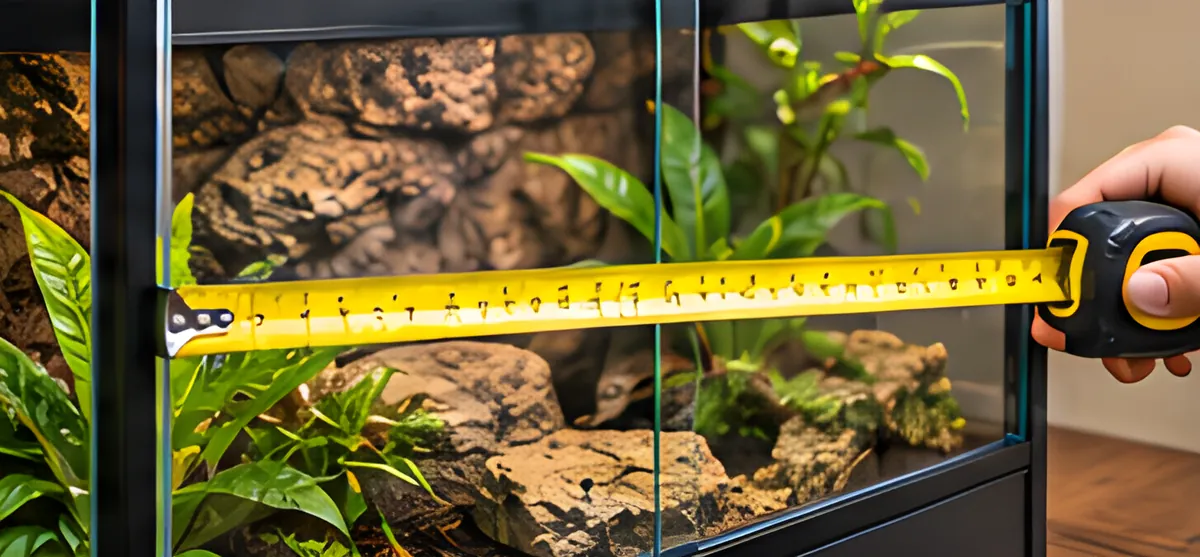 How to Measure a Reptile EnclosureHow to measure a reptile enclosure for a custom backdrop: usable width, height and depth plus tracks, vents, silicone, braces and obstructions.
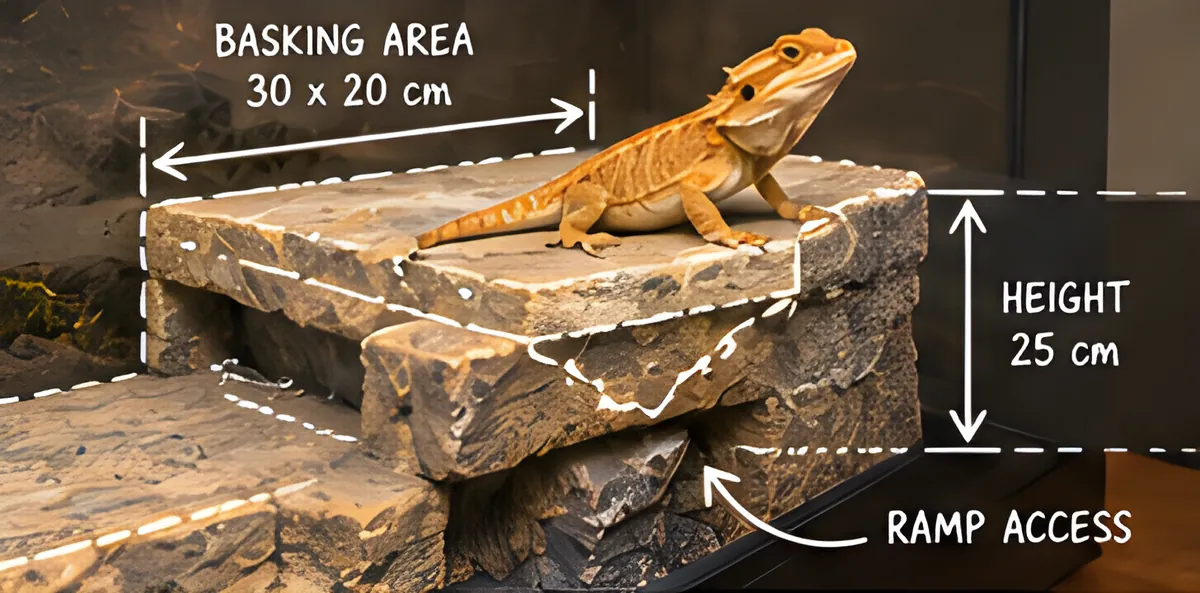 How to plan a reptile basking ledge before you build itA basking ledge should be a useful place for the animal, not just the dramatic shelf in the middle of the backdrop. Its size, height and position affect heating, lighting, access and the rest of the climbing route.
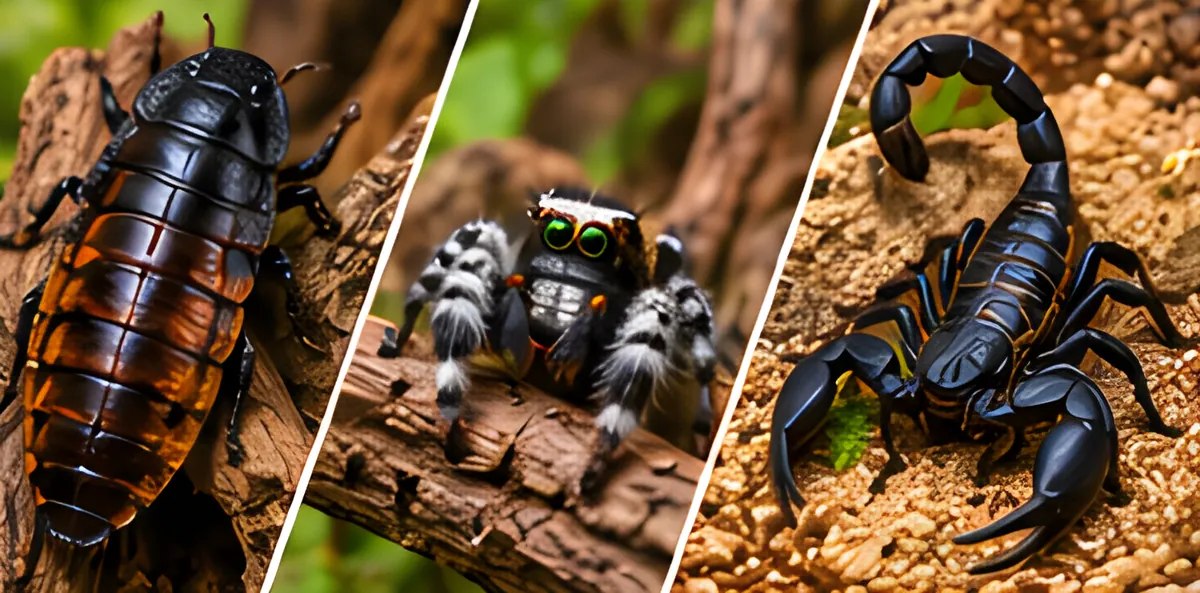 Keeping insects, spiders & scorpions in AustraliaAustralia-wide guide to legally sourcing and keeping pet invertebrates, including overseas import restrictions, state wildlife licensing differences and responsible captive sourcing.
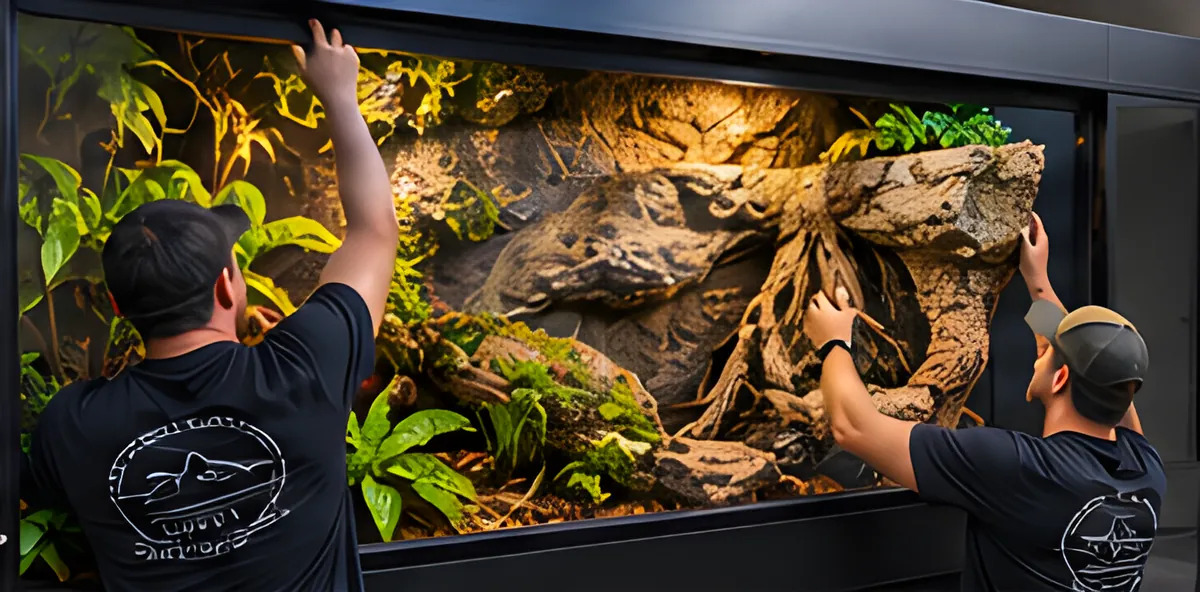 Large Custom Reptile Backdrop Pickup & InstallationFor large custom backdrops, customer pickup is our most common handover. You can also bring the enclosure to Oddball for direct-fit work, ask about installation, or request a custom quote for oversized freight.
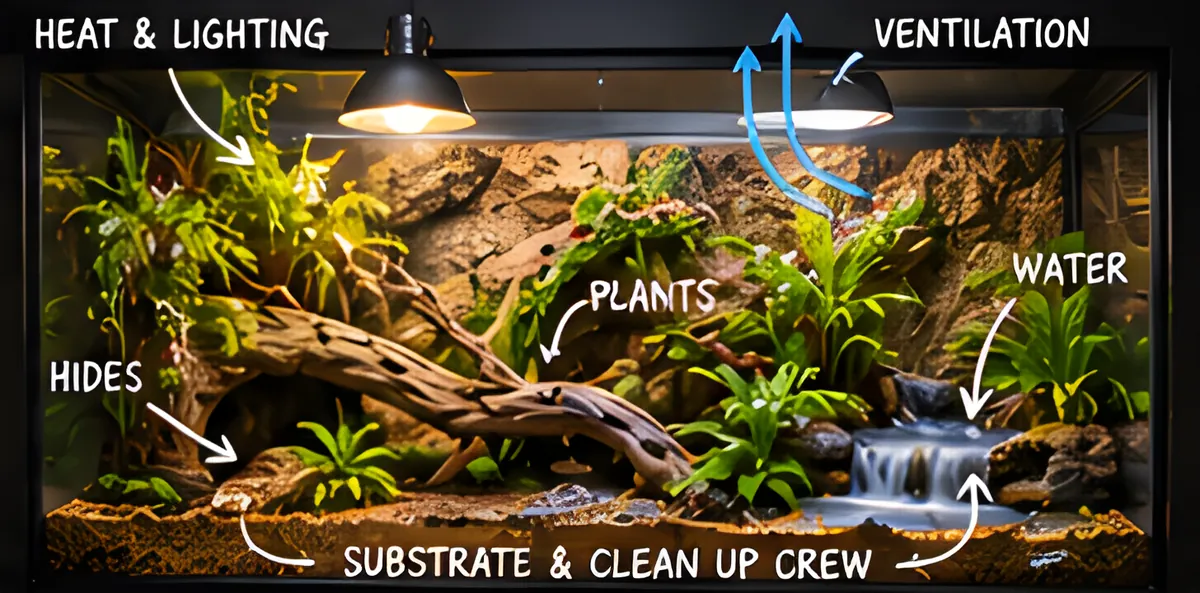 Plan a reptile habitat as a systemAn Australia-first framework for planning reptile heat, UVB, ventilation, substrate, cleaning and quarantine before buying equipment.
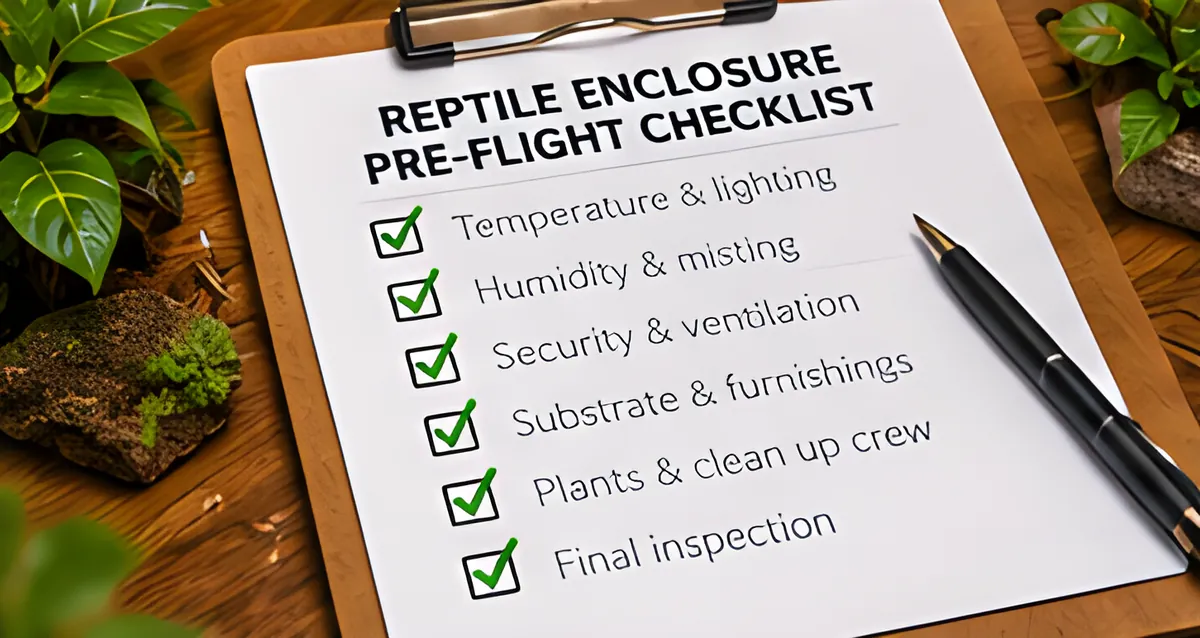 Reptile enclosure pre-flight checklistA finished-looking enclosure is not necessarily a finished setup. Run it, measure it, inspect it and make the annoying little adjustments before the animal depends on it.
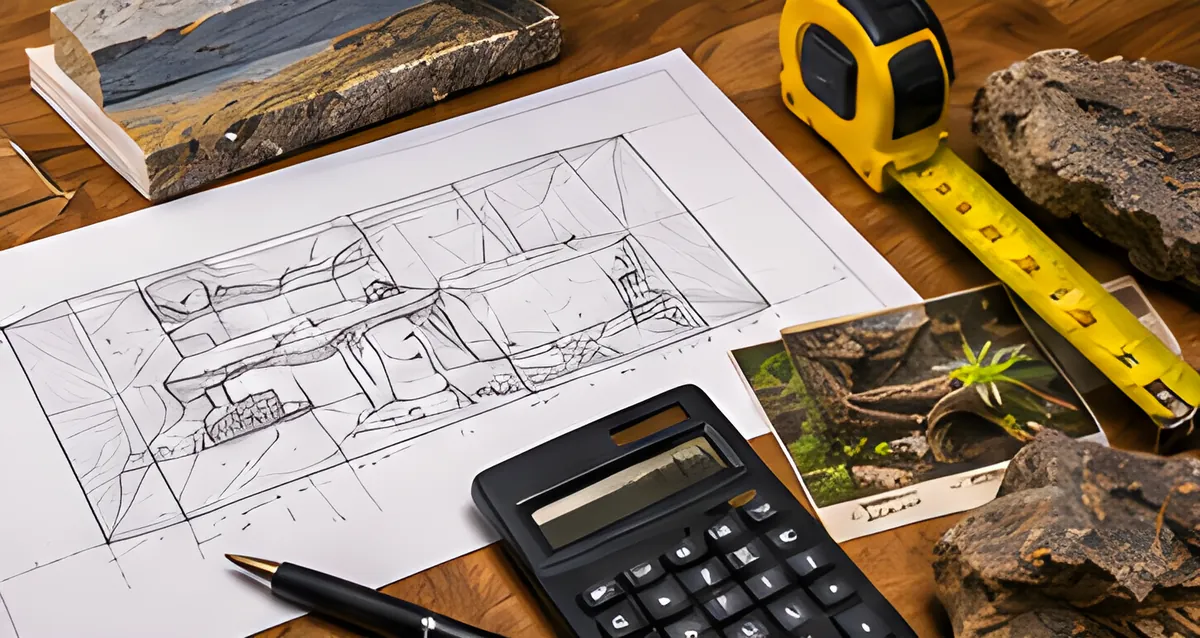 What Do I Need for a Custom Reptile Backdrop Quote?Want a custom reptile backdrop but not sure what to send us? This simple guide covers the photos, measurements and ideas Oddball needs to get started.
No guides match that yet. Ask us and we might write it next.
What are you trying to work out?
Search the guides or jump into a topic. You do not need to know the right reptile-keeping jargon first.
Enclosure ideas by species.
These guides explain how different animals use their space and where custom features such as ledges, hides, branches and backdrops can actually be useful.
Bearded dragon enclosure guide
Basking areas, climbing routes, hides, lighting space and ways to make better use of the back wall.
Read guide →BLUE-TONGUEBlue-tongue enclosure guide
Floor space, low hides, basking areas, substrate depth and scenery that does not crowd a ground-dwelling skink.
Read guide →CARPET PYTHONCarpet python enclosure guide
Strong climbing routes, branches, elevated resting areas, hides and access for a larger semi-arboreal snake.
Read guide →CHILDREN'S PYTHONChildren's python enclosure guide
Secure hides, compact climbing opportunities, heating zones and ways to add structure without overcrowding the tank.
Read guide →GREEN TREE FROGGreen tree frog enclosure guide
Vertical perches, plants, clean water, misting, drainage and places to hide during the day.
Read guide →KNOB-TAILED GECKOKnob-tailed gecko enclosure guide
Deep substrate, low hides, humid retreats and desert-style scenery designed around a small ground-dwelling gecko.
Read guide →Compare the controller after you understand the job.
Three connected guides cover the current Australian shortlist, control methods and visible heat lamps.
Reptile thermostats compared
Ten locally visible options with best-use labels, limitations and honest buying checks.
Open the comparison →Dimming · switching · pulseWhich control method?
Understand what the thermostat does to the heater before comparing features.
Choose the control style →Basking lamps · dimmingThermostats for heat lamps
A focused guide to dimming control, probe placement and common basking setup traps.
Open the heat-lamp guide →Know what the gear is doing before you buy it.
Our new equipment desk separates Oddball-made habitat pieces from specialist gear such as thermostats, UVB, heating and monitoring.
Bearded dragon complete setup
See how custom habitat pieces, heating, UVB, control and monitoring fit together before the enclosure is built.
Open setup guide →Equipment hub · buying guidesReptile equipment desk
A practical starting point for thermostats, heating, UVB and temperature/humidity monitoring.
Browse equipment guides →Control · safety · compatibilityReptile thermostats explained
Dimming, pulse proportional and on/off control — and why the heater type matters.
Read thermostat guide →Lighting · UVB · layoutUVB lighting planning
Plan lamp output, distance, obstruction and service access before permanent scenery goes in.
Read UVB guide →Heating · gradients · controlReptile heating explained
Build a usable warm-to-cool gradient rather than simply making the enclosure hot.
Read heating guide →Monitoring · probes · surfacesThermometers & hygrometers
Verify the conditions the animal actually experiences with the right type of measurement.
Read monitoring guide →Small terrariums. Serious little design problems.
Australian-first guides for commonly kept and niche invertebrates, plus micro backdrops and accessories built around moulting, burrowing, webbing and escape-proof access.
Invertebrate terrarium guide hub
Choose the animal first, then build around how it climbs, hangs, webs, burrows or hides.
Browse invertebrate guides →COMMON STARTERSpiny leaf insect enclosure
Moulting height, airflow, food branches and tiny-hatchling containment.
Read guide →MICRO SPIDERJumping spider terrarium
Vertical hunting surfaces, web retreats and escape-proof micro structure.
Read guide →PREDATORY INSECTPraying mantis enclosure
Overhead perches, clear moult drops and live-prey access without clutter.
Read guide →NICHE INSECTGiant burrowing cockroach setup
Substrate, leaf litter and hardscape that cannot be undermined by digging.
Read guide →EXPERIENCED KEEPERAustralian tarantula enclosure
Secure lids, burrow-friendly structure, legal sourcing and tool-first maintenance.
Read guide →EXPERIENCED KEEPERAustralian scorpion enclosure
Burrowers versus crevice dwellers, stable hardscape and containment.
Read guide →AUSTRALIA-SPECIFICLegal sourcing & keeping rules
Why overseas species lists do not apply here and where to check current local rules.
Read guide →CUSTOM MICRO HABITATSMicro backdrops & accessories
Thin textured panels, branch mounts, burrow starters, tiny hides and one-off terrarium pieces.
See what we can make →Build the habitat as a system.
Seven practical, Australia-first guides covering substrate, bioactive builds, airflow, quarantine, maintenance and equipment safety—with custom help where it genuinely adds value.
Plan a reptile habitat as a system — not a shopping list
An Australia-first framework for planning reptile heat, UVB, ventilation, substrate, cleaning and quarantine before buying equipment.
Read guide →BIOACTIVE PLANNINGBioactive reptile enclosures in Australia: what “working” actually means
A practical Australian guide to deciding whether a bioactive reptile enclosure is suitable, maintainable and safe for the animal and keeper.
Read guide →MATERIALS DECISIONChoosing reptile substrate in Australia without chasing one “best” product
A decision-led Australian reptile substrate guide covering species behaviour, moisture, ingestion risk, cleaning, quarantine and bioactive use.
Read guide →ENVIRONMENTAL CONTROLReptile enclosure ventilation and humidity: design the relationship
Plan reptile enclosure ventilation and humidity together, with practical Australian room-climate, monitoring and maintenance considerations.
Read guide →NEW ANIMAL PROTOCOLA practical reptile quarantine enclosure: simple enough to observe
Plan a practical reptile quarantine enclosure with separable equipment, visible waste, secure housing and veterinarian-led escalation.
Read guide →MAINTENANCE SYSTEMA reptile enclosure cleaning schedule that protects the habitat
Build a practical reptile enclosure cleaning schedule around daily observation, targeted cleaning, equipment checks and material compatibility.
Read guide →FREE PRINTABLE CHECKLISTReptile heat and lighting safety checklist
A printable Australian reptile enclosure preflight checklist for heaters, thermostats, probes, UVB, cables, monitoring and post-change verification.
Read guide →Small pets deserve serious habitat design.
Australian-first housing, heat, enrichment and soft-goods guidance—connected to genuine Oddball-made products where they solve the right problem.
Small-pet habitats that support real behaviour
Australian habitat planning for guinea pigs, rats and mice, including housing, enrichment, heat safety, hammocks and easy-clean custom pieces.
Read guide →SMALL-PET GUIDEGuinea-pig enclosure setup: protect the floor space
Plan an Australian guinea-pig enclosure with generous usable floor space, companions, hides, bedding, enrichment, cleaning access and heat protection.
Read guide →SMALL-PET GUIDEGuinea pigs and Australian heat: plan before the hot day
Australian guinea-pig heat-safety planning covering enclosure location, monitoring, shade, cooling options, transport and emergency veterinary escalation.
Read guide →SMALL-PET GUIDERat cage setup: make vertical space usable
Australian pet-rat cage setup covering compatible companions, usable climbing routes, hammocks, hides, substrate, enrichment, cleaning and household safety.
Read guide →SMALL-PET GUIDERat hammocks: placement, inspection and washing
A practical rat-hammock guide covering cage placement, fall routes, attachment hardware, chewing inspections, washing, rotation and retirement.
Read guide →SMALL-PET GUIDEMouse enclosure setup: security, burrowing and tiny-scale complexity
Australian pet-mouse enclosure planning covering secure ventilation, social considerations, substrate depth, hides, climbing, enrichment and cleaning.
Read guide →SMALL-PET GUIDESmall-pet hammock safety: fit, inspect, wash, retire
A practical small-pet hammock safety guide for guinea pigs, rats and other appropriate pets, covering fit, fall risk, chewing, attachments and cleaning.
Read guide →Simple answers before you enquire.
You do not need to understand fabrication terminology. These guides explain what we need from you and what happens in common custom-project situations.
What do I need to send Oddball?
The photos, basic measurements and information we need to start designing and quoting a custom enclosure backdrop.
See what to send us →LARGE BACKDROP HANDOVERPickup, bring the enclosure to us, Oddball installation or self-install?
For large backdrops, collection is our most common option. You can also bring the empty enclosure to us for direct-fit work, or ask about installation where practical. Self-install is still possible, while oversized freight is assessed and quoted case-by-case.
Compare handover options →WATER · FOG · MISTWant a waterfall, fogger or misting system?
What needs to be planned so pumps, tubing, reservoirs and cleaning access do not disappear permanently behind the scenery.
Plan a water or fog feature →Complete setups & equipment guides.
Understand what each part does before you spend money on it.
Blue-tongue complete setup
Plain-English advice, what to check first and useful equipment options.
Read guide →NEW PRACTICAL GUIDEChildren's python complete setup
Plain-English advice, what to check first and useful equipment options.
Read guide →NEW PRACTICAL GUIDECarpet python complete setup
Plain-English advice, what to check first and useful equipment options.
Read guide →NEW PRACTICAL GUIDETimers & smart controls
Plain-English advice, what to check first and useful equipment options.
Read guide →NEW PRACTICAL GUIDECleaning equipment
Plain-English advice, what to check first and useful equipment options.
Read guide →NEW PRACTICAL GUIDEHumidity, misting & fog
Plain-English advice, what to check first and useful equipment options.
Read guide →NEW PRACTICAL GUIDEEnclosure cameras
Plain-English advice, what to check first and useful equipment options.
Read guide →Send us the enclosure and tell us what is annoying you.
You do not need to design the solution yourself. A few photos, rough dimensions and a sentence about what you want to improve are enough to start.
Practical answers, not filler.
Short questions often hide expensive mistakes. These guides go deeper into the little decisions that make an enclosure easier to build, run and maintain.
Where should a reptile thermostat probe go?
Probe placement is one of those small details that can change how the whole heating system behaves. The useful answer is not one magic centimetre measurement — it is understanding what the probe is meant to control and making sure it stays there.
Read the full guide →NEW PRACTICAL GUIDEHow do you clean a custom reptile backdrop?
The best time to think about cleaning is before the backdrop is built. Good texture should look natural without turning routine maintenance into an archaeological dig.
Read the full guide →NEW PRACTICAL GUIDEHow to make reptile enclosure height actually useful
A tall enclosure is not automatically a usable enclosure. The animal needs sensible routes, resting places and ways to move back down — not a collection of tiny shelves stuck to a wall.
Read the full guide →NEW PRACTICAL GUIDECustom reptile backdrop vs DIY: which makes sense?
DIY can be a great choice. Custom fabrication makes more sense when fit, complexity, access or the time involved matters more than doing every step yourself.
Read the full guide →NEW PRACTICAL GUIDEReptile enclosure pre-flight checklist
A finished-looking enclosure is not necessarily a finished setup. Run it, measure it, inspect it and make the annoying little adjustments before the animal depends on it.
Read the full guide →NEW PRACTICAL GUIDEHow to plan a reptile basking ledge before you build it
A basking ledge should be a useful place for the animal, not just the dramatic shelf in the middle of the backdrop. Its size, height and position affect heating, lighting, access and the rest of the climbing route.
Read the full guide →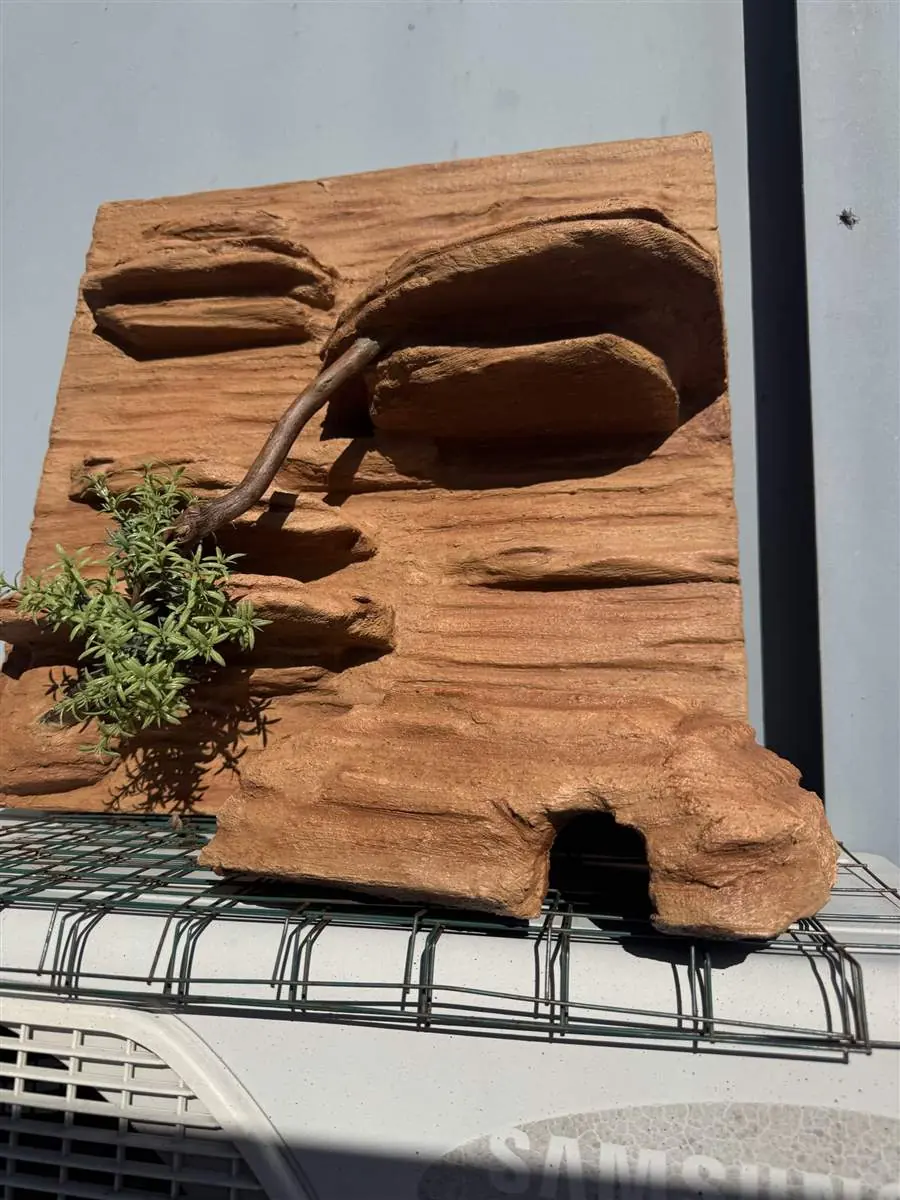
Real build · Children’s python · 2 ft × 2 ft
A blank wall became a whole little landscape.
Climbing shelves, resting pockets, an integrated branch and a surprise matching hide — shaped as one useful habitat rather than decoration pasted on at the end.