Meet the Ridge-tailed monitor
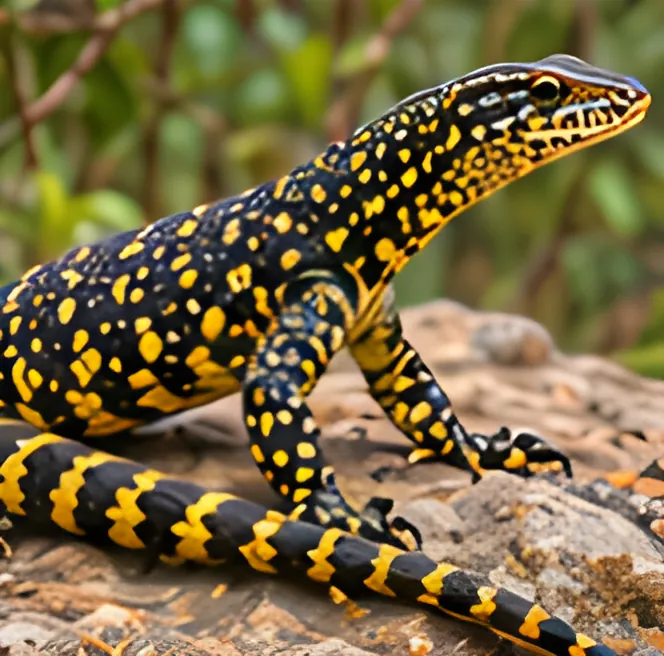
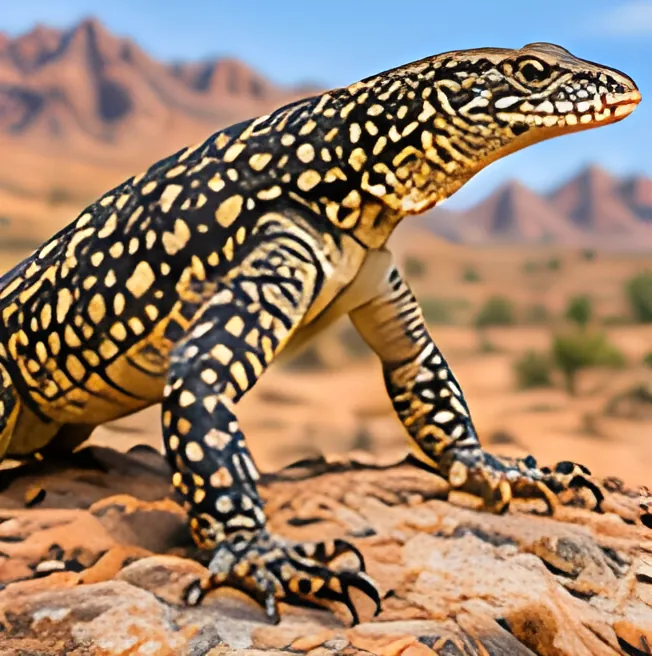
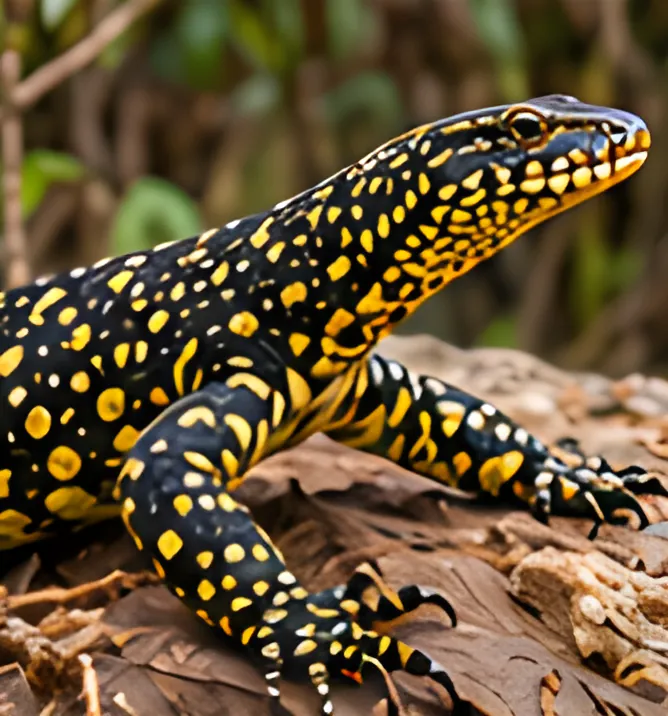
The ridge-tailed monitor, better known to keepers as the ackie, is a small, powerfully built goanna of rocky northern Australia. It is chocolate brown with bright yellow or cream rings and spots, and its long tail is armed with rows of spiny scales.
Ackies shelter in rock crevices and burrows, where the air stays more humid than the surrounding desert. When threatened, they can block the entrance with their spiny tail, which can be swung like a club.
They are active, intensive foragers that eat mostly grasshoppers, beetles, spiders and other invertebrates, with small lizards and mammals making up a smaller part of the diet. Remarkably, about 70 per cent of their water needs come from their food.
George Albert Boulenger described the species in 1885. The species name acanthurus means 'spiny tail'. Several subspecies are recognised, and keepers know the forms as 'red ackies' and 'yellow ackies'.
Where it lives
Arid and tropical northern Australia, including northern Western Australia, the Northern Territory and north-west Queensland, with island populations on Groote Eylandt and the Wessel Islands. Lives in rocky ranges and outcrops.
Keeper’s guide
Keeping a Ridge-tailed monitor
Why keepers love them
Ackies (spiny-tailed monitors) give you the intelligence and personality of a goanna in a size that fits in a home.
They are constantly digging, exploring and hunting, so they are one of the most entertaining lizards to watch.
A great match if you…
- You have kept a dragon or skink and want more of a challenge
- You can provide deep substrate and a hot basking spot
- You want an active, interactive lizard
Think twice if you…
- You want a lizard to cuddle
- You are not prepared for daily insect feeding
Before you buy
- They need much hotter basking temperatures than most pet lizards, and deep substrate to dig.
- Juveniles eat a lot of insects every day.
- Many are flighty when young and calm down as they grow.
Setting up the enclosure
- Adult enclosure
- At least about 1.2–1.5 m long × 0.6 m deep × 0.6–0.9 m high, with 30 cm+ of substrate.
- Heat
- A basking surface of about 55–60 °C, warm end about 35 °C, cool end about 25 °C.
- Lighting
- Strong UVB over the basking area, 12–14 hours a day.
- Humidity
- Low air humidity, with deep substrate that is slightly damp lower down so burrows hold their shape.
- Furnishings
- Rock stacks (secured), basking slabs and deep, diggable soil.
Figures are typical starting points for adults. Measure temperatures with a thermometer at the surface the animal sits on, run every heat source through a thermostat, and adjust to how your animal behaves.
Feeding
Mostly insects (roaches, crickets, worms), with occasional pinkies or egg for adults. Dust with calcium.
Handling
Start with hand-feeding from tongs and short sessions. Many become tolerant but rarely enjoy long handling.
Advanced keeper tips
- Pack the substrate so tunnels hold; you will see them build complex burrow systems.
- Use a laser thermometer on the basking rock. A too-cool ackie will be lethargic and eat less.
- Feed insects in a dish or scatter them to encourage hunting.
Health watch-list
- Metabolic bone disease: soft jaw, shaky legs or kinked spine. Caused by too little UVB, calcium or heat. Prevent it with good UVB and supplements.
- Stuck shed on toes and tail tips can cut off circulation. Raise humidity and give a rough surface to rub on.
- Mouth rot (redness, swelling or cheesy material in the mouth): see a reptile vet.
- Parasites: get a faecal check after buying and whenever weight drops.
- Obesity: adults need fewer meals than juveniles.
Find a reptile-experienced vet before you need one, and book a check-up soon after a new animal arrives.
Licences & the law
Available under licence in several states, often in a higher class than dragons. Check your state.
Check your state’s current list:QLDNSWVICSAWANTTASACT
Every native reptile and frog is protected. Never take one from the wild: buy captive-bred animals from a licensed keeper, keep the paperwork, and note that Tasmania does not allow mainland reptiles to be brought into the state.