Invertebrate terrariums: small enclosure, real design problem.
Invertebrate enclosures are not just miniature reptile tanks. A few millimetres of gap can become an escape route, a decorative shelf can interrupt a moult, and the wrong hardscape can block the exact burrow or web site the animal needs. This hub starts with behaviour first, then works out what the enclosure should actually do.
Common startersSpiny leaf insects · jumping spiders · mantids
Australia ruleDo not import live invertebrate pets from overseas
01
Start with how the animal uses space
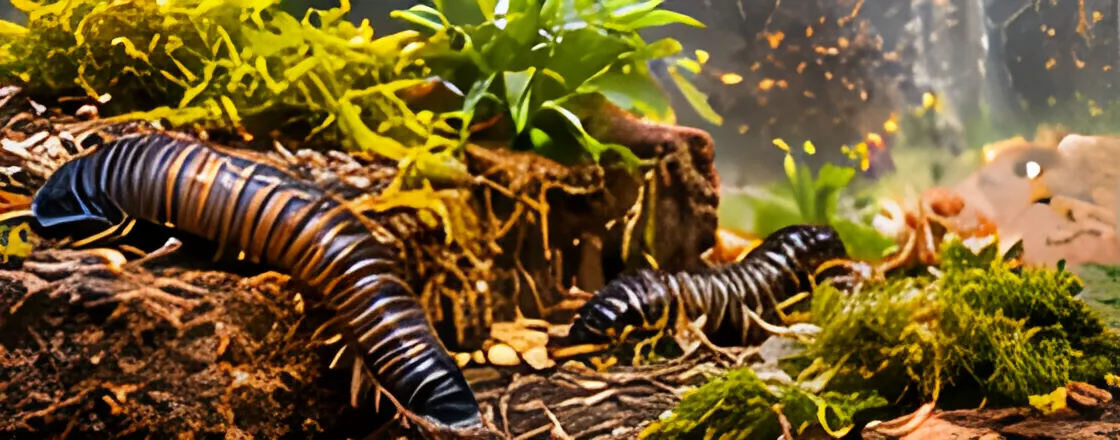
Arboreal insects need clear hanging and moulting room. Jumping spiders use vertical surfaces and daylight hunting routes. Burrowing cockroaches and many Australian tarantulas care far more about substrate and retreat structure than decorative height. Scorpions can be burrowers, crevice dwellers or surface hunters depending on species.
That is why our small-terrarium work is built around the animal's movement mode first: hang, climb, web, burrow, hide or ambush.
Australian tarantulas and scorpions attract serious keepers because the animals are fascinating and the habitat can be beautifully specialised. They also need more disciplined containment and legal checking. Queensland, for example, regulates native Theraphosidae and Urodacus scorpions under its wildlife licensing framework.
For these animals, Oddball's design role is not to make a tiny theme park. It is to create secure, serviceable structure: burrow starters, removable hides, stable ledges, visual barriers, substrate-retaining panels and safe access for maintenance tools.
04
What we can make for micro terrariums
Micro backdrops
Thin rear or side panels that add grip and visual depth without swallowing useful enclosure volume.
Branch + web anchors
Purpose-placed attachment points for removable twigs, bark, silk retreats or planted structure.
Burrow / hide modules
Low-profile, removable structures that provide a retreat without placing heavy scenery over loose substrate.
Food + water stations
Small removable recesses, branch holders and access features that make routine care easier.
Australia does not allow insects, spiders, scorpions and other terrestrial invertebrates to be imported as ordinary pets from overseas. State and territory rules can also differ for keeping, taking, moving or trading native fauna. That means a care guide should never assume an overseas hobby species list applies here.
Are invertebrate terrariums suitable for custom backdrops?
Yes, but the backdrop usually needs to be thinner and more behaviour-specific than a reptile backdrop. Escape gaps, moulting clearance, web anchors and substrate depth matter more than dramatic bulk.
Can Oddball build a tiny backdrop for a jumping spider or mantis enclosure?
Yes. Send the exact enclosure dimensions, door/vent layout and species. We can plan thin textured panels, anchor points and removable structure around the available space.
Do you sell live insects or spiders?
No. Oddball focuses on habitat pieces and enclosure accessories. Animal sourcing and any required licences remain the keeper’s responsibility.
Have a tiny weird enclosure problem?
Good. Those are fun.
Send the species, enclosure photos and internal dimensions. We can work out whether a micro backdrop, hide, branch mount or one-off accessory would actually improve the habitat.