Meet the Carpet python
The carpet python is Australia's most widespread and adaptable python, at home in more habitat types than any of its relatives. It ranges from tropical rainforest to river red gums and suburban backyards, and its colours change dramatically across its range.
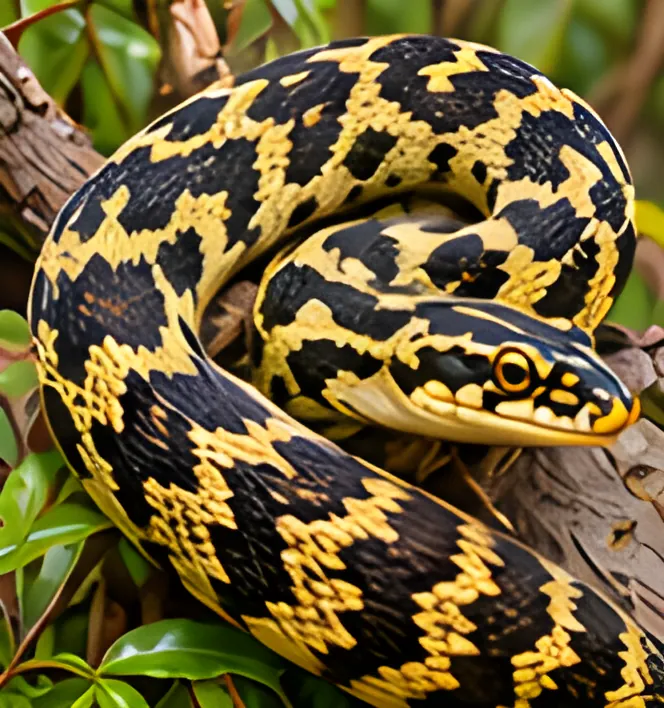
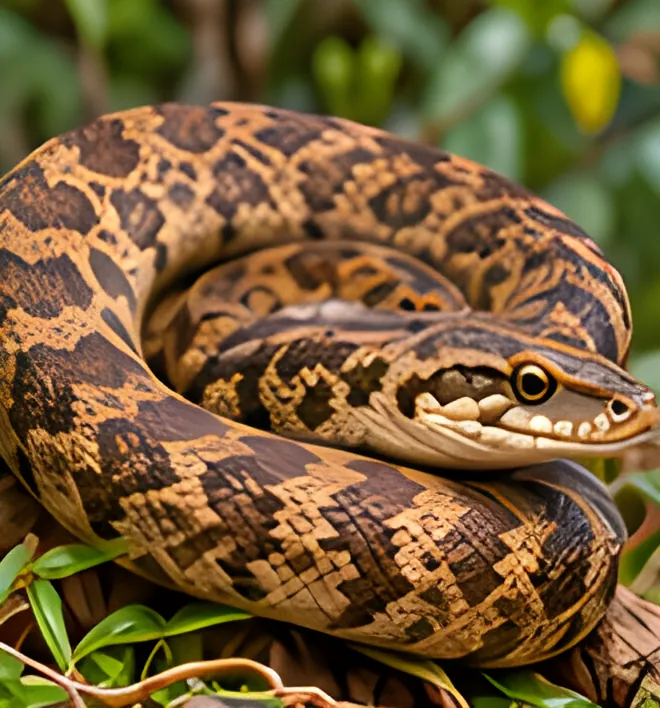
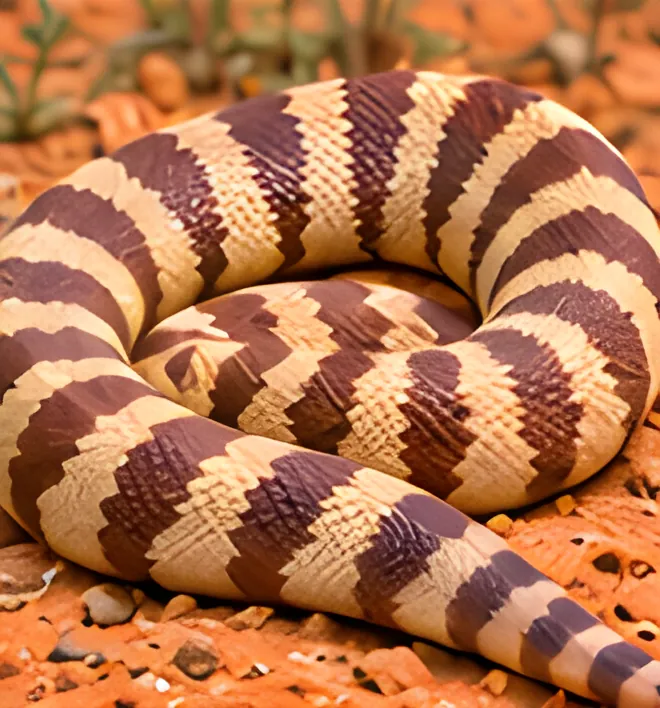
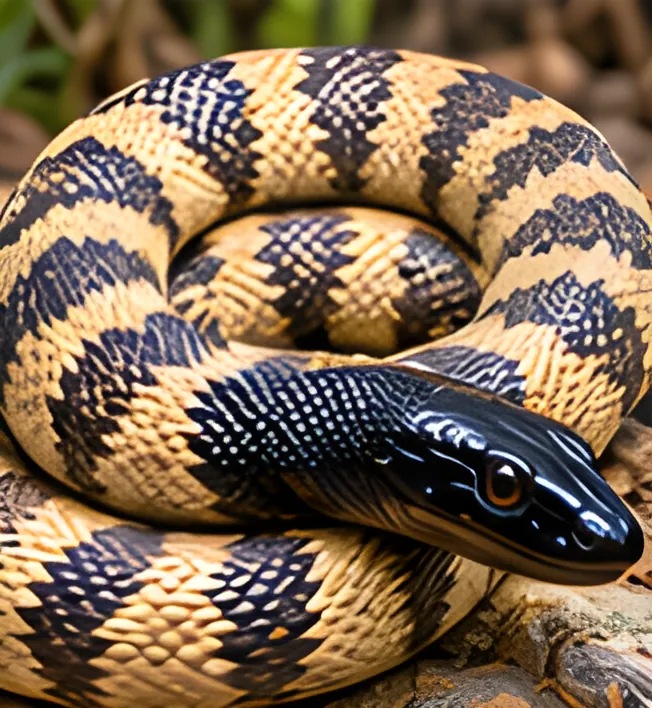
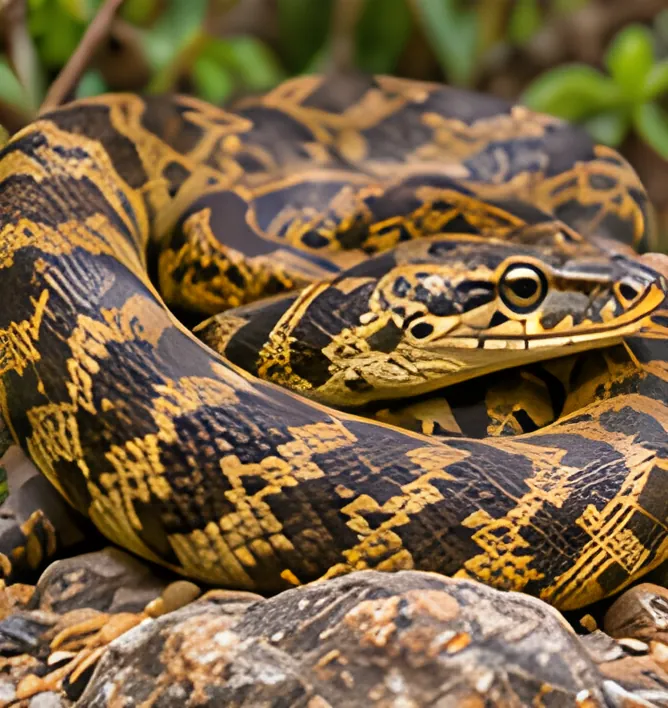
The diamond python of coastal NSW and eastern Victoria is black with cream-yellow diamond spots and is the world's most southerly python, coping with cool winters. The coastal carpet python of eastern Queensland is the largest form, while the jungle carpet python of the Wet Tropics is famous for its bold black and yellow.
Carpet pythons are ambush predators that constrict their prey. Females lay up to about 50 eggs and coil around them, and can raise their body temperature by shivering-like muscle contractions to warm the clutch.
The species was described by Lacépède in 1804 as Coluber spilotus, making it one of the first Australian snakes known to European science.
Where it lives
The most widespread Australian python, found through most of mainland Australia except the driest centre, plus New Guinea; different subspecies occupy the east coast, the north, the Murray-Darling and parts of SA and WA.
Commonly kept
Can you keep one?
Beginner with homeworkSuits a first-time keeper who does the reading and gets the setup right before the animal arrives. Temperament: Varies with subspecies; most settle into handleable adults.
What you’re signing up for
- Lifespan
- 20–30 years
- Adult enclosure
- Large · 1.5–1.8 × 0.6 × 0.9–1.2 mAbout 1.5–1.8 m long, very tall, or a 300-litre-plus tank. Plan a dedicated spot.
- Set-up budget
- SignificantA large or specialist setup: tall, humid, misted or heavily filtered.
- Routine
- Check heat and water daily; feeds every two to three weeks as an adult.
Plan a big enclosure20+ year commitment
Plan ahead: Some forms (especially coastals) pass 2.5 m, so check which form you are buying and size the adult enclosure to match.
Captive-bred carpet and diamond pythons are among the most widely kept snakes in Australia under state licences; check your state wildlife authority.
Read the full keeper’s guide ↓
Planning a home for one? We hand-build custom backdrops, hides and ledges for Australian species.
Plan a habitat →Keeper’s guide
Keeping a Carpet python
Why keepers love them
Carpet and diamond pythons are the classic Australian pet snake: hardy, beautifully patterned and found in more colour forms than any other Australian python.
They are just as happy climbing as lying in a hide, so a good enclosure lets them show off natural behaviour.
A great match if you…
- You want a first python with real presence
- You have room for a 1.5–1.8 m enclosure
- You like choosing between colour forms and localities
Think twice if you…
- You want a snake that never strikes: some young carpets are defensive at first
- You cannot commit to 25–30 years
Before you buy
- Size varies hugely by subspecies: jungle carpets are smaller and feisty, while coastals can top 3 m. Ask the breeder what to expect.
- Diamond pythons are cold-climate carpets that do best with a cooler cool end and a real winter. They are not the same as other carpets.
- Buy captive-bred animals with paperwork. Locality animals are prized and worth paying for.
Setting up the enclosure
- Adult enclosure
- About 1.5–1.8 m long × 0.6 m deep × 0.9–1.2 m high, with height for climbing.
- Heat
- A basking spot of about 32 °C, warm end about 30 °C, cool end about 22–25 °C.
- Lighting
- A day–night cycle; low-level UVB is increasingly recommended.
- Humidity
- Moderate, with a water bowl.
- Furnishings
- Thick branches, shelves and a high hide as well as a ground hide. A climbing backdrop makes a huge difference.
Figures are typical starting points for adults. Measure temperatures with a thermometer at the surface the animal sits on, run every heat source through a thermostat, and adjust to how your animal behaves.
Feeding
Mice to rats as they grow, every 10–21 days for adults.
Handling
Young carpets can be defensive. Short, regular sessions build confidence. Support the body and avoid sudden movements.
Advanced keeper tips
- Provide a high warm perch and a low cool hide; carpets choose between them all day.
- Diamonds may need a cool-down and lower temperatures to avoid stress and disease.
- Look for subspecies identity when buying. Do not cross subspecies if you plan to breed.
Health watch-list
- Respiratory infection: wheezing, bubbles at the nostrils or open-mouth breathing. Usually a temperature or humidity problem; see a reptile vet early.
- Mites: tiny black specks around the eyes and chin, or a snake soaking for days. Quarantine every new animal for at least 90 days.
- Stuck shed (especially eye caps and tail tip): raise the humidity before and during a shed rather than peeling skin off.
- Burns from unguarded heat sources: every heat lamp needs a cage and every heat source needs a thermostat.
- Inclusion body disease (IBD) and nidovirus are serious viral diseases in pythons. Quarantine and buy from reputable breeders.
Find a reptile-experienced vet before you need one, and book a check-up soon after a new animal arrives.
Licences & the law
Kept on standard licences in most states. Check the subspecies listed for your state: for example WA lists the south-western carpet python.
Check your state’s current list:QLDNSWVICSAWANTTASACT
Every native reptile and frog is protected. Never take one from the wild: buy captive-bred animals from a licensed keeper, keep the paperwork, and note that Tasmania does not allow mainland reptiles to be brought into the state.
Questions people ask
Is a carpet python dangerous?
It is non-venomous, but a bite from a large python can be painful and may leave teeth in the wound, so leave wild snakes alone.
What should I do if a carpet python is in my roof?
It will usually move on by itself and may even help control rats; if needed, call a licensed snake catcher rather than handling it.
Can you keep a carpet python as a pet in Australia?
Yes, captive-bred carpet and diamond pythons are widely kept under state licences; check your state wildlife authority.
Is the Carpet python a good pet for beginners?
It can be, with preparation. Suits a first-time keeper who does the reading and gets the setup right before the animal arrives. Size varies hugely by subspecies: jungle carpets are smaller and feisty, while coastals can top 3 m. Ask the breeder what to expect.
How long does the Carpet python live in captivity, and how big an enclosure does it need?
Plan for about 20–30 years in captivity. An adult needs a large enclosure of about 1.5–1.8 × 0.6 × 0.9–1.2 m. Some forms (especially coastals) pass 2.5 m, so check which form you are buying and size the adult enclosure to match.