Meet the Olive python
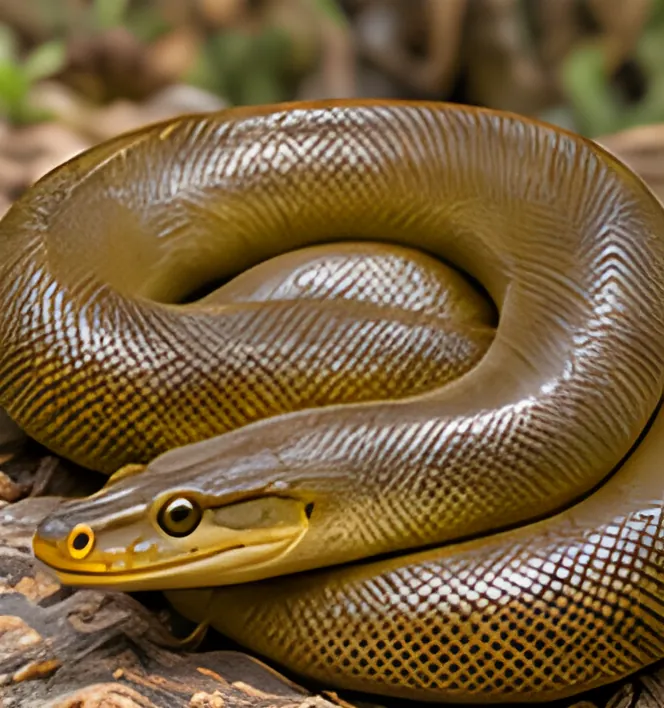
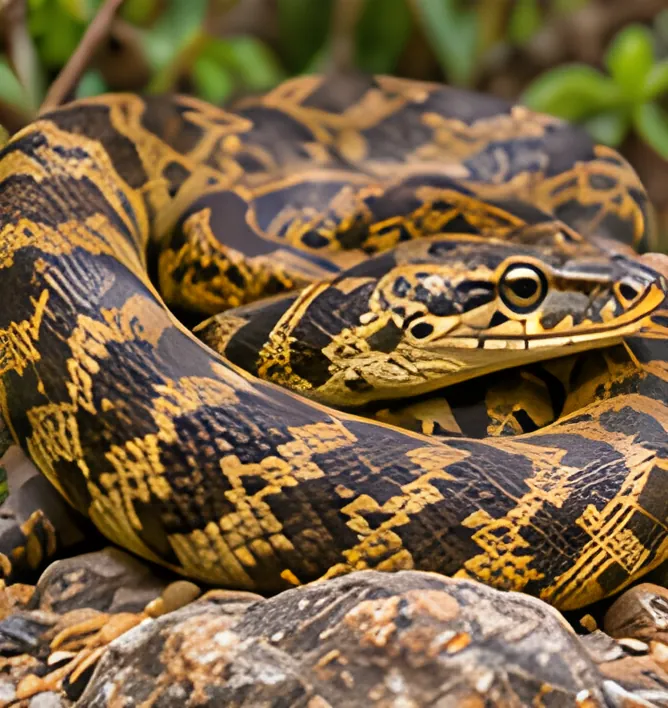
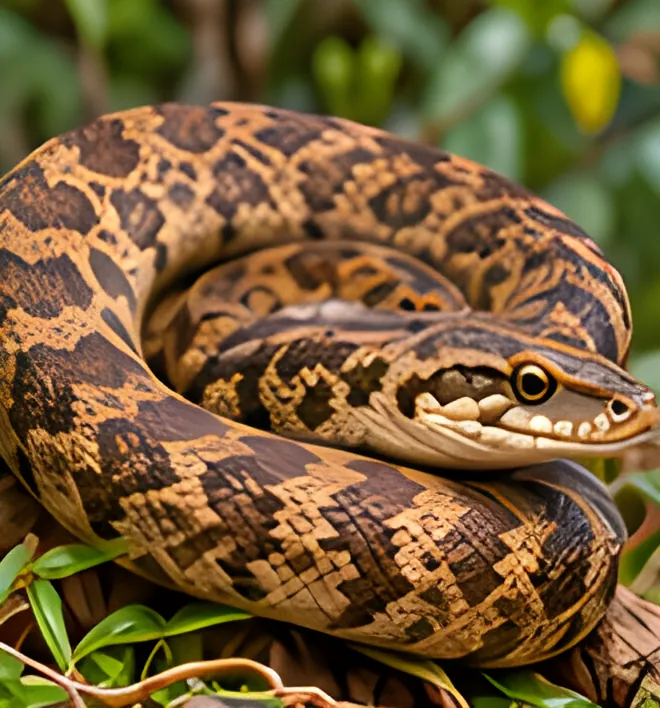
The olive python is a big, plain, smooth-scaled snake of the north's rocky country. It lives around gorges and waterholes, often lying in wait near the water's edge for animals coming to drink, and it is a strong swimmer.
Its diet shows just how powerful it is: rock-wallabies, young euros, ducks, pigeons, fruit bats, monitors and even small freshwater crocodiles. One big meal can keep it going for months.
John Edward Gray described the species in 1842 from Port Essington in the Top End. The Pilbara population, named Liasis olivaceus barroni after herpetologist Greg Barron, is isolated from the northern form by the Great Sandy Desert and is listed as Vulnerable nationally.
Because it is brown and large, it is often mistaken for a king brown (mulga) snake and killed, and Pilbara pythons are frequently hit on roads. Its smooth, pattern-free scales and the heat pits on its lips help tell it apart.
Where it lives
Across tropical northern Australia from Western Australia through the Northern Territory into north-west Queensland, with a separate subspecies in the Pilbara and north Gascoyne of WA.
Specialist keepers
Can you keep one?
Experienced keepersNeeds a big enclosure, careful husbandry or confident handling. Not a first reptile. Temperament: Often calm and curious, with a very strong feeding response.
What you’re signing up for
- Lifespan
- 20–30 years
- Adult enclosure
- Very large · 2.4 × 0.9 × 0.9 m2.4 m-plus, a pond or an outdoor enclosure. Usually a custom build.
- Set-up budget
- MajorA custom enclosure, pond or room-sized setup, and often an expensive animal too.
- Routine
- Check heat and water daily; feeds every two to three weeks; a second person for big adults.
Plan a big enclosure20+ year commitment
Plan ahead: Grows past 3 m within a few years, so the adult enclosure is needed sooner than most people expect.
Kept by experienced keepers under some state licences, but its size and strong feeding response make it an advanced species needing a very large enclosure; check your state wildlife authority.
Read the full keeper’s guide ↓
Planning a home for one? We hand-build custom backdrops, hides and ledges for Australian species.
Plan a habitat →Keeper’s guide
Keeping a Olive python
Why keepers love them
Olive pythons are big, smooth and glossy, with a plain olive coat that shows off a beautiful iridescent sheen. Many keepers say they are among the most intelligent and interactive pythons they have kept.
They are a true northern Australian giant, and watching one explore a big enclosure is a completely different experience from keeping a small python.
A great match if you…
- You have kept carpet pythons or similar for a few years
- You have room for a 2.4 m-plus enclosure
- You enjoy an active, inquisitive snake
Think twice if you…
- You want a snake to handle every day with no risk of a feeding bite
- Space or budget for a large enclosure is limited
- You have young children who might handle it alone
Before you buy
- Adults commonly reach 3–4 m and the Pilbara form gets bigger still (and is threatened: make sure you know which you are buying).
- A feeding response that mistakes your hand for food is the main risk. Use tongs, a feeding routine and a hook to start each handling session.
- Plan for a 20-plus year commitment and an adult enclosure from day one.
Setting up the enclosure
- Adult enclosure
- At least about 2.4 m × 0.9 m × 0.9 m for an adult; bigger is better.
- Heat
- Warm end about 30–32 °C with a basking spot to about 34 °C; cool end about 24–26 °C.
- Lighting
- A day–night light cycle; low-level UVB is beneficial.
- Humidity
- Low to moderate, with a water bowl large enough to soak in.
- Furnishings
- Large hides at both ends, rock ledges and a few thick branches. They appreciate rocky, gorge-like décor.
Figures are typical starting points for adults. Measure temperatures with a thermometer at the surface the animal sits on, run every heat source through a thermostat, and adjust to how your animal behaves.
Feeding
Rats, then rabbits or guinea pigs for big adults, every two to three weeks. Do not overfeed: big pythons get obese easily.
Handling
Generally calm once out of the enclosure. Use a hook to tell the snake it is handling time, not feeding time, and handle a big adult with a second person present.
Advanced keeper tips
- Feed outside the hide area or in a consistent spot so the snake learns when food is coming.
- Olives can be shy feeders as hatchlings. Try live-feeling movement with tongs, or a scented prey item, before assisting.
- Track weight monthly; adults should look rounded, not with fat folds along the sides.
Health watch-list
- Respiratory infection: wheezing, bubbles at the nostrils or open-mouth breathing. Usually a temperature or humidity problem; see a reptile vet early.
- Mites: tiny black specks around the eyes and chin, or a snake soaking for days. Quarantine every new animal for at least 90 days.
- Stuck shed (especially eye caps and tail tip): raise the humidity before and during a shed rather than peeling skin off.
- Burns from unguarded heat sources: every heat lamp needs a cage and every heat source needs a thermostat.
Find a reptile-experienced vet before you need one, and book a check-up soon after a new animal arrives.
Licences & the law
Kept under a Standard licence in Queensland and on several other state lists, often in a higher class because of the adult size. The Pilbara olive python is threatened; check what your state allows.
Check your state’s current list:QLDNSWVICSAWANTTASACT
Every native reptile and frog is protected. Never take one from the wild: buy captive-bred animals from a licensed keeper, keep the paperwork, and note that Tasmania does not allow mainland reptiles to be brought into the state.
Easier species with a similar appeal
Questions people ask
How big do olive pythons get?
Most adults are around 3 to 4 m long, and the Pilbara subspecies has been reported up to about 6.5 m.
Is an olive python venomous?
No. It is a non-venomous constrictor, though it is often confused with the venomous king brown snake.
Can you keep an olive python as a pet in Australia?
They are kept by experienced keepers under some state licences, but their size makes them an advanced species; check your state wildlife authority.
Is the Olive python a good pet for beginners?
Not really. We rate it "Experienced keepers": Needs a big enclosure, careful husbandry or confident handling. Not a first reptile. Adults commonly reach 3–4 m and the Pilbara form gets bigger still (and is threatened: make sure you know which you are buying).
How long does the Olive python live in captivity, and how big an enclosure does it need?
Plan for about 20–30 years in captivity. An adult needs a very large enclosure of about 2.4 × 0.9 × 0.9 m. Grows past 3 m within a few years, so the adult enclosure is needed sooner than most people expect.