Meet the Thick-tailed gecko
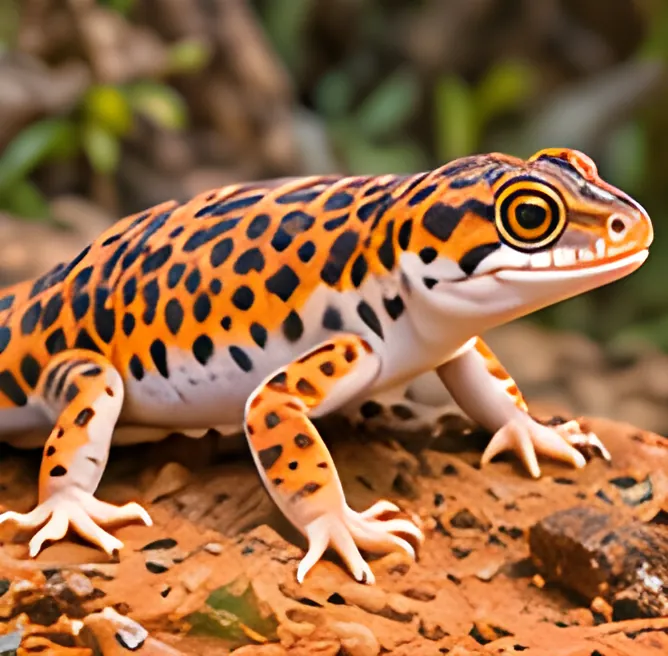
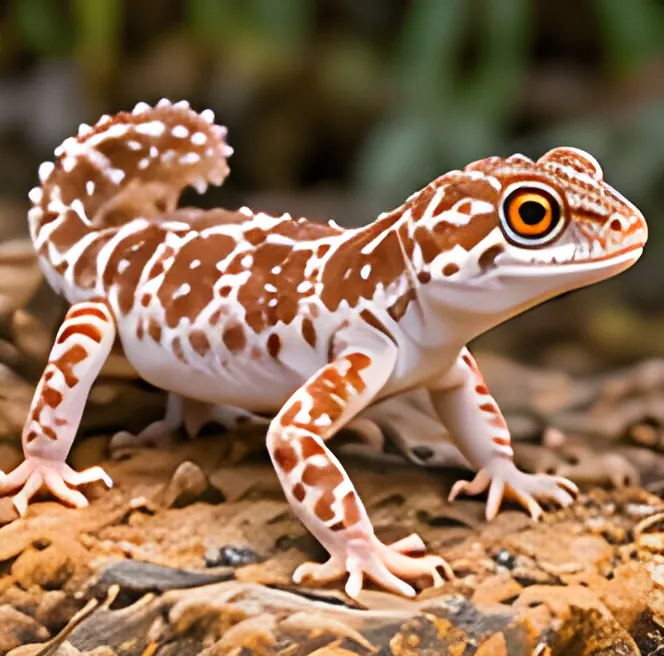
The thick-tailed gecko is a ground-dwelling gecko with a purplish to reddish-brown body dotted with small white spots and a fat, carrot-shaped tail. An original tail is black with crisp white bands, while a regrown one is a different shape and colour.
Its other name, barking gecko, comes from its defence display. When threatened it rears up, arches its back and gives a sharp bark, and the plump tail can be dropped as a decoy and regrown. The tail also stores fat.
It is nocturnal, hunting insects and other invertebrates at night and sheltering under rocks or in burrows by day. Unusually for a gecko, several individuals often share the same daytime shelter, and these groups may help them conserve warmth. Females lay two hard-shelled eggs.
Bory de Saint-Vincent described it in the 1820s as Phyllurus milii, honouring Baron Pierre Bernard Milius, a French naval officer and naturalist. The genus Underwoodisaurus honours British herpetologist Garth Underwood. The original specimen was lost, and a replacement (neotype) from Dorre Island in Shark Bay was designated in 2002.
Where it lives
Southern mainland Australia, from central Queensland through New South Wales, northern Victoria and South Australia to semi-arid Western Australia, as far as Shark Bay.
Commonly kept
Can you keep one?
Great for beginnersHardy and forgiving. A good choice for a first licence. Temperament: Gentle, slow-moving and easy.
What you’re signing up for
- Lifespan
- 10–15 years
- Adult enclosure
- Small · 60 × 45 × 30 cmUnder about 90 cm long. Fits on a bench or a sturdy shelf.
- Set-up budget
- ModestA small enclosure with basic heat, light and a thermostat.
- Routine
- Insects every two or three days; fresh water and a spot-clean.
A popular, hardy gecko kept under some state wildlife licences, so check your state wildlife authority before buying.
Read the full keeper’s guide ↓
Planning a home for one? We hand-build custom backdrops, hides and ledges for Australian species.
Plan a habitat →Keeper’s guide
Keeping a Thick-tailed gecko
Why keepers love them
Thick-tailed (barking) geckos are a great first gecko: small, sturdy and active at night.
When threatened they stand tall and "bark" with a wheezy call. It is surprisingly endearing.
A great match if you…
- You want a small, low-cost first reptile
- You enjoy watching animals at night
Think twice if you…
- You want a lizard that is active by day
Before you buy
- Never grab by the tail; they drop it easily, and a regrown tail never looks quite the same.
- They are nocturnal, so most of the action happens after dark. A dim red or moonlight-style lamp lets you watch without disturbing them.
- They live 10–15 years or more with good care.
- Males fight, so keep one male per enclosure.
Setting up the enclosure
- Adult enclosure
- About 60 cm × 45 cm × 30 cm for one or a pair.
- Heat
- A warm hide of about 28–30 °C, cool end about 20–22 °C.
- Lighting
- A day–night cycle; low-level UVB is optional but beneficial.
- Humidity
- Low, with a humid hide for shedding.
- Furnishings
- A sandy-soil substrate, flat rocks and several hides.
Figures are typical starting points for adults. Measure temperatures with a thermometer at the surface the animal sits on, run every heat source through a thermostat, and adjust to how your animal behaves.
Feeding
Small insects every second day, dusted with calcium.
Handling
Short and gentle; let them walk from hand to hand.
Advanced keeper tips
- A humid hide with damp moss prevents stuck sheds on toes.
- A fat tail is the best health gauge: a thin tail means the gecko is underweight or unwell.
- Offer a small dish of calcium powder so they can lick extra when they need it, especially breeding females.
- A cooler winter for six to eight weeks helps breeding and mimics their natural year.
Health watch-list
- Metabolic bone disease: soft jaw, shaky legs or kinked spine. Caused by too little UVB, calcium or heat. Prevent it with good UVB and supplements.
- Stuck shed on toes and tail tips can cut off circulation. Raise humidity and give a rough surface to rub on.
- Mouth rot (redness, swelling or cheesy material in the mouth): see a reptile vet.
- Parasites: get a faecal check after buying and whenever weight drops.
Find a reptile-experienced vet before you need one, and book a check-up soon after a new animal arrives.
Licences & the law
Kept under standard licences in several states. Check your state.
Check your state’s current list:QLDNSWVICSAWANTTASACT
Every native reptile and frog is protected. Never take one from the wild: buy captive-bred animals from a licensed keeper, keep the paperwork, and note that Tasmania does not allow mainland reptiles to be brought into the state.
Questions people ask
Why is it called a barking gecko?
When threatened it arches its back, raises its tail and makes a sharp bark-like call to startle predators.
Can you keep a thick-tailed gecko as a pet in Australia?
Yes, it is a commonly kept native gecko under some state wildlife licences; check your state wildlife authority first.
What do thick-tailed geckos eat?
They eat insects, spiders and other invertebrates, and sometimes smaller geckos.
Is the Thick-tailed gecko a good pet for beginners?
Yes. Hardy and forgiving. A good choice for a first licence. Never grab by the tail; they drop it easily, and a regrown tail never looks quite the same.
How long does the Thick-tailed gecko live in captivity, and how big an enclosure does it need?
Plan for about 10–15 years in captivity. An adult needs a small enclosure of about 60 × 45 × 30 cm.