Meet the Woma python
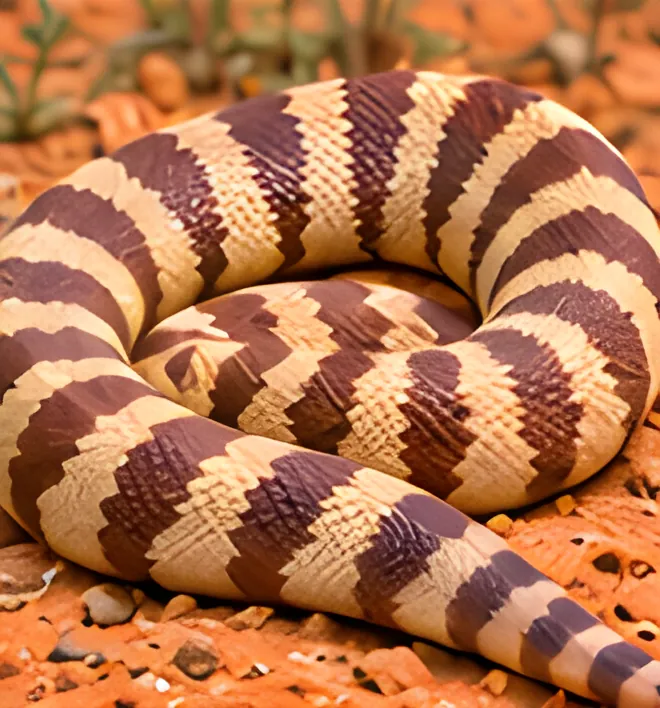
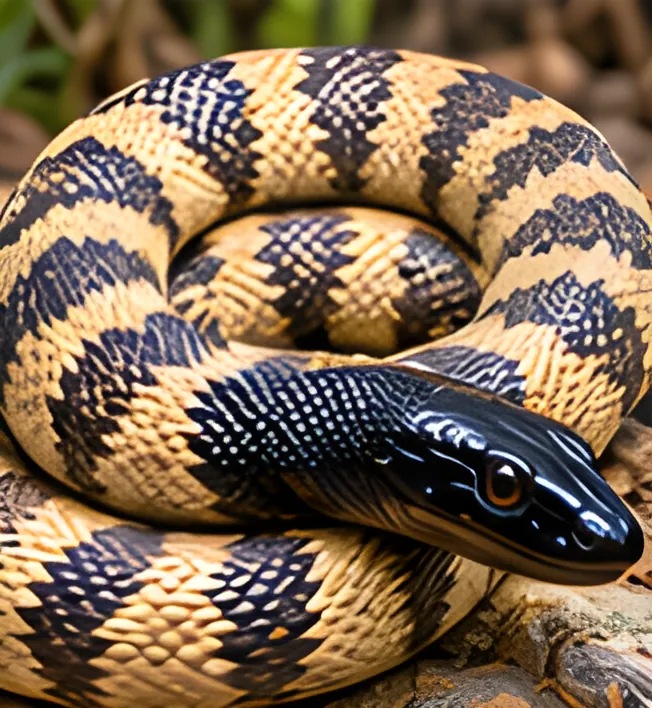
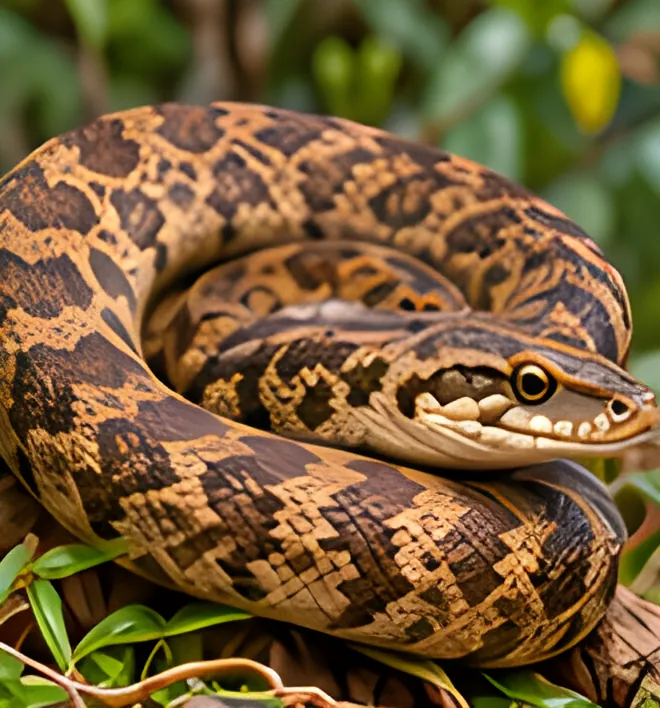
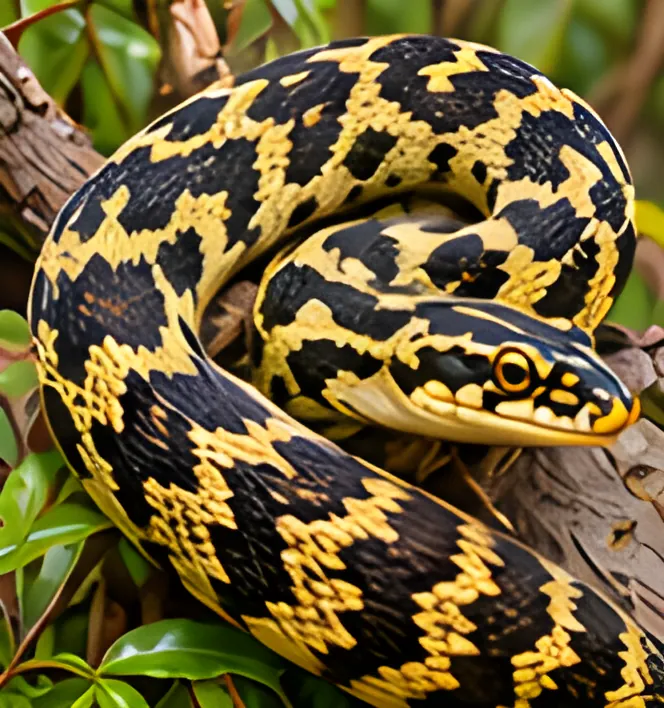
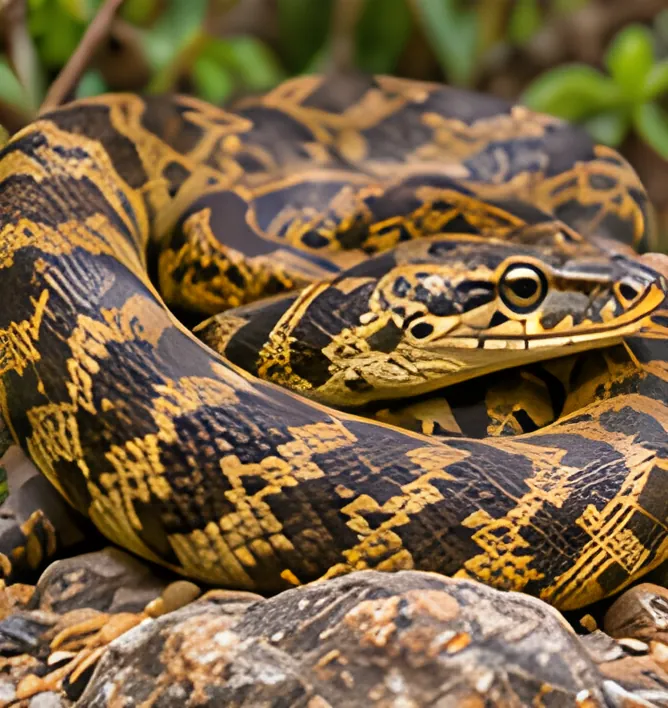
The woma is a desert python with a sandy orange to red-brown body banded in darker brown. Unlike most pythons it has a narrow head and lacks the obvious heat-sensing pits along its lips.
It often hunts by pushing into burrows. In such tight spaces it cannot coil properly, so it presses a loop of its body against the prey to pin it to the burrow wall. It has also been seen using its tail tip as a lure, like a death adder.
William Macleay described it in 1882 and named it after zoologist Edward Pierson Ramsay. The woma has declined in parts of southern Australia, likely because of land clearing, grazing, changed fire and fox and cat predation.
A 2007 trial reintroduction of captive-bred womas at Arid Recovery near Roxby Downs, South Australia, showed how hard recovery can be: all nine released snakes were killed within four months, mostly by native mulga snakes.
Where it lives
Arid and semi-arid central and western Australia, across WA, the NT, SA, south-west Queensland and far north-west NSW; once widespread in south-western WA but now rare there.
Specialist keepers
Can you keep one?
Beginner with homeworkSuits a first-time keeper who does the reading and gets the setup right before the animal arrives. Temperament: Typically very calm, but a powerful and greedy feeder.
What you’re signing up for
- Lifespan
- 20–30 years
- Adult enclosure
- Medium · 1.2–1.5 × 0.6 mAbout 1.2 m long: a standard 4 ft enclosure.
- Set-up budget
- ModerateA 4 ft enclosure with strong UVB, heating and thermostats.
- Routine
- Check heat and water daily; feeds every one to two weeks; spot-clean as needed.
20+ year commitment
Captive-bred womas are kept under some state licences and are popular for their calm nature, but they are relatively pricey; check your state wildlife authority.
Read the full keeper’s guide ↓
Planning a home for one? We hand-build custom backdrops, hides and ledges for Australian species.
Plan a habitat →Keeper’s guide
Keeping a Woma python
Why keepers love them
Womas have a beautiful banded pattern in sandy oranges and browns and a gentle, inquisitive nature, which makes them one of the most loved Australian pythons.
They have no heat-sensing pits, so they hunt by smell and by poking into burrows, and they are famous for an impressive appetite.
A great match if you…
- You want a calm, ground-dwelling python of a manageable size
- You like a snake that is active and visible during the day
- You are happy to give them a dry, sandy desert setup
Think twice if you…
- You cannot keep a very secure lid: womas are strong and clever escape artists
- You are not confident with a snake that can lunge at food
Before you buy
- Their feeding response is famously strong, and some will strike at anything warm. Use tongs and never feed by hand.
- They need a dry, warm desert setup. Damp substrate causes skin and respiratory problems.
- Wild womas are specially protected in WA and threatened in parts of NSW: buy only well-documented captive-bred animals.
Setting up the enclosure
- Adult enclosure
- About 1.2–1.5 m long × 0.6 m deep; floor space matters more than height.
- Heat
- A hot spot of about 32–34 °C, warm end around 30 °C, cool end about 24–26 °C.
- Lighting
- Bright daylight lighting; low-level UVB is beneficial for this active species.
- Humidity
- Low. A clean, dry substrate with a small water bowl.
- Furnishings
- Deep, diggable substrate and burrow-style hides. They love to push through tunnels, so a burrow-style backdrop is ideal.
Figures are typical starting points for adults. Measure temperatures with a thermometer at the surface the animal sits on, run every heat source through a thermostat, and adjust to how your animal behaves.
Feeding
Mice for juveniles, then rats for adults, every 10–14 days. Use a feeding tub or a consistent routine because feeding responses can be explosive.
Handling
Usually relaxed and slow-moving when handled. Use a hook to get them out so they do not expect food.
Advanced keeper tips
- Womas sometimes refuse food in winter. A cooler, shorter-day period is normal; keep monitoring weight.
- They respond well to enrichment: scent trails, burrows to explore and rearranged décor.
- Breeding usually follows a winter cool-down; females can be prone to obesity, so feed carefully.
Health watch-list
- Respiratory infection: wheezing, bubbles at the nostrils or open-mouth breathing. Usually a temperature or humidity problem; see a reptile vet early.
- Mites: tiny black specks around the eyes and chin, or a snake soaking for days. Quarantine every new animal for at least 90 days.
- Stuck shed (especially eye caps and tail tip): raise the humidity before and during a shed rather than peeling skin off.
- Burns from unguarded heat sources: every heat lamp needs a cage and every heat source needs a thermostat.
Find a reptile-experienced vet before you need one, and book a check-up soon after a new animal arrives.
Licences & the law
Queensland moved the woma to its most common (Class 1) list, and it is widely available under standard reptile licences elsewhere. Check your state list.
Check your state’s current list:QLDNSWVICSAWANTTASACT
Every native reptile and frog is protected. Never take one from the wild: buy captive-bred animals from a licensed keeper, keep the paperwork, and note that Tasmania does not allow mainland reptiles to be brought into the state.
Questions people ask
Is a woma python venomous?
No. Womas are non-venomous pythons that kill prey by constriction.
How big do woma pythons get?
Most adults are around 1.5 m long, with large animals up to about 2.7 m.
Can you keep a woma python as a pet in Australia?
Yes, captive-bred womas are kept under some state licences; never take one from the wild, and check your state wildlife authority.
Is the Woma python a good pet for beginners?
It can be, with preparation. Suits a first-time keeper who does the reading and gets the setup right before the animal arrives. Their feeding response is famously strong, and some will strike at anything warm. Use tongs and never feed by hand.
How long does the Woma python live in captivity, and how big an enclosure does it need?
Plan for about 20–30 years in captivity. An adult needs a medium enclosure of about 1.2–1.5 × 0.6 m.