Meet the Children's python
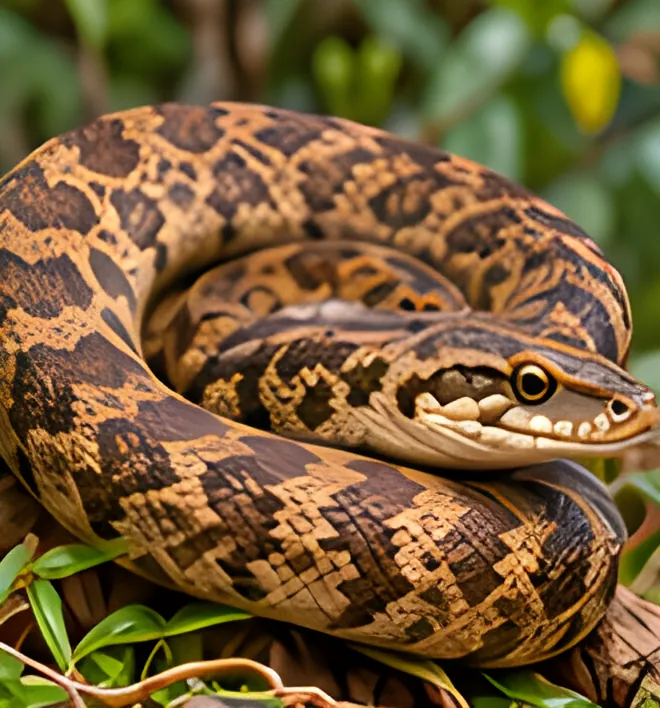
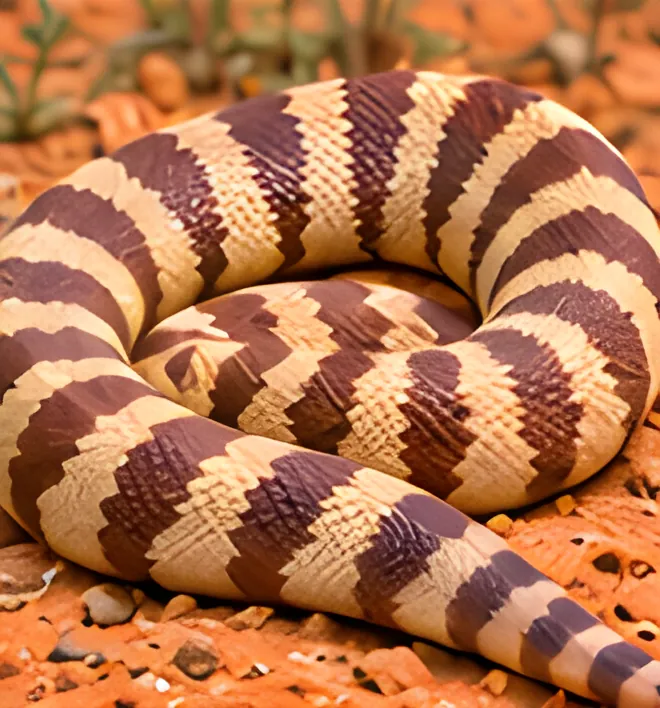
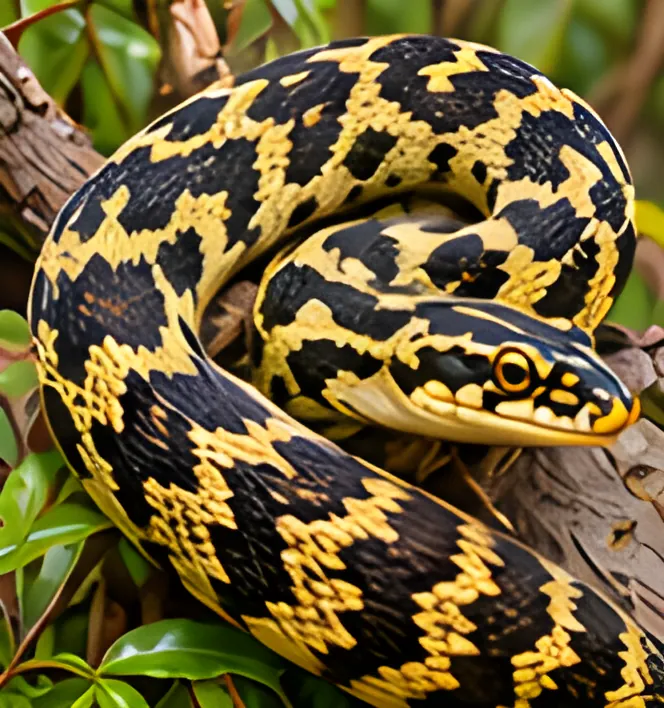
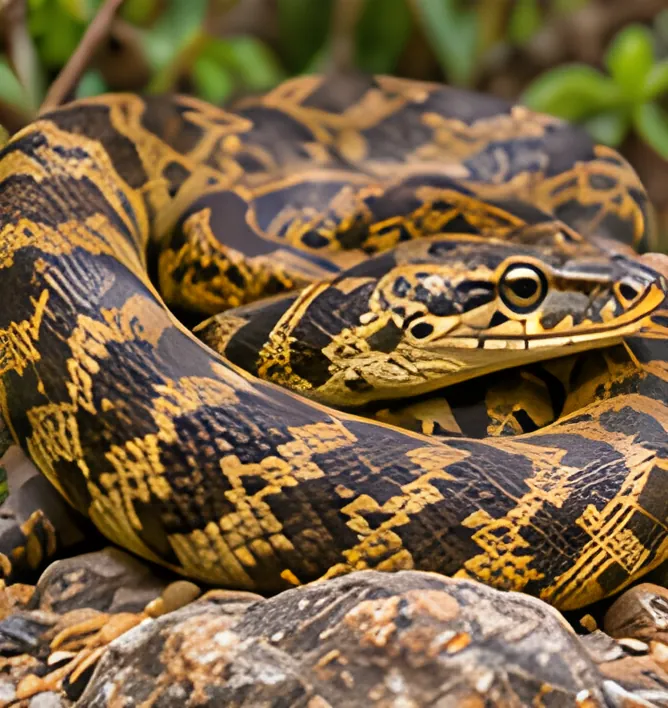
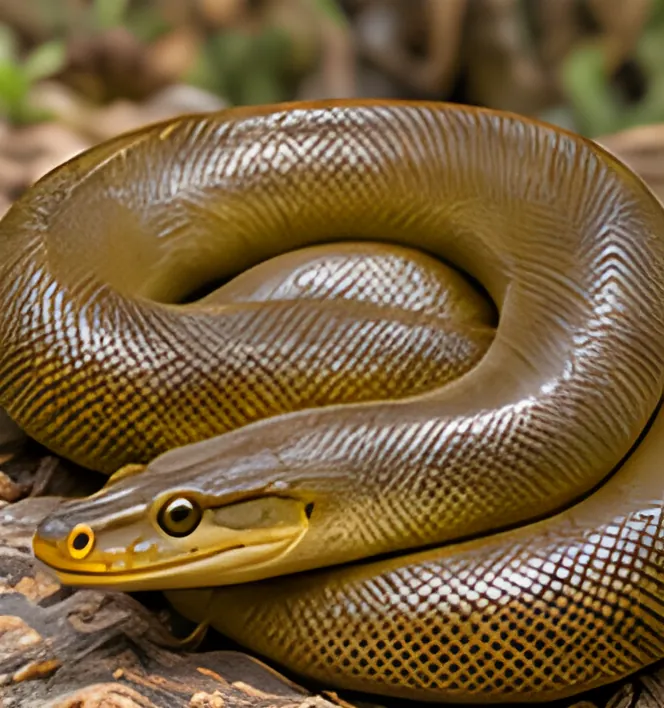
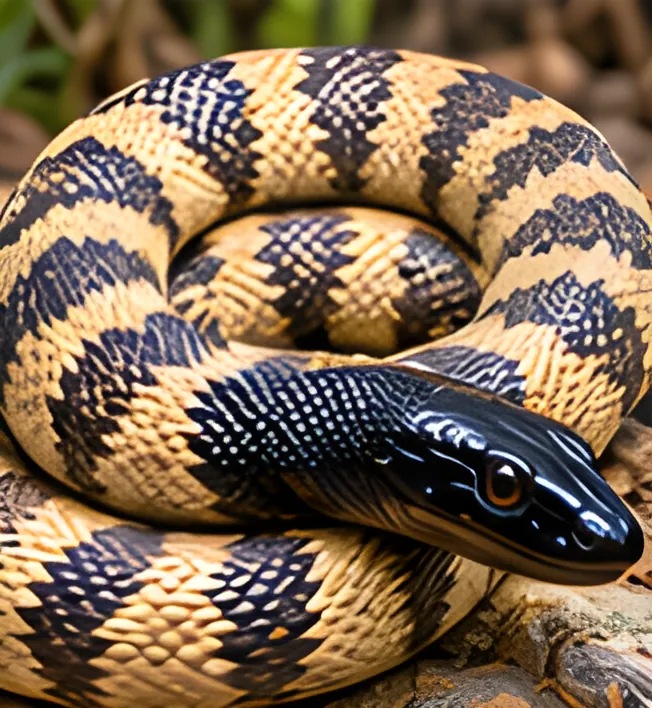
The Children's python is one of the world's smaller pythons, a neat brown snake with darker blotches and a dark stripe through the eye. Juveniles are strongly patterned, and some adults fade to a plainer reddish-brown.
It lives in a huge range of country, from Kimberley gorges and monsoon forest to spinifex deserts. In northern caves it has a remarkable trick: it hangs from the cave roof or waits near roost entrances to snatch microbats as they fly past at dusk.
John Edward Gray described the species in 1842 and named it after his mentor John George Children, a curator at the British Museum. The genus name Antaresia refers to Antares, the bright star in the constellation Scorpius.
For decades scientists recognised a separate inland species, Stimson's python. A 2021 genomic study by Esquerré and colleagues found the two interbreed across a broad network of populations with no species-level split, so Stimson's python is now treated as part of Antaresia childreni.
Where it lives
Widespread across northern and inland Australia, from the Kimberley and Top End across the deserts and into Queensland, now including the former Stimson's python range.
Keeper’s guide
Keeping a Children's python
Why keepers love them
Children's pythons are small, gentle and hardy. That is why so many Australian keepers start with one, and why many keep them for decades.
They are named after the zoologist John George Children, not because they are aimed at kids, but they are a great family snake under adult supervision.
A great match if you…
- You want a first snake
- You have limited space
- You want a snake that is happy to be handled regularly
Think twice if you…
- You want a big, showy display animal
Before you buy
- They can live 20–30 years, so this is a long commitment.
- Hatchlings can be nippy and fast. They usually settle with calm, regular handling.
- They are escape artists through tiny gaps. Check every lid and cable hole.
Setting up the enclosure
- Adult enclosure
- About 90 cm × 45 cm × 45 cm for an adult.
- Heat
- A warm spot about 30–32 °C, cool end about 24–26 °C.
- Lighting
- A normal day–night light cycle.
- Humidity
- Low to moderate, with a water bowl.
- Furnishings
- Snug hides at both ends, a few branches and some leaf litter or artificial plants for cover.
Figures are typical starting points for adults. Measure temperatures with a thermometer at the surface the animal sits on, run every heat source through a thermostat, and adjust to how your animal behaves.
Feeding
Pinkies or fuzzies for hatchlings, building to small-to-adult mice for adults, every 7–14 days.
Handling
Short, calm sessions a few times a week. Support the body and let the snake move through your hands.
Advanced keeper tips
- Hatchlings sometimes prefer lizard-scented food. Try rubbing a pinkie with a shed skin from a gecko or skink (from a legal source).
- Use a temperature gun to check surface temperatures. Air thermometers often miss hot spots.
- Children's, spotted and stimson's pythons look similar. Buy from a breeder who can confirm the species.
Health watch-list
- Respiratory infection: wheezing, bubbles at the nostrils or open-mouth breathing. Usually a temperature or humidity problem; see a reptile vet early.
- Mites: tiny black specks around the eyes and chin, or a snake soaking for days. Quarantine every new animal for at least 90 days.
- Stuck shed (especially eye caps and tail tip): raise the humidity before and during a shed rather than peeling skin off.
- Burns from unguarded heat sources: every heat lamp needs a cage and every heat source needs a thermostat.
Find a reptile-experienced vet before you need one, and book a check-up soon after a new animal arrives.
Licences & the law
One of the most common snakes on standard licences across Australia. In the NT it is on the list of animals that do not need a permit. Check your state.
Check your state’s current list:QLDNSWVICSAWANTTASACT
Every native reptile and frog is protected. Never take one from the wild: buy captive-bred animals from a licensed keeper, keep the paperwork, and note that Tasmania does not allow mainland reptiles to be brought into the state.