Meet the Land mullet
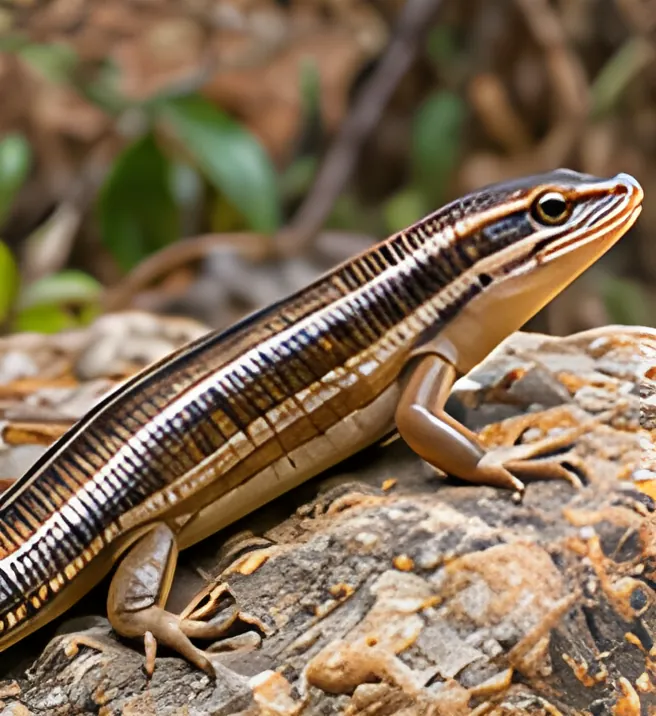
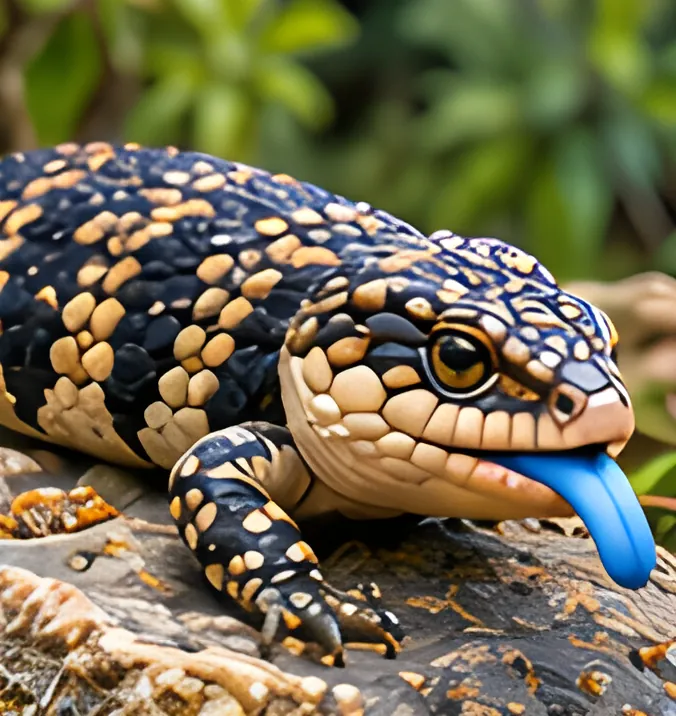
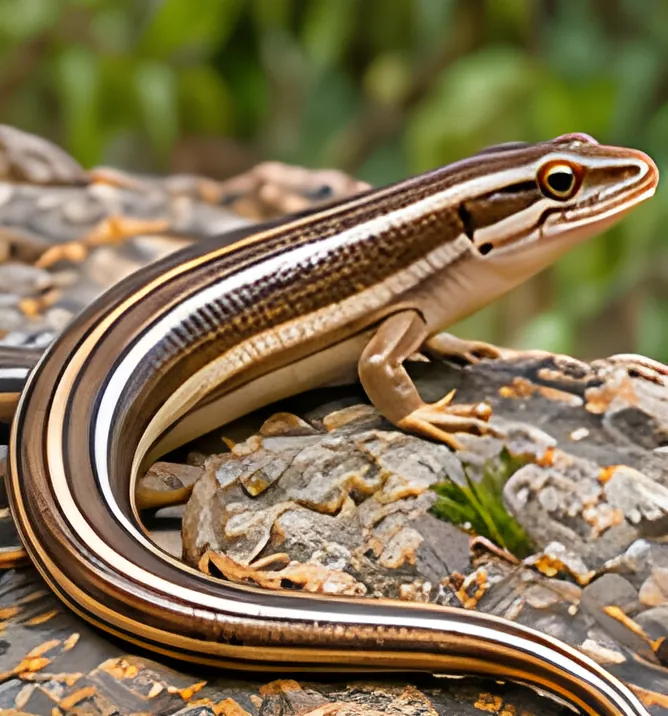
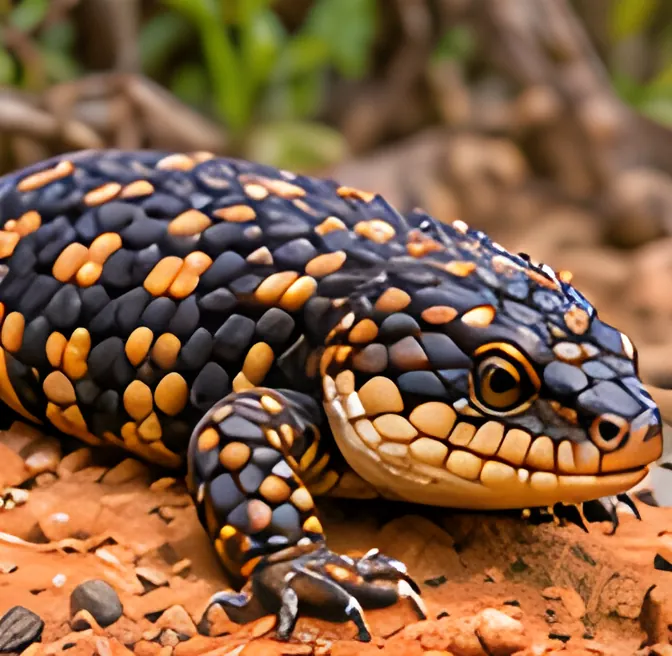
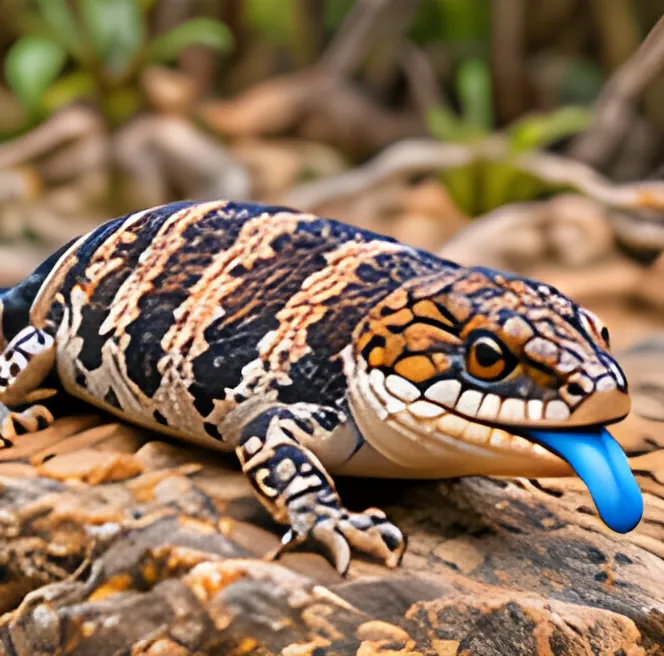
The land mullet is one of the largest members of the skink family, reaching about 50–60 cm long. Adults are glossy black or dark brown with smooth, shiny scales, a blunt head and a pale ring around the eye.
Its odd name comes from that resemblance: the blunt head, large smooth scales, size and dark colour reminded people of a mullet fish.
Land mullets live along rainforest edges in coastal New South Wales and south-eastern Queensland, sheltering in hollow logs or burrows among the roots of fallen trees and basking in sunny gaps. They are usually shy and are often heard crashing through leaf litter before they are seen, but in some national parks they have learned to scavenge around picnic and camping areas.
Young eat mostly insects, but adults are largely vegetarian, with around 80% of their diet fallen fruit, berries, leaves and flowers. They give birth to about four to nine live young in late summer, and the young may stay in family groups for a while. Gray described it in 1845, and it has since moved from Egernia to its own genus Bellatorias, from the Latin for 'warlike'.
Where it lives
Coastal eastern Australia, patchily from around the Hawkesbury River and Gosford in New South Wales north to the Conondale Range in south-eastern Queensland, from sea level up to about 860 m.
Specialist keepers
Can you keep one?
IntermediateBest after you have kept an easier species for a year or two. Temperament: Shy at first, can become bold with time.
What you’re signing up for
- Lifespan
- 15–20 years
- Adult enclosure
- Large · 1.5 × 0.6 × 0.6 mAbout 1.5–1.8 m long, very tall, or a 300-litre-plus tank. Plan a dedicated spot.
- Set-up budget
- SignificantA large or specialist setup: tall, humid, misted or heavily filtered.
- Routine
- Feeds a few times a week; keep the substrate damp underneath; fresh water daily.
Plan a big enclosure
Land mullets are kept by some specialist keepers and need very large enclosures, so check your state wildlife authority about licence availability.
Read the full keeper’s guide ↓
Planning a home for one? We hand-build custom backdrops, hides and ledges for Australian species.
Plan a habitat →Keeper’s guide
Keeping a Land mullet
Why keepers love them
The land mullet is one of the world's largest skinks: glossy, jet-black and named for its fish-like scales.
It is a rainforest-edge skink that basks in sunny patches, and big adults have a real presence in an enclosure.
A great match if you…
- You have kept blue-tongues and want something larger
- You have room for a big enclosure
Think twice if you…
- You want a lizard that is always visible: they can be shy
Before you buy
- They need a big enclosure for their size, with deep substrate and moisture.
- They can be nervous and quick to bolt.
Setting up the enclosure
- Adult enclosure
- At least about 1.5 m long × 0.6 m deep × 0.6 m high.
- Heat
- A basking spot of about 32–35 °C, cool end about 22–25 °C.
- Lighting
- UVB over the basking area.
- Humidity
- Moderate to high, with moist leaf litter.
- Furnishings
- Logs, leaf litter and large hides.
Figures are typical starting points for adults. Measure temperatures with a thermometer at the surface the animal sits on, run every heat source through a thermostat, and adjust to how your animal behaves.
Feeding
Insects, snails, greens and fruit.
Handling
Calm, patient handling. Many settle with time.
Advanced keeper tips
- Damp leaf litter at one end helps with shedding and natural foraging.
- They love snails and slugs (from a pesticide-free source) and will hunt them through leaf litter.
- Give a large, heavy water dish; they often soak, especially before a shed.
- Pairs can be kept together with care, but watch for food competition and give two basking spots.
Health watch-list
- Metabolic bone disease: soft jaw, shaky legs or kinked spine. Caused by too little UVB, calcium or heat. Prevent it with good UVB and supplements.
- Stuck shed on toes and tail tips can cut off circulation. Raise humidity and give a rough surface to rub on.
- Mouth rot (redness, swelling or cheesy material in the mouth): see a reptile vet.
- Parasites: get a faecal check after buying and whenever weight drops.
Find a reptile-experienced vet before you need one, and book a check-up soon after a new animal arrives.
Licences & the law
Kept under a Standard licence in Queensland. Check your state.
Check your state’s current list:QLDNSWVICSAWANTTASACT
Every native reptile and frog is protected. Never take one from the wild: buy captive-bred animals from a licensed keeper, keep the paperwork, and note that Tasmania does not allow mainland reptiles to be brought into the state.
Questions people ask
Why is it called a land mullet?
Its blunt head, large smooth scales, size and dark glossy colour resemble a mullet fish.
How big do land mullets get?
Large adults reach about 50–60 cm in total length, making them among the biggest skinks in the world.
Are land mullets dangerous?
No. They are not venomous and are usually shy, running for cover when disturbed.
Is the Land mullet a good pet for beginners?
Not really. We rate it "Intermediate": Best after you have kept an easier species for a year or two. They need a big enclosure for their size, with deep substrate and moisture.
How long does the Land mullet live in captivity, and how big an enclosure does it need?
Plan for about 15–20 years in captivity. An adult needs a large enclosure of about 1.5 × 0.6 × 0.6 m.