Meet the Boyd's forest dragon
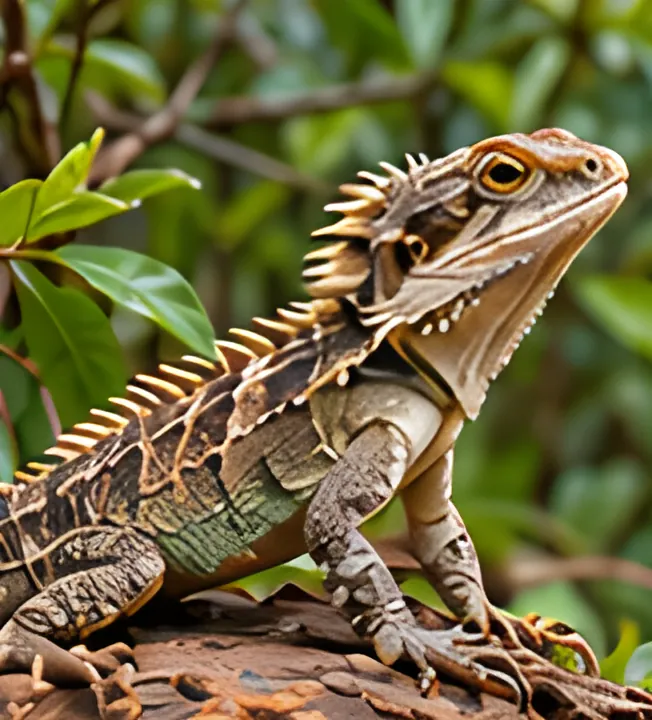
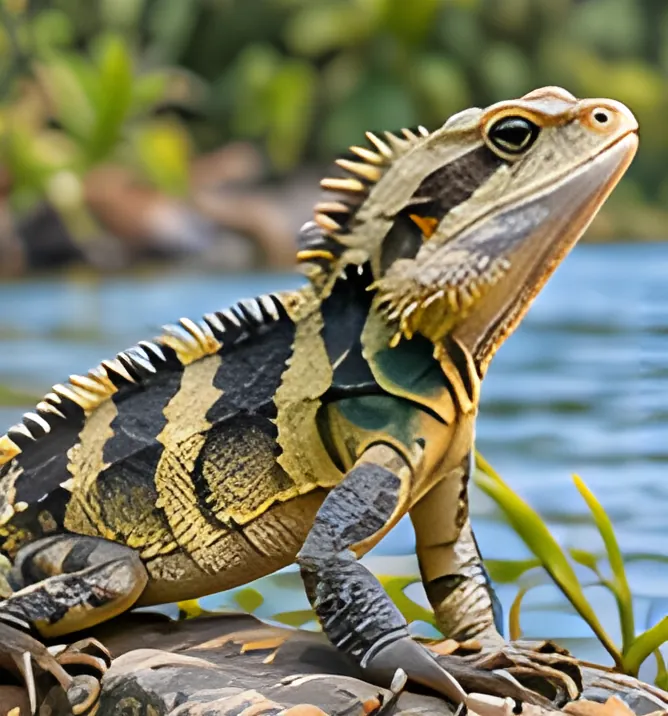
With its oversized cheek scales, curved spiny crest and yellow dewlap, Boyd's forest dragon looks like something from a lost world. Yet it is remarkably hard to spot, clinging motionless head-up on a rainforest trunk.
Unlike most dragons it does not bask in the sun. Its body temperature simply tracks the air temperature, and it stays active even in the rain. It is a sit-and-wait predator that drops down to snap up prey, especially earthworms, and moves up into the canopy in cooler months.
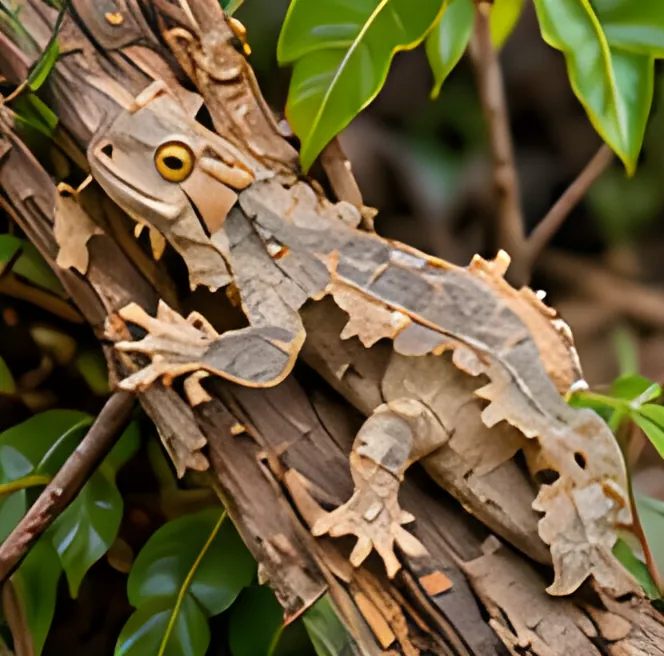
When a person approaches, it shuffles around to the far side of the trunk to stay out of sight. Researchers think its ancestors reached Australia from Southeast Asia via a land bridge to New Guinea during an ice age.
William John Macleay described the species in 1884, naming it after collector John Archibald Boyd. It was long placed in the genus Hypsilurus before being moved to Lophosaurus in 2016.
Where it lives
Found only in the rainforests of the Wet Tropics of north Queensland, from just north of Townsville to near Cooktown, in both upland and lowland forest. Often seen around Lake Eacham and Lake Barrine on the Atherton Tableland and at Mossman Gorge.
Specialist keepers
Can you keep one?
Experienced keepersNeeds a big enclosure, careful husbandry or confident handling. Not a first reptile. Temperament: Calm and slow-moving, but sensitive to heat.
What you’re signing up for
- Lifespan
- 10–15 years
- Adult enclosure
- Medium · 0.9–1.2 × 0.6 × 1.2 m highAbout 1.2 m long: a standard 4 ft enclosure.
- Set-up budget
- SignificantA large or specialist setup: tall, humid, misted or heavily filtered.
- Routine
- Daily misting, insects every day or two, and a careful eye on cool temperatures.
Boyd's forest dragons are only rarely kept by experienced keepers because they need cool, humid rainforest conditions, so check your state wildlife authority before considering one.
Read the full keeper’s guide ↓
Planning a home for one? We hand-build custom backdrops, hides and ledges for Australian species.
Plan a habitat →Keeper’s guide
Keeping a Boyd's forest dragon
Why keepers love them
Boyd's forest dragons are rainforest dragons that do not bask much. Instead they keep their body temperature close to the air around them.
With their big cheek scales, crest and golden eyes, they look prehistoric, and they spend hours perched calmly on tree trunks.
A great match if you…
- You have experience with lizards and can keep temperatures cool and stable
- You want a calm display dragon
Think twice if you…
- Your home gets hot in summer and you cannot cool the enclosure
- You want a basking desert dragon
Before you buy
- They overheat easily: summer heat can kill them. Plan how you will keep the enclosure in the low-to-mid 20s.
- They need high humidity with good airflow.
- Captive-bred animals are not common, so expect a wait.
Setting up the enclosure
- Adult enclosure
- About 0.9–1.2 m long × 0.6 m deep × 1.2 m high.
- Heat
- Daytime about 24–26 °C with only a gentle warm spot (about 28–30 °C); nights about 18–22 °C.
- Lighting
- Low to moderate UVB; they are shade-dwelling rainforest lizards.
- Humidity
- High (about 70–80%), with good ventilation and daily misting.
- Furnishings
- Vertical trunks, cork bark and dense live or artificial plants.
Figures are typical starting points for adults. Measure temperatures with a thermometer at the surface the animal sits on, run every heat source through a thermostat, and adjust to how your animal behaves.
Feeding
Insects such as crickets, roaches and earthworms, dusted with calcium.
Handling
Usually calm but best kept as a display animal; handle briefly.
Advanced keeper tips
- Monitor temperatures with an alarm. A thermostat that can cool (or an air-conditioned room) is ideal in hot regions.
- Earthworms are a favourite and help keep them hydrated.
Health watch-list
- Metabolic bone disease: soft jaw, shaky legs or kinked spine. Caused by too little UVB, calcium or heat. Prevent it with good UVB and supplements.
- Stuck shed on toes and tail tips can cut off circulation. Raise humidity and give a rough surface to rub on.
- Mouth rot (redness, swelling or cheesy material in the mouth): see a reptile vet.
- Parasites: get a faecal check after buying and whenever weight drops.
- Heat stress: open-mouth breathing or lethargy in summer. Cool the room immediately.
Find a reptile-experienced vet before you need one, and book a check-up soon after a new animal arrives.
Licences & the law
Queensland requires a Specialised or Advanced licence. Check other states' lists, as not all include it.
Check your state’s current list:QLDNSWVICSAWANTTASACT
Every native reptile and frog is protected. Never take one from the wild: buy captive-bred animals from a licensed keeper, keep the paperwork, and note that Tasmania does not allow mainland reptiles to be brought into the state.
Easier species with a similar appeal
Questions people ask
Where can I see a Boyd's forest dragon?
Look on tree trunks in the Wet Tropics rainforests of north Queensland; Lake Eacham, Lake Barrine and Mossman Gorge are well-known spots.
Do Boyd's forest dragons bask in the sun?
No. Unlike most dragons, they let their body temperature follow the surrounding air temperature.
What do Boyd's forest dragons eat?
Mainly invertebrates, especially earthworms, with occasional small fruits and small vertebrates.
Is the Boyd's forest dragon a good pet for beginners?
Not really. We rate it "Experienced keepers": Needs a big enclosure, careful husbandry or confident handling. Not a first reptile. They overheat easily: summer heat can kill them. Plan how you will keep the enclosure in the low-to-mid 20s.
How long does the Boyd's forest dragon live in captivity, and how big an enclosure does it need?
Plan for about 10–15 years in captivity. An adult needs a medium enclosure of about 0.9–1.2 × 0.6 × 1.2 m high.