Meet the Perentie
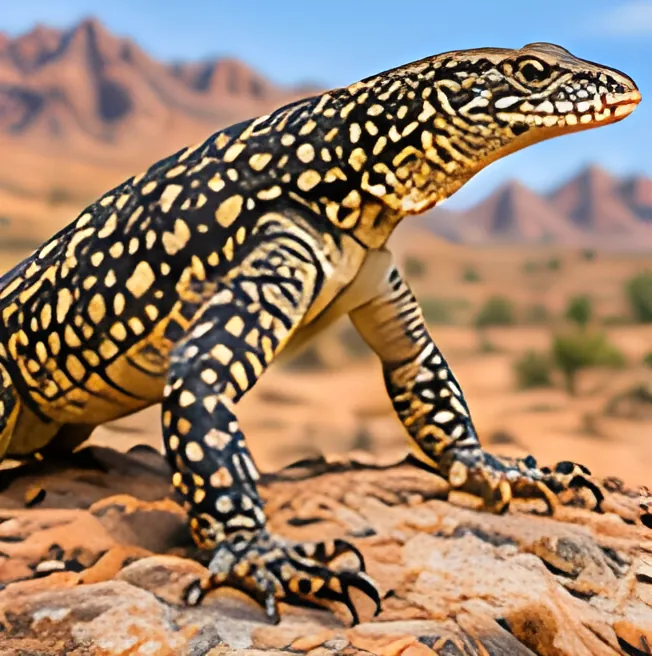
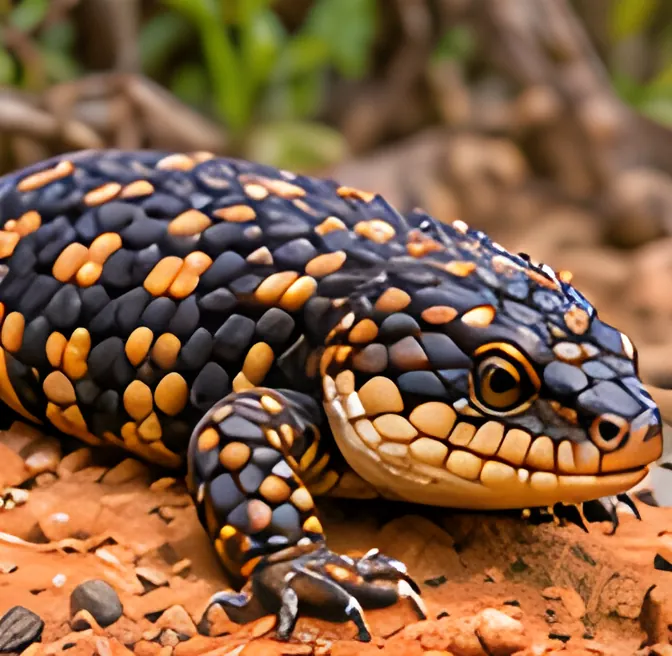
The perentie is Australia's largest goanna and one of the largest lizards in the world. It is the top lizard predator of the arid inland, hunting insects, reptiles, birds and mammals, and even eating other goannas and large venomous snakes.
It lives among rocky ranges and gorges, digging extensive burrows with multiple exits using its powerful front legs and claws. Perenties often rear up on their hind legs and tail to scan the country, and they are wary of people, sprinting away at speed when spotted.
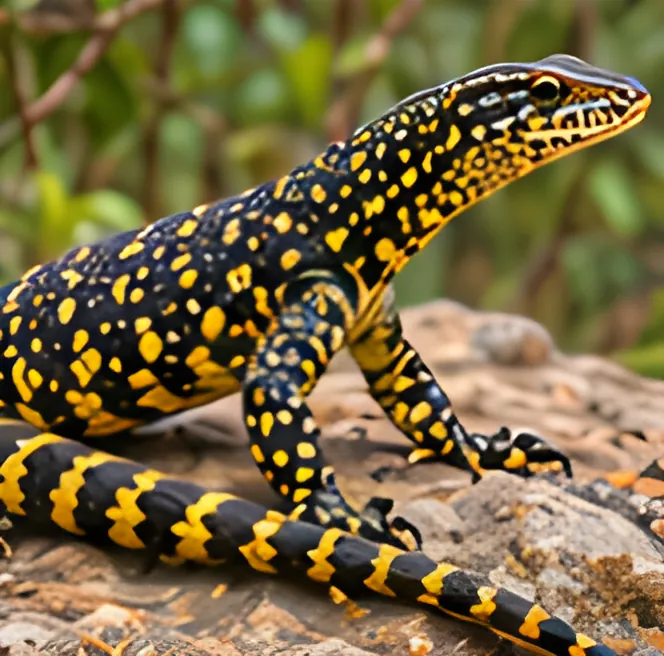
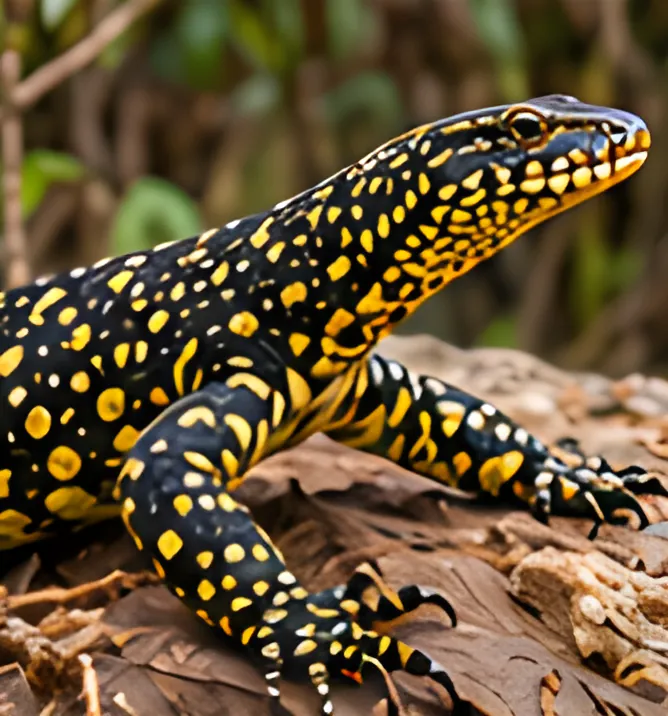
Hatchlings are brightly coloured and start on insects and small lizards. Females lay about 6 to 10 eggs in burrows beneath large objects, and the young hatch after a couple of months.
John Edward Gray described the perentie in 1845 as Hydrosaurus giganteus, meaning 'gigantic water lizard', a curious name for a desert dweller.
Where it lives
The arid interior and west of Australia, from far western Queensland through central Australia and South Australia to the Western Australian coast. Usually found around rocky hills, ranges, gorges and outcrops.
Specialist keepers
Can you keep one?
Expert onlySpecialist husbandry, size or temperament. Most keepers should not take one on. Temperament: Intelligent and powerful; tame individuals exist but adults are dangerous if mishandled.
What you’re signing up for
- Lifespan
- 20+ years
- Adult enclosure
- Very large · 3–4 × 2 m, ideally outdoors2.4 m-plus, a pond or an outdoor enclosure. Usually a custom build.
- Set-up budget
- MajorA custom enclosure, pond or room-sized setup, and often an expensive animal too.
- Routine
- Daily feeding, cleaning and enrichment; a large, deep dig area to maintain.
Plan a big enclosure20+ year commitment
Plan ahead: Australia’s largest lizard. Most keepers end up building an outdoor, walk-in enclosure.
Perenties are kept only rarely by very experienced keepers and zoos because of their size and space needs; check your state wildlife authority.
Read the full keeper’s guide ↓
Planning a home for one? We hand-build custom backdrops, hides and ledges for Australian species.
Plan a habitat →Keeper’s guide
Keeping a Perentie
Why keepers love them
The perentie is Australia's largest lizard, a desert apex predator that can stand up on its hind legs to look around.
They are smart, curious and can recognise keepers, which makes them fascinating for the very few people able to house them properly.
A great match if you…
- You have years of monitor experience
- You can build a room-sized or outdoor enclosure
- You can handle a 2 m lizard with a powerful bite and tail
Think twice if you…
- This is not a lizard for almost any home
Before you buy
- Adults exceed 2 m and need an enclosure of several square metres, often an outdoor or room-sized setup.
- Bites and tail whips from a big adult cause serious injuries.
- Food costs and cleaning are significant.
Setting up the enclosure
- Adult enclosure
- At least about 3–4 m long × 2 m deep, with height to climb; larger outdoor enclosures are better.
- Heat
- A very hot basking area (surface temperatures of 50 °C or more) with a large gradient down to the mid-20s.
- Lighting
- Strong UVB across the basking area.
- Humidity
- Low, with deep, diggable soil for burrows.
- Furnishings
- Deep soil, logs, rock piles and a large water tub.
Figures are typical starting points for adults. Measure temperatures with a thermometer at the surface the animal sits on, run every heat source through a thermostat, and adjust to how your animal behaves.
Feeding
Whole prey (rodents, chicks, eggs) and insects when young. Avoid overfeeding fatty foods.
Handling
Only with experience and, ideally, target training. Many keepers use target training so the monitor comes to a cue rather than being picked up.
Advanced keeper tips
- Target training and scatter-feeding provide enrichment and safer interactions.
- Deep, packed soil lets them dig real burrows, which keeps them calmer.
Health watch-list
- Metabolic bone disease: soft jaw, shaky legs or kinked spine. Caused by too little UVB, calcium or heat. Prevent it with good UVB and supplements.
- Stuck shed on toes and tail tips can cut off circulation. Raise humidity and give a rough surface to rub on.
- Mouth rot (redness, swelling or cheesy material in the mouth): see a reptile vet.
- Parasites: get a faecal check after buying and whenever weight drops.
- Obesity is common in captive monitors. Feed whole prey but vary the meal size.
Find a reptile-experienced vet before you need one, and book a check-up soon after a new animal arrives.
Licences & the law
Queensland classes it as a Class 2 animal for Specialised or Advanced licences. Most other states keep it on their advanced lists or do not list it.
Check your state’s current list:QLDNSWVICSAWANTTASACT
Every native reptile and frog is protected. Never take one from the wild: buy captive-bred animals from a licensed keeper, keep the paperwork, and note that Tasmania does not allow mainland reptiles to be brought into the state.
Easier species with a similar appeal
Questions people ask
How big do perenties get?
Perenties grow to over 2.5 m long and up to about 20 kg, making them Australia's largest lizard.
Is a perentie dangerous to humans?
Perenties are shy and usually flee from people, but they are powerful animals with sharp teeth and claws and should never be handled or cornered.
Where do perenties live?
In the arid interior of Australia, from far western Queensland through central Australia to Western Australia, usually among rocky hills and gorges.
Is the Perentie a good pet for beginners?
Not really. We rate it "Expert only": Specialist husbandry, size or temperament. Most keepers should not take one on. Adults exceed 2 m and need an enclosure of several square metres, often an outdoor or room-sized setup.
How long does the Perentie live in captivity, and how big an enclosure does it need?
Plan for about 20+ years in captivity. An adult needs a very large enclosure of about 3–4 × 2 m, ideally outdoors. Australia’s largest lizard. Most keepers end up building an outdoor, walk-in enclosure.