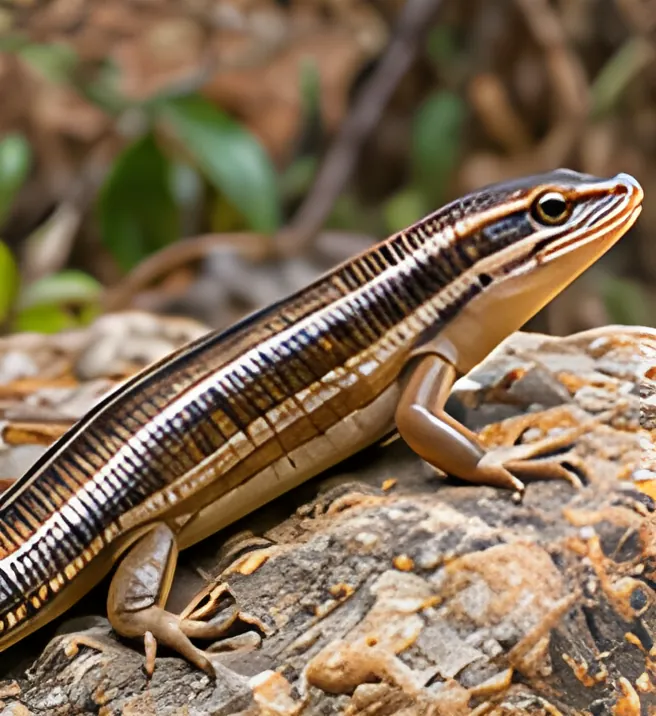
Meet the Shingleback
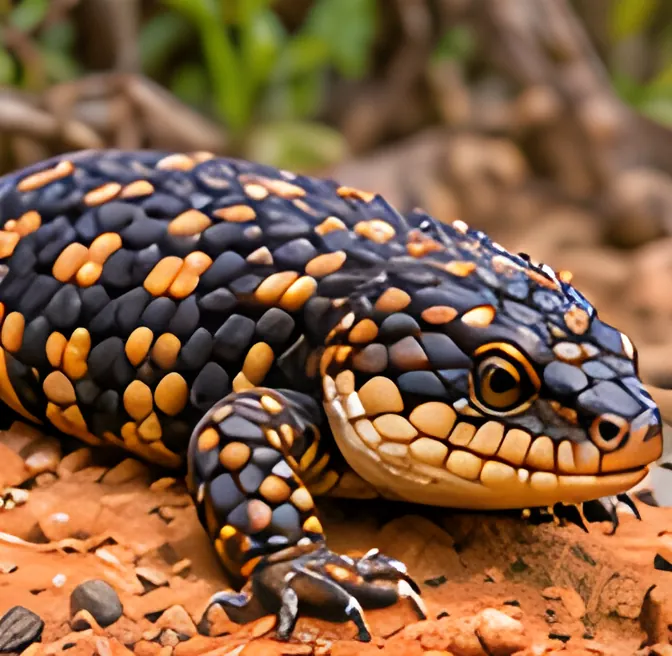
With its armour of big, rough scales and a stumpy tail shaped like its head, the shingleback looks like a walking pinecone. The fat tail is a food store that helps carry it through the cool months, and the matching head and tail may confuse predators about which end is which.
Shinglebacks are mostly solitary, but each spring (September to November) males and females pair up. Long-term studies by Michael Bull and colleagues at Flinders University found that the same partners often reunite year after year, with many partnerships lasting more than a decade. The male trails behind the female as she feeds, keeping watch for danger.
Unusually for a lizard, the shingleback nourishes its embryos through a placenta. Females give birth to just two or three large young between December and April, and each newborn is already about 22 cm long, roughly half the length of an adult.
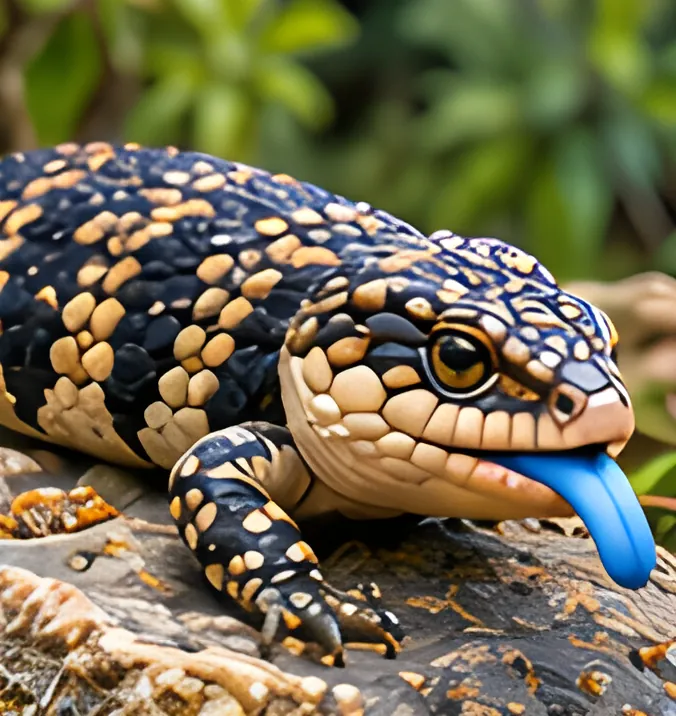
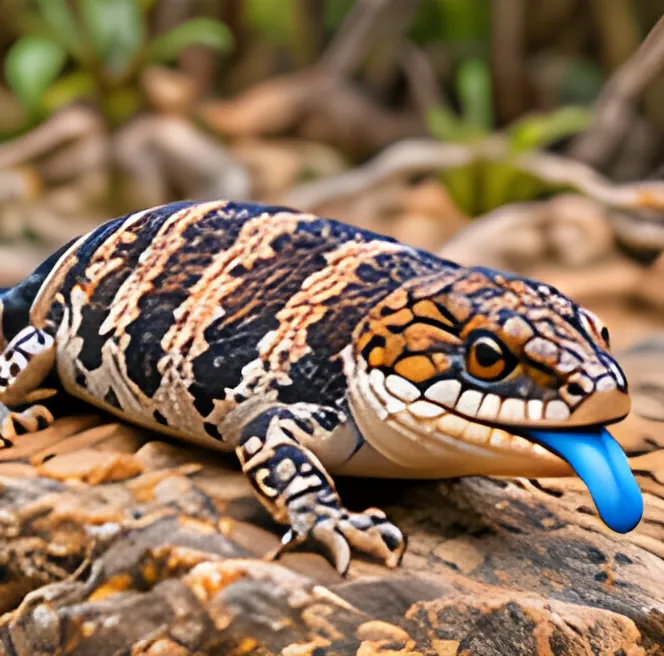
John Edward Gray described the species in 1825 as Trachydosaurus rugosus. It is now placed with the blue-tongues in Tiliqua, and like them it gapes and flashes a dark blue tongue when threatened.
Where it lives
Widespread across southern and western Australia, from the plains west of the Great Dividing Range through the semi-arid inland to coastal South Australia and Western Australia. Four subspecies are recognised, including one confined to Rottnest Island.
Commonly kept
Can you keep one?
Beginner with homeworkSuits a first-time keeper who does the reading and gets the setup right before the animal arrives. Temperament: Placid and slow; tolerates handling well.
What you’re signing up for
- Lifespan
- 20+ yearsSome have lived far longer.
- Adult enclosure
- Medium · 1.2 × 0.6 mAbout 1.2 m long: a standard 4 ft enclosure.
- Set-up budget
- ModerateA 4 ft enclosure with strong UVB, heating and thermostats.
- Routine
- Feeds two or three times a week; fresh water daily; spot-clean.
20+ year commitment
Plan ahead: Pairs can stay bonded for decades, and a shingleback may outlive several enclosures. Plan for the long haul.
Shinglebacks are kept under some state wildlife licences, so check your state wildlife authority and only buy legally captive-bred animals.
Read the full keeper’s guide ↓
Planning a home for one? We hand-build custom backdrops, hides and ledges for Australian species.
Plan a habitat →Keeper’s guide
Keeping a Shingleback
Why keepers love them
Shinglebacks, or sleepy lizards, look like they are made of pine cones, and their fat tail looks so much like their head that predators often attack the wrong end.
Wild pairs famously reunite each spring for years, which makes them one of the few faithful lizards in the world.
A great match if you…
- You want a calm, unhurried lizard
- You live in a drier part of Australia
- You want an easy omnivore
Think twice if you…
- You want a lizard that is always active: shinglebacks spend a lot of time resting
Before you buy
- They need dry conditions; damp enclosures cause skin and respiratory problems.
- They give birth to large live young, usually one to three at a time.
- In South Australia, sleepy lizards are on the exempt list.
Setting up the enclosure
- Adult enclosure
- At least about 1.2 m long × 0.6 m deep.
- Heat
- A basking spot of about 35–38 °C, cool end about 22–25 °C.
- Lighting
- UVB across part of the enclosure.
- Humidity
- Low, with a water bowl.
- Furnishings
- A dry, sandy-soil substrate, low logs and hides.
Figures are typical starting points for adults. Measure temperatures with a thermometer at the surface the animal sits on, run every heat source through a thermostat, and adjust to how your animal behaves.
Feeding
Mostly plant matter (greens, flowers, fruit), with snails, insects and a little high-quality protein.
Handling
Very tolerant; support the whole body.
Advanced keeper tips
- Edible flowers such as dandelion and hibiscus are favourites.
- Watch for long periods of inactivity outside winter, which can be an early sign of illness.
Health watch-list
- Metabolic bone disease: soft jaw, shaky legs or kinked spine. Caused by too little UVB, calcium or heat. Prevent it with good UVB and supplements.
- Stuck shed on toes and tail tips can cut off circulation. Raise humidity and give a rough surface to rub on.
- Mouth rot (redness, swelling or cheesy material in the mouth): see a reptile vet.
- Parasites: get a faecal check after buying and whenever weight drops.
- Respiratory infections from damp conditions: keep it dry and well ventilated.
Find a reptile-experienced vet before you need one, and book a check-up soon after a new animal arrives.
Licences & the law
Exempt in South Australia, on Victoria's Basic licence list, and kept under standard licences in several other states.
Check your state’s current list:QLDNSWVICSAWANTTASACT
Every native reptile and frog is protected. Never take one from the wild: buy captive-bred animals from a licensed keeper, keep the paperwork, and note that Tasmania does not allow mainland reptiles to be brought into the state.
Questions people ask
Do shinglebacks mate for life?
Many do: pairs reunite each breeding season and partnerships often last over a decade, with one recorded pair together for 27 years.
Are shingleback lizards dangerous?
No. They are not venomous; they gape, hiss and show their blue tongue as a bluff, though they can bite if grabbed.
Why do shinglebacks have a stumpy tail?
The short fat tail stores energy reserves, and because it looks like the head it may help confuse predators.
Is the Shingleback a good pet for beginners?
It can be, with preparation. Suits a first-time keeper who does the reading and gets the setup right before the animal arrives. They need dry conditions; damp enclosures cause skin and respiratory problems.
How long does the Shingleback live in captivity, and how big an enclosure does it need?
Plan for about 20+ years in captivity (some have lived far longer). An adult needs a medium enclosure of about 1.2 × 0.6 m. Pairs can stay bonded for decades, and a shingleback may outlive several enclosures. Plan for the long haul.