Meet the Freshwater crocodile
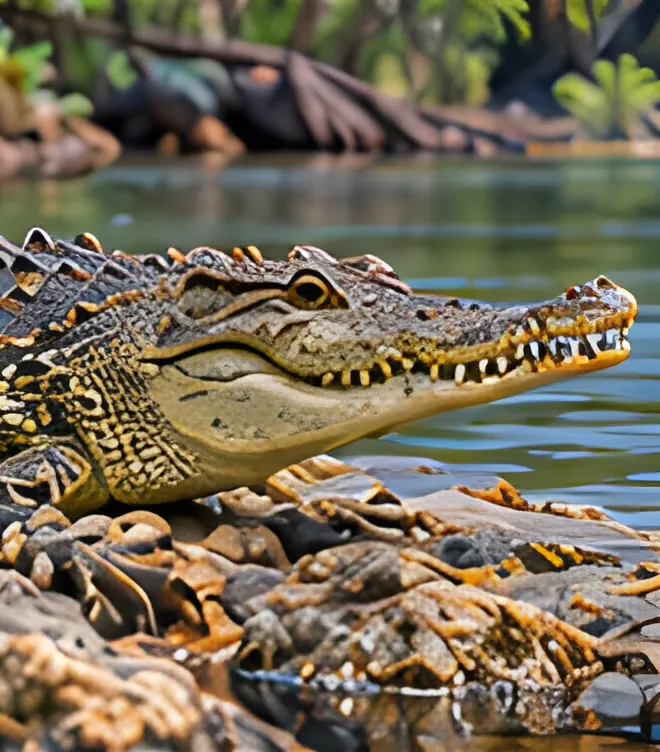
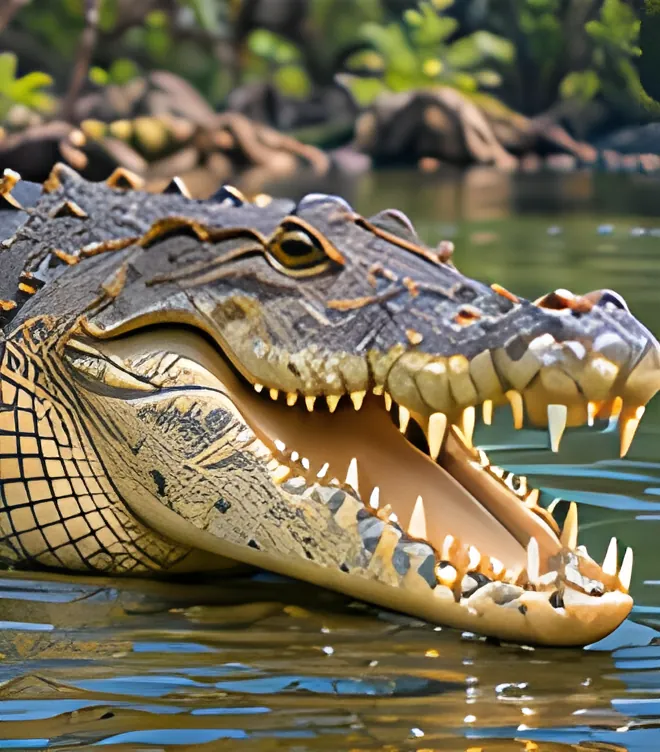
The freshwater crocodile is endemic to northern Australia. Its long, narrow snout is built for snatching fish, frogs and other small prey with a quick sideways snap, which makes it easy to tell apart from the broad-headed saltwater crocodile.
Unlike salties, freshies nest in the dry season, digging holes in sandbars and laying an average of about 13 eggs. Some populations living in food-poor upstream waters are stunted, with adults much smaller and lighter than those downstream.
Its scientific name honours Robert Arthur Johnstone, a Queensland native police officer and amateur naturalist who supplied specimens. When Gerard Krefft described it in 1873 he misspelled the name as 'johnsoni', and both spellings were used for decades before johnstoni was accepted as correct.
Freshies are not considered dangerous like salties and no human deaths are known, but they will bite if cornered or handled. The spread of poisonous cane toads has caused serious local declines in some Northern Territory populations.
Where it lives
Found only in tropical northern Australia, across northern Western Australia, the Northern Territory and Queensland. It lives mainly in freshwater rivers, creeks, billabongs and escarpment plunge pools upstream of tidal water.
Specialist keepers
Can you keep one?
Expert onlySpecialist husbandry, size or temperament. Most keepers should not take one on. Temperament: Nervous and fast; bites readily when cornered.
What you’re signing up for
- Lifespan
- 50+ years
- Adult enclosure
- Very large · Fenced pond with land area2.4 m-plus, a pond or an outdoor enclosure. Usually a custom build.
- Set-up budget
- MajorA custom enclosure, pond or room-sized setup, and often an expensive animal too.
- Routine
- Daily water and fence checks; feeding several times a week; specialist vet access.
Plan a big enclosure20+ year commitment
Plan ahead: Permit-only, outdoor, and for life: freshies can live more than 50 years.
Held only under special permits, mainly in the Northern Territory; Queensland does not allow private keeping. Freshies need a large, securely fenced pond and expert care, so check your territory or state wildlife authority.
Read the full keeper’s guide ↓
Planning a home for one? We hand-build custom backdrops, hides and ledges for Australian species.
Plan a habitat →Keeper’s guide
Keeping a Freshwater crocodile
Why keepers love them
Freshwater crocodiles can "gallop" on land, and they are much smaller and shyer than salties. Their slender snout is built for snapping up fish and insects.
They live in northern rivers and billabongs and are a key predator in the Top End and the Kimberley.
A great match if you…
- You hold, or can genuinely qualify for, the specialist permits required
- You can build a secure outdoor pond enclosure with double gates
- You have a vet and experienced help who can work with crocodilians
Think twice if you…
- You want a pet crocodile: this is a permit-only species for specialist facilities
- You live somewhere it is not allowed (Queensland does not allow private keeping)
- You cannot commit to 50-plus years of care
Before you buy
- Permits are very limited, mainly in the Northern Territory, and come with enclosure and location conditions.
- Queensland does not allow private keeping.
- They live 50+ years, so this is a lifetime commitment that may need planning beyond your own.
- Even a 1 m freshie gives a painful, tearing bite, and they move faster than most people expect.
Setting up the enclosure
- Adult enclosure
- A large outdoor pond with a land area, secure fencing, a locked double gate and a separate holding area for cleaning.
- Heat
- Warm water around 28–30 °C, with a basking bank in the sun. Southern climates need heated indoor housing in winter.
- Lighting
- Natural sun, or strong UVB and heat for any indoor housing.
- Water
- Deep enough to submerge fully, with filtration or regular draining and refilling to keep it clean.
- Furnishings
- A gently sloping bank to haul out, sandy areas to bask and dig, and plants for cover.
Figures are typical starting points for adults. Measure temperatures with a thermometer at the surface the animal sits on, run every heat source through a thermostat, and adjust to how your animal behaves.
Feeding
Fish, insects, crustaceans and small whole prey. Juveniles feed several times a week; adults once or twice a week. Feed with long tongs or into the water, never by hand.
Handling
Specialist only, and only when needed (health checks or moves), using proper restraint techniques and at least two trained people.
Advanced keeper tips
- Strong fencing and double-locking gates are essential; plan for both escape and unauthorised entry.
- Build in a shift or holding area so the pond can be cleaned without entering with the crocodile.
- Keep detailed records of weight, length and feeding; growth slows a lot after the first few years.
Health watch-list
- Skin infections from poor water quality.
- Metabolic bone disease in indoor animals without enough UVB or calcium.
- Injuries and stress from inadequate space or disturbance.
Find a reptile-experienced vet before you need one, and book a check-up soon after a new animal arrives.
Licences & the law
Kept only under special permits, mainly in the Northern Territory. Queensland does not allow private keeping.
Check your state’s current list:QLDNSWVICSAWANTTASACT
Every native reptile and frog is protected. Never take one from the wild: buy captive-bred animals from a licensed keeper, keep the paperwork, and note that Tasmania does not allow mainland reptiles to be brought into the state.
Easier species with a similar appeal
Questions people ask
Are freshwater crocodiles dangerous?
They are shy and no human deaths are known, but they can give a nasty bite if cornered or handled, so keep your distance.
How do you tell a freshwater crocodile from a saltwater crocodile?
Freshies have a long, narrow, smooth snout; salties have a much broader, heavier snout with bumps and ridges.
How big do freshwater crocodiles get?
Males usually reach up to about 3 m and females about 2 m.
Is the Freshwater crocodile a good pet for beginners?
Not really. We rate it "Expert only": Specialist husbandry, size or temperament. Most keepers should not take one on. Permits are very limited, mainly in the Northern Territory, and come with enclosure and location conditions.
How long does the Freshwater crocodile live in captivity, and how big an enclosure does it need?
Plan for about 50+ years in captivity. An adult needs a very large enclosure of about Fenced pond with land area. Permit-only, outdoor, and for life: freshies can live more than 50 years.