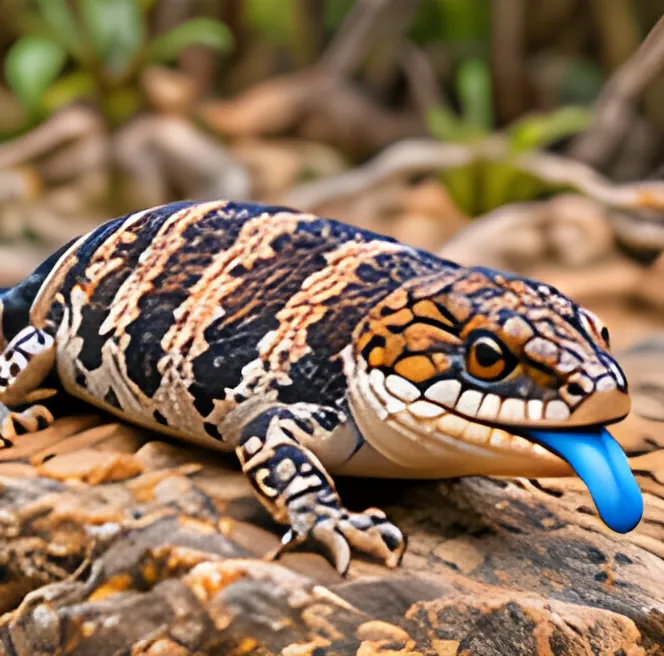
Meet the Cunningham's skink
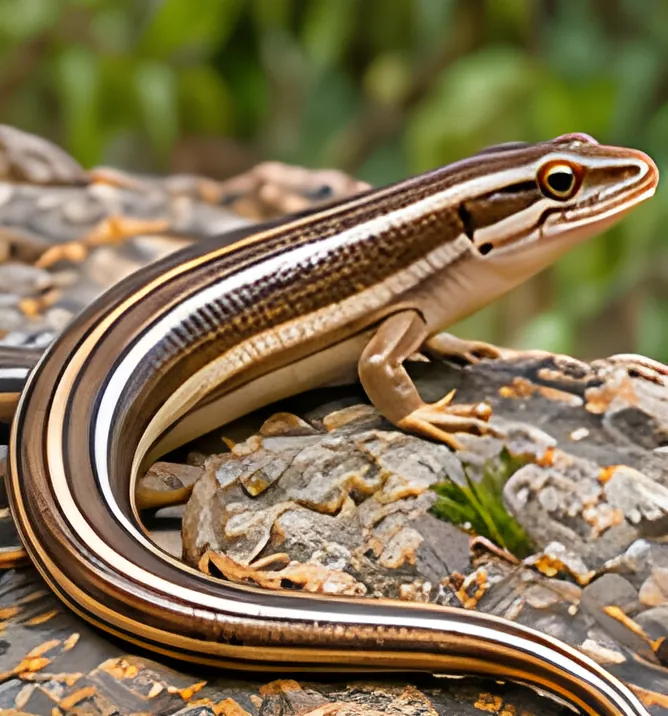
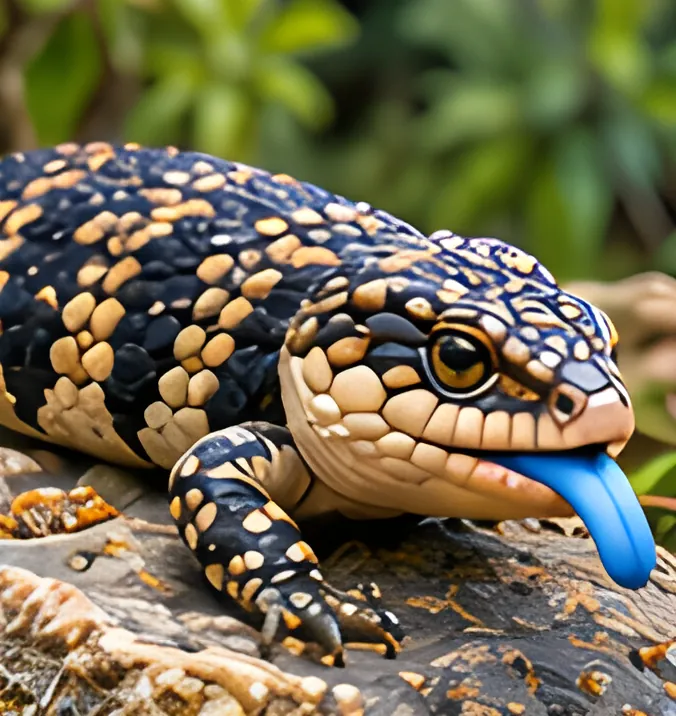
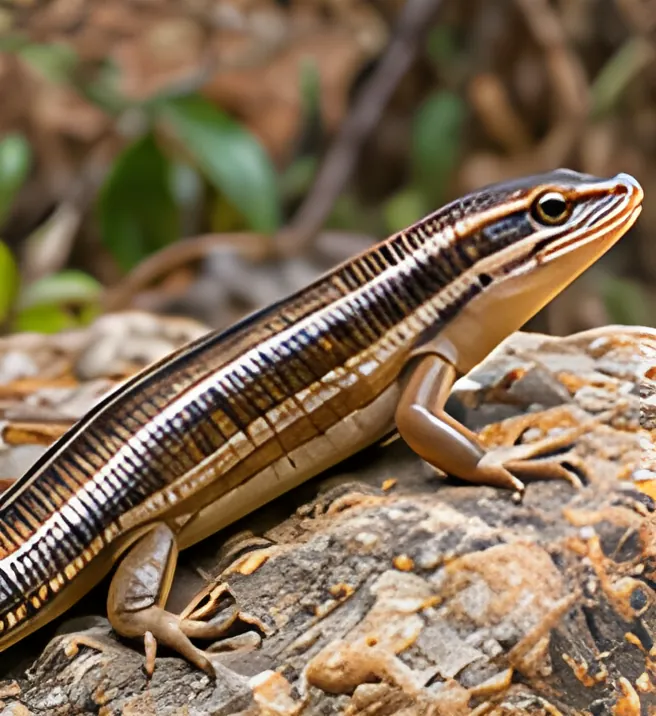
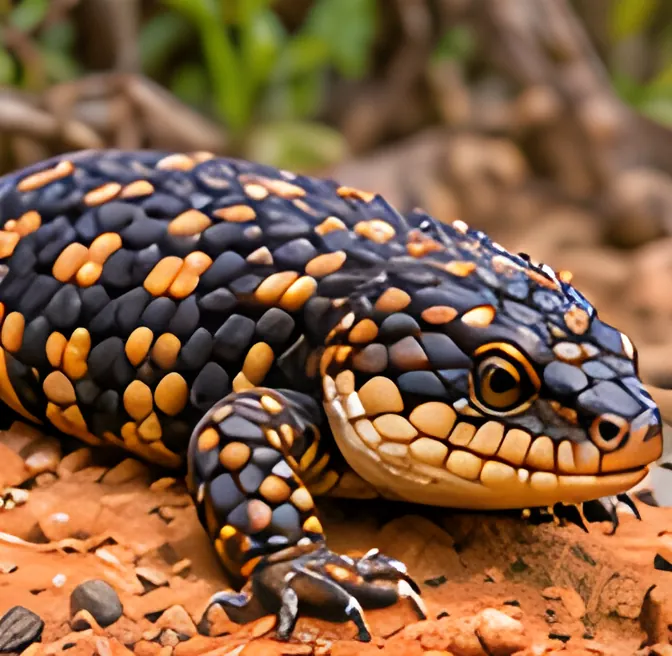
Cunningham's skink is a big, chunky lizard covered in sharply keeled scales that form spiny ridges from the neck to the tip of the tail. Colour varies with region: northern animals tend to be brown or reddish, while southern ones are darker and more strongly patterned.
When danger threatens it dashes into a rock crevice and gulps air, swelling its body so the spiny scales lock it in place. This makes it extremely hard for a predator to drag out.
These skinks are social and live in groups around rock outcrops, which means more eyes watching for predators. Females give birth to live young, from 1 to 11 per litter, and young may stay near their parents for some time. Genetic studies show the species is largely monogamous and avoids mating with close relatives.
John Edward Gray described the species in 1832 and named it after Allan Cunningham, the botanist and explorer who collected the original specimen in the Blue Mountains.
Where it lives
Temperate south-eastern Australia on both sides of the Great Dividing Range, from south-eastern Queensland through New South Wales to Victoria, with an isolated population in South Australia's Mount Lofty Ranges and Fleurieu Peninsula.
Commonly kept
Can you keep one?
Beginner with homeworkSuits a first-time keeper who does the reading and gets the setup right before the animal arrives. Temperament: Shy at first; settles well in a group.
What you’re signing up for
- Lifespan
- 15–25 years
- Adult enclosure
- Medium · 1.2 × 0.6 × 0.6 mAbout 1.2 m long: a standard 4 ft enclosure.
- Set-up budget
- ModerateA 4 ft enclosure with strong UVB, heating and thermostats.
- Routine
- Feeds a few times a week; fresh water daily; rock stacks to check for stability.
Cunningham's skinks are kept under some state wildlife licences and do well in groups with plenty of rocky hides, but check your state wildlife authority first.
Read the full keeper’s guide ↓
Planning a home for one? We hand-build custom backdrops, hides and ledges for Australian species.
Plan a habitat →Keeper’s guide
Keeping a Cunningham's skink
Why keepers love them
Cunningham's skinks are spiny rock-dwellers that live in family groups, and young often stay with their parents for a long time.
They wedge themselves into rock crevices by puffing up, so they are a great species for a rocky custom backdrop.
A great match if you…
- You want a social lizard to keep as a pair or group
- You enjoy rocky, natural setups
Think twice if you…
- You want a very handleable lizard; many prefer to hide
Before you buy
- Group housing works best with plenty of hides and basking spots. Watch for bullying.
- Adults reach about 30–40 cm long including the tail.
- They can be shy and spend a lot of time in crevices.
Setting up the enclosure
- Adult enclosure
- About 1.2 m long × 0.6 m deep × 0.6 m high for a pair.
- Heat
- A basking spot of about 35 °C, cool end about 22–25 °C.
- Lighting
- UVB across part of the enclosure.
- Humidity
- Low to moderate, with a water bowl.
- Furnishings
- Stacked rocks and crevices (secured so they cannot collapse), a rocky backdrop and multiple hides.
Figures are typical starting points for adults. Measure temperatures with a thermometer at the surface the animal sits on, run every heat source through a thermostat, and adjust to how your animal behaves.
Feeding
Insects, greens, vegetables and some fruit, with calcium.
Handling
Usually tolerate brief handling once settled.
Advanced keeper tips
- Offer several basking sites so subordinate animals can bask.
- Rock gaps the size of their bodies make them feel secure.
Health watch-list
- Metabolic bone disease: soft jaw, shaky legs or kinked spine. Caused by too little UVB, calcium or heat. Prevent it with good UVB and supplements.
- Stuck shed on toes and tail tips can cut off circulation. Raise humidity and give a rough surface to rub on.
- Mouth rot (redness, swelling or cheesy material in the mouth): see a reptile vet.
- Parasites: get a faecal check after buying and whenever weight drops.
Find a reptile-experienced vet before you need one, and book a check-up soon after a new animal arrives.
Licences & the law
Kept under standard licences in several states. Check your state.
Check your state’s current list:QLDNSWVICSAWANTTASACT
Every native reptile and frog is protected. Never take one from the wild: buy captive-bred animals from a licensed keeper, keep the paperwork, and note that Tasmania does not allow mainland reptiles to be brought into the state.
Questions people ask
Are Cunningham's skinks good pets?
They are commonly kept under state wildlife licences and suit keepers with space for a group and rocky hides; check your state's rules first.
What do Cunningham's skinks eat?
They are omnivores; juveniles eat mostly insects, while adults eat more flowers, berries, fruit and leaves along with snails and slugs.
Are Cunningham's skinks dangerous?
No. They are not venomous and are more likely to flee to a crevice than bite, though a large one can nip if handled.
Is the Cunningham's skink a good pet for beginners?
It can be, with preparation. Suits a first-time keeper who does the reading and gets the setup right before the animal arrives. Group housing works best with plenty of hides and basking spots. Watch for bullying.
How long does the Cunningham's skink live in captivity, and how big an enclosure does it need?
Plan for about 15–25 years in captivity. An adult needs a medium enclosure of about 1.2 × 0.6 × 0.6 m.